Uganda’s photography potential is wider and more diverse than the gorilla trekking photograph that represents it in most wildlife photography portfolios — the country holds the chimpanzee forests of Kibale, the Kasenyi plains game of Queen Elizabeth with lions that habitually climb fig trees, the shoebill stork of Lake Victoria’s papyrus wetlands, the Murchison Falls thundering through a 7-metre cleft in the Nile, and the highland landscapes of Kigezi that rival the East African Great Rift Valley scenery — all within a geography compact enough that a 10-day photography circuit covers all major sites without the long dead-travel days that Kenya or Tanzania require. This guide covers the primary photography locations in Uganda in the practical terms that safari photographers need: the subjects available, the light quality and direction, the optimal shooting times, the seasonal considerations, and the logistical access to each location. The gorilla encounter at Bwindi and the gorilla families are part of a wider Uganda photography circuit that this guide places in context.
Uganda Safari Photography: Key Locations
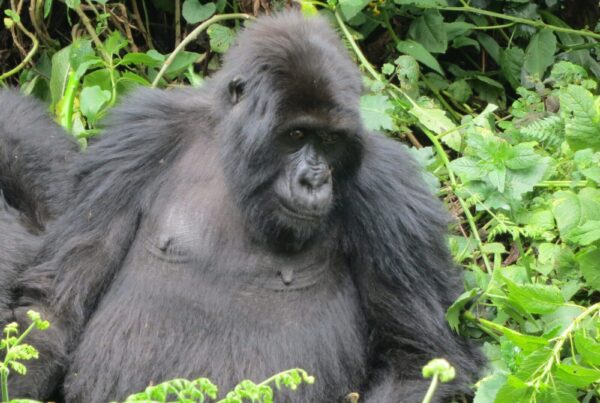
- Bwindi: Mountain gorilla portraits, forest habitat, highland landscape — best light: morning 7-10am
- Kibale Forest: Chimpanzee trekking encounters, red colobus troops, forest bird diversity
- Queen Elizabeth NP: Tree-climbing lions (Ishasha sector), hippo pools, open savannah game drives
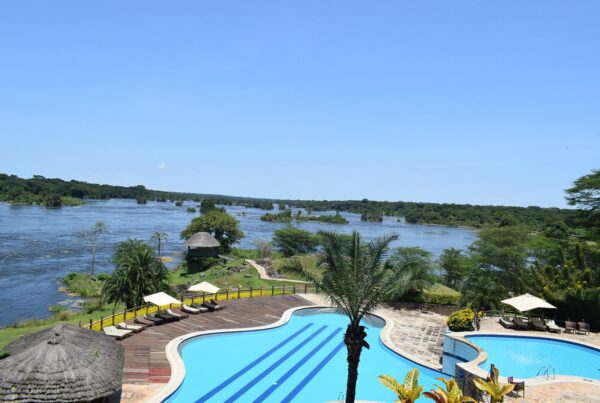
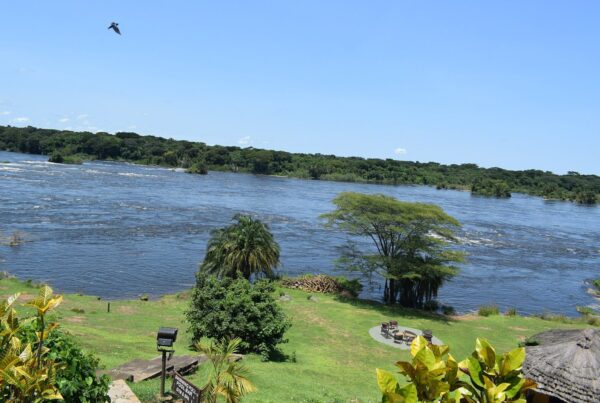
- Murchison Falls: Nile hippo and crocodile boat trips, falls dramatic landscapes, shoebill on the Delta
- Lake Victoria wetlands: Shoebill stork (canoe approach in papyrus), African jacana, painted reed frog
- Best Uganda photography season: June-August (dry season, firmest terrain, clearest light for landscape)
Uganda is a photographer’s paradise, offering an extraordinary diversity of subjects across compact, accessible landscapes. From the intimate, soul-stirring encounter with a mountain gorilla just metres away to the sweeping savannah vistas of Murchison Falls, from the vibrant chaos of Kampala’s markets to the mist-shrouded volcanoes of the Virunga range, the country delivers images that define careers and fill portfolios. But Uganda also presents unique photographic challenges: dense rainforest canopy that blocks light, fast-moving subjects that defy autofocus, and the logistical difficulties of working in remote locations. This guide covers the best photography locations in Uganda, the equipment you need, and the techniques that will help you capture memorable images in one of Africa’s most photogenic countries.
Bwindi Impenetrable Forest: The Ultimate Wildlife Portrait Challenge
Bwindi is unlike any other wildlife photography location on Earth. You are not shooting from a vehicle across an open savannah; you are on foot in dense, humid rainforest, often kneeling in mud, with a silverback gorilla staring directly into your lens from just seven metres away. The challenges are significant but so are the rewards.
Light: Bwindi’s forest canopy blocks most direct sunlight, creating dim, dappled conditions. Expect ISO settings of 1600 to 6400, even during midday. A camera with strong low-light performance is essential. Full-frame sensors handle these conditions far better than crop sensors, though modern APS-C cameras have improved dramatically.
Lenses: A fast standard zoom, 24-70mm f/2.8, is the workhorse lens for gorilla photography. The relatively close proximity means long telephotos are unnecessary and actually counterproductive. For mother-infant interactions and detailed portraits, a 70-200mm f/2.8 offers useful reach. Leave the 400mm and 600mm lenses in camp; they are too long for Bwindi’s dense environment.
Technique: Shoot in aperture priority at f/2.8 or f/4 to maximise light gathering. Use continuous autofocus with subject tracking, as gorillas move constantly, even when seemingly still. Burst mode is your friend; fire short bursts to capture subtle expression changes. The moment a juvenile plays or a silverback makes eye contact is fleeting.
Composition: Include environmental context when possible. A gorilla partially obscured by leaves or framed by forest vegetation tells a more compelling story than a tight headshot against a black background. Look for leading lines created by vines and branches that draw the viewer’s eye toward your subject.
Murchison Falls National Park: Power, Scale, and Savannah Wildlife
Murchison Falls offers three distinct photographic experiences: the falls themselves, the Nile Delta, and the savannah wildlife of the northern bank.
The Falls: The Nile forcing through a seven-metre gorge is one of Africa’s most dramatic natural spectacles. Shoot from the boat at the base for powerful wide-angle compositions that convey the falls’ scale. Then hike to the top for panoramic views. Early morning and late afternoon light creates rainbows in the spray, a classic shot that requires patience and timing. A 16-35mm wide-angle lens is ideal here, and a polarising filter helps cut through the mist and enhance colours.
Savannah Wildlife: Murchison’s northern bank supports elephants, giraffes, lions, leopards, and buffalo in classic African landscapes. The golden light of dawn and dusk transforms the savannah into a photographer’s dream. A 100-400mm or 200-600mm telephoto zoom is essential for framing distant animals. The park’s relatively open terrain means you can often isolate subjects against clean backgrounds of grassland and acacia.
Nile Delta: The boat cruise to the delta, where the Victoria Nile enters Lake Albert, offers exceptional bird photography. Shoebill storks, the holy grail of African birding, are occasionally seen here. The water-level perspective creates intimate compositions of hippos, crocodiles, and elephants at the river’s edge.
Queen Elizabeth National Park: Diversity and Unique Behaviour
Queen Elizabeth is Uganda’s most biodiverse national park, and its photographic opportunities reflect this variety.
Kazinga Channel: The boat cruise is non-negotiable for serious photographers. At water level, you are eye-to-eye with hippos, buffalo, and elephants that come to drink. The channel’s banks are alive with birdlife: African fish eagles, kingfishers, herons, and storks in abundance. A 70-200mm lens covers most situations, though a 100-400mm is useful for birds in flight.
Ishasha Tree-Climbing Lions: The southern Ishasha sector is famous for lions that rest in fig trees during the heat of the day. This unusual behaviour creates compositions unavailable anywhere else in Africa. The challenge is that the lions are often high in the canopy, backlit against bright sky. Exposure compensation and spot metering are essential. Patience is equally important; the lions may sleep for hours, and the best images capture subtle changes in posture or a suddenly opened eye.
Crater Lakes: The Katwe crater lakes offer abstract, colourful landscapes. The salt lakes’ mineral deposits create swirling patterns of white, pink, and green that are stunning from elevated viewpoints. A wide-angle lens captures the scale, while a telephoto isolates textural details.
Kibale Forest: Chimpanzees and Forest Birds
Chimpanzee photography is arguably more challenging than gorilla photography. Chimpanzees are faster, more vocal, and more unpredictable. They move rapidly through canopy and undergrowth, and their dark fur absorbs what little light penetrates the forest.
Settings: Shoot in manual mode with shutter speeds of at least 1/500 second to freeze motion. Open the aperture fully and push ISO as high as your camera allows while maintaining acceptable noise levels. Continuous autofocus with back-button focus gives you more control.
Behaviour: Chimpanzees engage in dramatic social interactions: grooming, play, disputes, and pant-hoot vocalisations that echo through the forest. The pant-hoot, a rising crescendo of calls, is a signature behaviour worth waiting for. Position yourself where backlighting might create rim lighting around the chimpanzee’s hair for a dramatic effect.
Birds: Kibale’s forest supports over 375 bird species. The Bigodi Wetland Sanctuary, adjacent to the park, offers boardwalk access to papyrus swamp habitat where great blue turacos, papyrus gonoleks, and numerous kingfishers are readily photographed. The controlled environment and predictable lighting make this an excellent location for practising forest bird photography.
Lake Bunyonyi: Landscapes and Culture
After the intensity of gorilla and chimpanzee trekking, Lake Bunyonyi offers a different photographic rhythm. The lake’s 29 islands, terraced hillsides, and traditional dugout canoes create stunning landscape compositions. Sunrise and sunset are magical, with mist rising from the water and soft light illuminating the hills.
The surrounding communities offer rich cultural photography opportunities. The Bakiga people are renowned for their terraced farming techniques, and the Batwa communities share traditional knowledge and performances. Always ask permission before photographing people, and consider purchasing prints or crafts as a gesture of appreciation.
Kidepo Valley National Park: Remote Wilderness
For photographers seeking untrammelled wilderness, Kidepo is Uganda’s best-kept secret. The Narus Valley, framed by the Morungole Mountains, offers savannah wildlife photography without the crowds of more famous parks. Lions, cheetahs, elephants, and giraffes are regularly seen, and the open grasslands allow creative use of foreground elements and leading lines.
The Kidepo Valley itself, dry for much of the year, creates stark, minimalist landscapes that reward abstract composition. The sand rivers, dead trees, and distant mountains evoke the harsh beauty of East Africa’s arid zones.
Essential Equipment for Uganda Photography
Camera body: A DSLR or mirrorless camera with strong low-light performance and weather sealing. Bring a second body if possible; changing lenses in dusty or humid conditions risks sensor contamination.
Lenses: 16-35mm f/2.8 for landscapes and falls; 24-70mm f/2.8 for gorillas and general use; 70-200mm f/2.8 for portraits and chimpanzees; 100-400mm or 200-600mm for savannah wildlife and birds. A 1.4x teleconverter extends your reach without adding excessive weight.
Accessories: Polarising filter for water and foliage; neutral density filter for long exposures at the falls; plenty of memory cards (128GB minimum); spare batteries (charging is limited in remote lodges); lens cleaning kit; rain cover for camera and lens.
Support: A lightweight carbon fibre tripod is useful for landscapes and sunrise/sunset shots. For wildlife, a bean bag provides stable support from vehicle windows.
Ethical Photography Guidelines
Always maintain the seven-metre distance from gorillas and chimpanzees. Never use flash on wildlife; it disturbs animals and produces poor results anyway. When photographing local people, ask permission and respect refusals. Do not geotag specific gorilla locations on social media, as this information could be used by poachers. Remember that your behaviour reflects on all photographers and tourists; irresponsible actions can lead to stricter regulations that affect everyone.
Final Thoughts
Uganda rewards photographers who embrace its challenges. The dim light of Bwindi’s forest, the sudden movement of chimpanzees, and the vast scale of Murchison’s savannah all demand technical skill and creative vision. But when everything comes together, when a silverback makes eye contact through the mist, when a lion yawns from its fig tree perch, when the Nile’s spray catches the dawn light, the resulting images are unlike anything else in wildlife photography. Come prepared, be patient, and Uganda will give you photographs that last a lifetime.
Frequently Asked Questions
The camera kit for a Uganda safari photography trip needs to cover two distinct shooting environments: open-air game drive photography (long telephoto, high shutter speed, subject 30-200 metres away) and forest close-encounter photography (moderate focal length, high ISO, subject 3-20 metres away in low light). The optimal two-lens kit covers both: a 70-200mm f/2.8 zoom (versatile for gorilla and chimpanzee encounters, Nile boat trips, and medium-distance game drive subjects) and a 100-400mm or 150-600mm telephoto zoom (for savannah game drives in Queen Elizabeth and Murchison where subjects are farther away). If carrying only one lens: the 100-500mm range covers the game drive well but is uncomfortably long for gorilla encounter distances of 7-15 metres — a 70-200mm is the better single lens for a gorilla-focused trip. A full-frame mirrorless body is recommended for the forest photography environments where ISO 3200-8000 is standard — the full-frame sensor produces cleaner files at these ISOs than APS-C or micro four-thirds. Practical kit management: use a Pelican case or padded dry bag for camera equipment in the vehicle (vibration on unpaved roads damages equipment in soft bags); carry a microfibre cloth for lens dust which is constant in the dry season; and bring a laptop or sufficient card storage for large file volumes from a 10-day trip (RAW + JPEG files from a 10-day intensive photography safari easily exceed 200GB). Where is the best place to photograph tree-climbing lions in Uganda? The tree-climbing lions of Uganda are found in the Ishasha sector of Queen Elizabeth National Park — the southern section of the park adjacent to the DRC border that is most commonly accessed from Bwindi (a 2-3 hour drive from the southern sectors of Bwindi, making Ishasha a natural connection between Bwindi gorilla trekking and Queen Elizabeth game drives). The Ishasha lions habitually rest and sleep in the large fig trees (Ficus natalensis) of the Ishasha plains during the day — the behaviour is documented and well-established in this population and is not found in the northern Kasenyi/Mweya sectors of Queen Elizabeth. Photography approach: the Ishasha game drives typically locate lions in trees in the late morning (after the lions have moved from overnight ground positions to resting tree positions); the best photography light is either early morning (7-9am, before the lions have settled into tree shade) or late afternoon (4-6pm, as the lions become more active); midday light is harsh and the lions are least active. A 200-400mm focal length covers the tree-lion photography at typical approach distances of 15-40 metres from vehicle to tree. Ishasha camp accommodation is limited — Ishasha Wilderness Camp is the main established option adjacent to the sector. Visit Ishasha as a standalone night or as part of a Bwindi-Ishasha-Mweya circuit that covers the full Queen Elizabeth photography range. How do you photograph the shoebill stork in Uganda? The shoebill stork is one of the most sought bird photography subjects in Africa — a prehistoric-looking bird with a huge shoe-shaped bill, approximately 1.2m tall, that stands motionless in papyrus wetlands for extended periods waiting for lungfish. Uganda has multiple accessible shoebill populations and is consistently considered the easiest country in Africa to reliably find and photograph this species. The main Uganda shoebill photography locations: Mabamba Swamp (Lake Victoria western shore, approximately 45 minutes from Entebbe) — canoe access through papyrus channels, shoebills reliably present year-round, half-day trips possible from Entebbe with local birding guides; the Nile Delta at Murchison Falls National Park (shoebill on papyrus islands in the Nile delta, accessed by boat from Paraa, approximately 2-3 hours upstream from the main Murchison boat launch). The photography approach: shoebill photography requires canoe access rather than boat (motorised boat noise disturbs the birds); local guides who know the specific papyrus channels where birds are currently positioned are essential for efficient location; approach slowly and stop the canoe at 15-25 metres for portrait photography (a 200-400mm focal length covers this distance well); the bird frequently holds position for extended periods, providing stable portrait opportunities without the tracking difficulty of active subjects; early morning light (7-9am) is the best shooting window for direction and quality. Mabamba Swamp is the most reliable and accessible Uganda shoebill photography location for visitors transiting Entebbe. What makes Kibale Forest a good photography destination beyond chimpanzees? Kibale Forest National Park offers photography subjects beyond the chimpanzee trekking encounter that make it one of Uganda’s richest multi-subject photography locations. The red colobus troop photography at Kibale is among the best in East Africa — troops of 30-100 individuals move through the canopy near the Kanyanchu visitor centre at regular intervals, providing full-light canopy photography of active primates that the forest-interior gorilla encounter does not replicate. Kibale holds 13 primate species total, including grey-cheeked mangabeys and L’Hoest’s monkeys as well as the habituated chimpanzee community. The forest edge and savannah-forest mosaic at the Bigodi Wetland Sanctuary (adjacent to Kibale, managed by Kibale Association for Rural and Environmental Development) holds excellent bird photography subjects including the papyrus yellow warbler and the African broadbill, accessible on a 3-4km walking circuit. For landscape photography: the crater lake complex near Fort Portal (Lakes Nkuruba, Nyinambuga, and Nyamirima) within a 30-minute drive of Kibale provides highland crater lake landscapes in a volcanic landscape that is unique in Uganda. The morning fog that fills the Fort Portal valley and crater depressions creates atmospheric landscape photography conditions during the March-May and September-November wet season periods that the dry season’s clearer but harsher light does not produce. What are the best landscape photography opportunities in Uganda? Uganda’s landscape photography is underrepresented in the wildlife photography portfolio that dominates the country’s photographic identity — the country’s highland topography, volcanic crater lakes, rift valley escarpments, and ancient forest landscapes produce images as visually compelling as the wildlife, and they are accessible without permits or specialised logistics. The primary landscape photography locations: the Kigezi highlands (the landscape surrounding Bwindi — rolling hills of terraced agriculture interspersed with remaining forest patches; best photography light at dawn and dusk from elevated positions near the sector lodges); the Queen Elizabeth rift valley panorama (the Kazinga Channel area with the Rwenzori Mountains visible on clear mornings — the Rwenzoris are cloud-covered most days but produce dramatic clear views after dry-season rains); Murchison Falls itself (the 7-metre cleft waterfall where the Victoria Nile forces through — one of Africa’s most dramatic water photographs; best light in the mid-morning after the backlit dawn sunrise position; accessible by short walk from the top-of-falls parking area); Lake Bunyonyi (the crater lake southwest of Kabale — multiple small islands, dugout canoe foreground elements, mist on the water at dawn; a genuine landscape photography location in its own right that most gorilla trekking itineraries pass adjacent to without stopping). The Albertine Rift escarpment views from elevated roads in western Uganda — particularly the Kasese-Fort Portal road — produce dramatic rift valley landscapes on clear mornings that rival any East African rift scenery. Plan your Uganda photography safari Bwindi Sector Guide — gorilla encounter photography locations at each sector Uganda Gorilla Families — family characters that shape the photography encounter Gorilla Permit Guide — book the permit that anchors the photography circuit Full Safari Cost Guide — Uganda photography safari budget including specialist guide fees Safari Itineraries — Uganda photography circuit itineraries covering gorilla, chimp, game drive, and birding Further Reading Best Wildlife Photography Tips for Uganda Safari Visitors Black & White Photography Techniques to Try on a Gorilla Safari How to Take the Best Gorilla Trekking Photos: Photography Tips Best Uganda Safari Books to Read Before You Go First Safari? Why Uganda in 2026 Is the Best Decision You’ll Ever Make The 5 Best Gorilla Safari Instagram Accounts You Should Be Following Hippo Watching Uganda: Best Spots for Dramatic Water Encounters Best Wildlife Watching Spots in Uganda: Ranked by Species Richness Uganda’s Butterflies: 1240 Species and the Best Spots to Find Them Best Restaurants in Entebbe: Where to Eat Before or After Safari <
The tree-climbing lions of Uganda are found in the Ishasha sector of Queen Elizabeth National Park — the southern section of the park adjacent to the DRC border that is most commonly accessed from Bwindi (a 2-3 hour drive from the southern sectors of Bwindi, making Ishasha a natural connection between Bwindi gorilla trekking and Queen Elizabeth game drives). The Ishasha lions habitually rest and sleep in the large fig trees (Ficus natalensis) of the Ishasha plains during the day — the behaviour is documented and well-established in this population and is not found in the northern Kasenyi/Mweya sectors of Queen Elizabeth. Photography approach: the Ishasha game drives typically locate lions in trees in the late morning (after the lions have moved from overnight ground positions to resting tree positions); the best photography light is either early morning (7-9am, before the lions have settled into tree shade) or late afternoon (4-6pm, as the lions become more active); midday light is harsh and the lions are least active. A 200-400mm focal length covers the tree-lion photography at typical approach distances of 15-40 metres from vehicle to tree. Ishasha camp accommodation is limited — Ishasha Wilderness Camp is the main established option adjacent to the sector. Visit Ishasha as a standalone night or as part of a Bwindi-Ishasha-Mweya circuit that covers the full Queen Elizabeth photography range. How do you photograph the shoebill stork in Uganda? The shoebill stork is one of the most sought bird photography subjects in Africa — a prehistoric-looking bird with a huge shoe-shaped bill, approximately 1.2m tall, that stands motionless in papyrus wetlands for extended periods waiting for lungfish. Uganda has multiple accessible shoebill populations and is consistently considered the easiest country in Africa to reliably find and photograph this species. The main Uganda shoebill photography locations: Mabamba Swamp (Lake Victoria western shore, approximately 45 minutes from Entebbe) — canoe access through papyrus channels, shoebills reliably present year-round, half-day trips possible from Entebbe with local birding guides; the Nile Delta at Murchison Falls National Park (shoebill on papyrus islands in the Nile delta, accessed by boat from Paraa, approximately 2-3 hours upstream from the main Murchison boat launch). The photography approach: shoebill photography requires canoe access rather than boat (motorised boat noise disturbs the birds); local guides who know the specific papyrus channels where birds are currently positioned are essential for efficient location; approach slowly and stop the canoe at 15-25 metres for portrait photography (a 200-400mm focal length covers this distance well); the bird frequently holds position for extended periods, providing stable portrait opportunities without the tracking difficulty of active subjects; early morning light (7-9am) is the best shooting window for direction and quality. Mabamba Swamp is the most reliable and accessible Uganda shoebill photography location for visitors transiting Entebbe. What makes Kibale Forest a good photography destination beyond chimpanzees? Kibale Forest National Park offers photography subjects beyond the chimpanzee trekking encounter that make it one of Uganda’s richest multi-subject photography locations. The red colobus troop photography at Kibale is among the best in East Africa — troops of 30-100 individuals move through the canopy near the Kanyanchu visitor centre at regular intervals, providing full-light canopy photography of active primates that the forest-interior gorilla encounter does not replicate. Kibale holds 13 primate species total, including grey-cheeked mangabeys and L’Hoest’s monkeys as well as the habituated chimpanzee community. The forest edge and savannah-forest mosaic at the Bigodi Wetland Sanctuary (adjacent to Kibale, managed by Kibale Association for Rural and Environmental Development) holds excellent bird photography subjects including the papyrus yellow warbler and the African broadbill, accessible on a 3-4km walking circuit. For landscape photography: the crater lake complex near Fort Portal (Lakes Nkuruba, Nyinambuga, and Nyamirima) within a 30-minute drive of Kibale provides highland crater lake landscapes in a volcanic landscape that is unique in Uganda. The morning fog that fills the Fort Portal valley and crater depressions creates atmospheric landscape photography conditions during the March-May and September-November wet season periods that the dry season’s clearer but harsher light does not produce. What are the best landscape photography opportunities in Uganda? Uganda’s landscape photography is underrepresented in the wildlife photography portfolio that dominates the country’s photographic identity — the country’s highland topography, volcanic crater lakes, rift valley escarpments, and ancient forest landscapes produce images as visually compelling as the wildlife, and they are accessible without permits or specialised logistics. The primary landscape photography locations: the Kigezi highlands (the landscape surrounding Bwindi — rolling hills of terraced agriculture interspersed with remaining forest patches; best photography light at dawn and dusk from elevated positions near the sector lodges); the Queen Elizabeth rift valley panorama (the Kazinga Channel area with the Rwenzori Mountains visible on clear mornings — the Rwenzoris are cloud-covered most days but produce dramatic clear views after dry-season rains); Murchison Falls itself (the 7-metre cleft waterfall where the Victoria Nile forces through — one of Africa’s most dramatic water photographs; best light in the mid-morning after the backlit dawn sunrise position; accessible by short walk from the top-of-falls parking area); Lake Bunyonyi (the crater lake southwest of Kabale — multiple small islands, dugout canoe foreground elements, mist on the water at dawn; a genuine landscape photography location in its own right that most gorilla trekking itineraries pass adjacent to without stopping). The Albertine Rift escarpment views from elevated roads in western Uganda — particularly the Kasese-Fort Portal road — produce dramatic rift valley landscapes on clear mornings that rival any East African rift scenery. Plan your Uganda photography safari Bwindi Sector Guide — gorilla encounter photography locations at each sector Uganda Gorilla Families — family characters that shape the photography encounter Gorilla Permit Guide — book the permit that anchors the photography circuit Full Safari Cost Guide — Uganda photography safari budget including specialist guide fees Safari Itineraries — Uganda photography circuit itineraries covering gorilla, chimp, game drive, and birding Further Reading Best Wildlife Photography Tips for Uganda Safari Visitors Black & White Photography Techniques to Try on a Gorilla Safari How to Take the Best Gorilla Trekking Photos: Photography Tips Best Uganda Safari Books to Read Before You Go First Safari? Why Uganda in 2026 Is the Best Decision You’ll Ever Make The 5 Best Gorilla Safari Instagram Accounts You Should Be Following Hippo Watching Uganda: Best Spots for Dramatic Water Encounters Best Wildlife Watching Spots in Uganda: Ranked by Species Richness Uganda’s Butterflies: 1240 Species and the Best Spots to Find Them Best Restaurants in Entebbe: Where to Eat Before or After Safari <
The shoebill stork is one of the most sought bird photography subjects in Africa — a prehistoric-looking bird with a huge shoe-shaped bill, approximately 1.2m tall, that stands motionless in papyrus wetlands for extended periods waiting for lungfish. Uganda has multiple accessible shoebill populations and is consistently considered the easiest country in Africa to reliably find and photograph this species. The main Uganda shoebill photography locations: Mabamba Swamp (Lake Victoria western shore, approximately 45 minutes from Entebbe) — canoe access through papyrus channels, shoebills reliably present year-round, half-day trips possible from Entebbe with local birding guides; the Nile Delta at Murchison Falls National Park (shoebill on papyrus islands in the Nile delta, accessed by boat from Paraa, approximately 2-3 hours upstream from the main Murchison boat launch). The photography approach: shoebill photography requires canoe access rather than boat (motorised boat noise disturbs the birds); local guides who know the specific papyrus channels where birds are currently positioned are essential for efficient location; approach slowly and stop the canoe at 15-25 metres for portrait photography (a 200-400mm focal length covers this distance well); the bird frequently holds position for extended periods, providing stable portrait opportunities without the tracking difficulty of active subjects; early morning light (7-9am) is the best shooting window for direction and quality. Mabamba Swamp is the most reliable and accessible Uganda shoebill photography location for visitors transiting Entebbe. What makes Kibale Forest a good photography destination beyond chimpanzees? Kibale Forest National Park offers photography subjects beyond the chimpanzee trekking encounter that make it one of Uganda’s richest multi-subject photography locations. The red colobus troop photography at Kibale is among the best in East Africa — troops of 30-100 individuals move through the canopy near the Kanyanchu visitor centre at regular intervals, providing full-light canopy photography of active primates that the forest-interior gorilla encounter does not replicate. Kibale holds 13 primate species total, including grey-cheeked mangabeys and L’Hoest’s monkeys as well as the habituated chimpanzee community. The forest edge and savannah-forest mosaic at the Bigodi Wetland Sanctuary (adjacent to Kibale, managed by Kibale Association for Rural and Environmental Development) holds excellent bird photography subjects including the papyrus yellow warbler and the African broadbill, accessible on a 3-4km walking circuit. For landscape photography: the crater lake complex near Fort Portal (Lakes Nkuruba, Nyinambuga, and Nyamirima) within a 30-minute drive of Kibale provides highland crater lake landscapes in a volcanic landscape that is unique in Uganda. The morning fog that fills the Fort Portal valley and crater depressions creates atmospheric landscape photography conditions during the March-May and September-November wet season periods that the dry season’s clearer but harsher light does not produce. What are the best landscape photography opportunities in Uganda? Uganda’s landscape photography is underrepresented in the wildlife photography portfolio that dominates the country’s photographic identity — the country’s highland topography, volcanic crater lakes, rift valley escarpments, and ancient forest landscapes produce images as visually compelling as the wildlife, and they are accessible without permits or specialised logistics. The primary landscape photography locations: the Kigezi highlands (the landscape surrounding Bwindi — rolling hills of terraced agriculture interspersed with remaining forest patches; best photography light at dawn and dusk from elevated positions near the sector lodges); the Queen Elizabeth rift valley panorama (the Kazinga Channel area with the Rwenzori Mountains visible on clear mornings — the Rwenzoris are cloud-covered most days but produce dramatic clear views after dry-season rains); Murchison Falls itself (the 7-metre cleft waterfall where the Victoria Nile forces through — one of Africa’s most dramatic water photographs; best light in the mid-morning after the backlit dawn sunrise position; accessible by short walk from the top-of-falls parking area); Lake Bunyonyi (the crater lake southwest of Kabale — multiple small islands, dugout canoe foreground elements, mist on the water at dawn; a genuine landscape photography location in its own right that most gorilla trekking itineraries pass adjacent to without stopping). The Albertine Rift escarpment views from elevated roads in western Uganda — particularly the Kasese-Fort Portal road — produce dramatic rift valley landscapes on clear mornings that rival any East African rift scenery. Plan your Uganda photography safari Bwindi Sector Guide — gorilla encounter photography locations at each sector Uganda Gorilla Families — family characters that shape the photography encounter Gorilla Permit Guide — book the permit that anchors the photography circuit Full Safari Cost Guide — Uganda photography safari budget including specialist guide fees Safari Itineraries — Uganda photography circuit itineraries covering gorilla, chimp, game drive, and birding Further Reading Best Wildlife Photography Tips for Uganda Safari Visitors Black & White Photography Techniques to Try on a Gorilla Safari How to Take the Best Gorilla Trekking Photos: Photography Tips Best Uganda Safari Books to Read Before You Go First Safari? Why Uganda in 2026 Is the Best Decision You’ll Ever Make The 5 Best Gorilla Safari Instagram Accounts You Should Be Following Hippo Watching Uganda: Best Spots for Dramatic Water Encounters Best Wildlife Watching Spots in Uganda: Ranked by Species Richness Uganda’s Butterflies: 1240 Species and the Best Spots to Find Them Best Restaurants in Entebbe: Where to Eat Before or After Safari <
Kibale Forest National Park offers photography subjects beyond the chimpanzee trekking encounter that make it one of Uganda’s richest multi-subject photography locations. The red colobus troop photography at Kibale is among the best in East Africa — troops of 30-100 individuals move through the canopy near the Kanyanchu visitor centre at regular intervals, providing full-light canopy photography of active primates that the forest-interior gorilla encounter does not replicate. Kibale holds 13 primate species total, including grey-cheeked mangabeys and L’Hoest’s monkeys as well as the habituated chimpanzee community. The forest edge and savannah-forest mosaic at the Bigodi Wetland Sanctuary (adjacent to Kibale, managed by Kibale Association for Rural and Environmental Development) holds excellent bird photography subjects including the papyrus yellow warbler and the African broadbill, accessible on a 3-4km walking circuit. For landscape photography: the crater lake complex near Fort Portal (Lakes Nkuruba, Nyinambuga, and Nyamirima) within a 30-minute drive of Kibale provides highland crater lake landscapes in a volcanic landscape that is unique in Uganda. The morning fog that fills the Fort Portal valley and crater depressions creates atmospheric landscape photography conditions during the March-May and September-November wet season periods that the dry season’s clearer but harsher light does not produce. What are the best landscape photography opportunities in Uganda? Uganda’s landscape photography is underrepresented in the wildlife photography portfolio that dominates the country’s photographic identity — the country’s highland topography, volcanic crater lakes, rift valley escarpments, and ancient forest landscapes produce images as visually compelling as the wildlife, and they are accessible without permits or specialised logistics. The primary landscape photography locations: the Kigezi highlands (the landscape surrounding Bwindi — rolling hills of terraced agriculture interspersed with remaining forest patches; best photography light at dawn and dusk from elevated positions near the sector lodges); the Queen Elizabeth rift valley panorama (the Kazinga Channel area with the Rwenzori Mountains visible on clear mornings — the Rwenzoris are cloud-covered most days but produce dramatic clear views after dry-season rains); Murchison Falls itself (the 7-metre cleft waterfall where the Victoria Nile forces through — one of Africa’s most dramatic water photographs; best light in the mid-morning after the backlit dawn sunrise position; accessible by short walk from the top-of-falls parking area); Lake Bunyonyi (the crater lake southwest of Kabale — multiple small islands, dugout canoe foreground elements, mist on the water at dawn; a genuine landscape photography location in its own right that most gorilla trekking itineraries pass adjacent to without stopping). The Albertine Rift escarpment views from elevated roads in western Uganda — particularly the Kasese-Fort Portal road — produce dramatic rift valley landscapes on clear mornings that rival any East African rift scenery. Plan your Uganda photography safari Bwindi Sector Guide — gorilla encounter photography locations at each sector Uganda Gorilla Families — family characters that shape the photography encounter Gorilla Permit Guide — book the permit that anchors the photography circuit Full Safari Cost Guide — Uganda photography safari budget including specialist guide fees Safari Itineraries — Uganda photography circuit itineraries covering gorilla, chimp, game drive, and birding Further Reading Best Wildlife Photography Tips for Uganda Safari Visitors Black & White Photography Techniques to Try on a Gorilla Safari How to Take the Best Gorilla Trekking Photos: Photography Tips Best Uganda Safari Books to Read Before You Go First Safari? Why Uganda in 2026 Is the Best Decision You’ll Ever Make The 5 Best Gorilla Safari Instagram Accounts You Should Be Following Hippo Watching Uganda: Best Spots for Dramatic Water Encounters Best Wildlife Watching Spots in Uganda: Ranked by Species Richness Uganda’s Butterflies: 1240 Species and the Best Spots to Find Them Best Restaurants in Entebbe: Where to Eat Before or After Safari <
Uganda’s landscape photography is underrepresented in the wildlife photography portfolio that dominates the country’s photographic identity — the country’s highland topography, volcanic crater lakes, rift valley escarpments, and ancient forest landscapes produce images as visually compelling as the wildlife, and they are accessible without permits or specialised logistics. The primary landscape photography locations: the Kigezi highlands (the landscape surrounding Bwindi — rolling hills of terraced agriculture interspersed with remaining forest patches; best photography light at dawn and dusk from elevated positions near the sector lodges); the Queen Elizabeth rift valley panorama (the Kazinga Channel area with the Rwenzori Mountains visible on clear mornings — the Rwenzoris are cloud-covered most days but produce dramatic clear views after dry-season rains); Murchison Falls itself (the 7-metre cleft waterfall where the Victoria Nile forces through — one of Africa’s most dramatic water photographs; best light in the mid-morning after the backlit dawn sunrise position; accessible by short walk from the top-of-falls parking area); Lake Bunyonyi (the crater lake southwest of Kabale — multiple small islands, dugout canoe foreground elements, mist on the water at dawn; a genuine landscape photography location in its own right that most gorilla trekking itineraries pass adjacent to without stopping). The Albertine Rift escarpment views from elevated roads in western Uganda — particularly the Kasese-Fort Portal road — produce dramatic rift valley landscapes on clear mornings that rival any East African rift scenery. Plan your Uganda photography safari Bwindi Sector Guide — gorilla encounter photography locations at each sector Uganda Gorilla Families — family characters that shape the photography encounter Gorilla Permit Guide — book the permit that anchors the photography circuit Full Safari Cost Guide — Uganda photography safari budget including specialist guide fees Safari Itineraries — Uganda photography circuit itineraries covering gorilla, chimp, game drive, and birding Further Reading Best Wildlife Photography Tips for Uganda Safari Visitors Black & White Photography Techniques to Try on a Gorilla Safari How to Take the Best Gorilla Trekking Photos: Photography Tips Best Uganda Safari Books to Read Before You Go First Safari? Why Uganda in 2026 Is the Best Decision You’ll Ever Make The 5 Best Gorilla Safari Instagram Accounts You Should Be Following Hippo Watching Uganda: Best Spots for Dramatic Water Encounters Best Wildlife Watching Spots in Uganda: Ranked by Species Richness Uganda’s Butterflies: 1240 Species and the Best Spots to Find Them Best Restaurants in Entebbe: Where to Eat Before or After Safari <