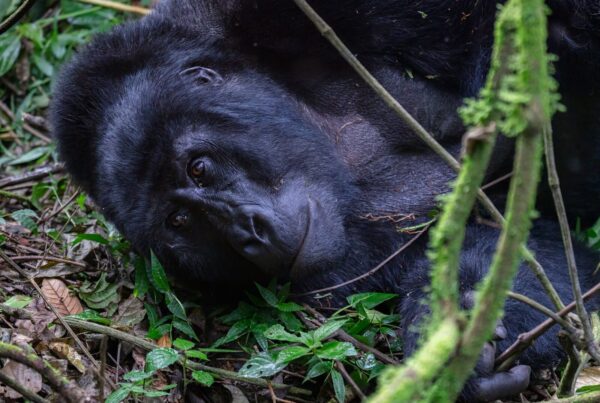
Every gorilla trekking permit in Uganda is an act of conservation — the USD 800 you pay to Uganda Wildlife Authority funds ranger salaries, anti-poaching operations, habituation research, veterinary services, and the Revenue Sharing Scheme that gives the communities adjacent to Bwindi a direct economic stake in the gorilla population’s survival — and yet most gorilla trekking visitors arrive with only a general understanding of this, without the specific knowledge of how the funding flows, what it buys, and how the conservation model actually works that would make the connection between their permit payment and the gorilla family’s continued existence concrete rather than abstract. This guide is for visitors who want to understand and engage with the conservation story behind the gorilla trekking encounter at the level of specificity that the standard visitor briefing does not provide: the population numbers, the ranger operation economics, the disease surveillance system, the community partnership mechanisms, and the remaining challenges that mean the mountain gorilla’s recovery is real but not finished. For the permit logistics, see the permit guide.
The Conservation Story at Bwindi: Key Numbers
- Population 1981: ~242 mountain gorillas (Virunga census, near-extinction crisis) — Bwindi not yet systematically counted
- Population 2024: Over 1,000 mountain gorillas across Virunga + Bwindi — the only great ape to be downlisted (Critically Endangered to Endangered, 2018)
- Habituated families at Bwindi: 21+ — each requiring a dedicated daily ranger team at ~USD 60,000/year per family operating cost
- Revenue Sharing return: 20% of UWA national park entry fees to border communities — tens of millions of dollars since the programme began
- Gorilla veterinary interventions: The Mountain Gorilla Veterinary Project has performed 100+ interventions on wild gorillas since 1986
- Conservation status: Endangered (not safe) — a population of 1,000 in a restricted range remains vulnerable; the work continues
Every gorilla trekking permit in Uganda is an act of conservation. The $800 USD you pay to Uganda Wildlife Authority funds ranger salaries, anti-poaching operations, habitat protection, and community benefit programmes that make mountain gorilla conservation economically viable and locally supported. This is not marketing language — it is the mechanism by which a species that was heading toward extinction in the 1980s has tripled its population to over 1,000 individuals by 2027. This guide explains how gorilla trekking tourism works as conservation, and how to deepen your conservation impact beyond the permit itself.
The Mountain Gorilla Recovery Story
In 1981, the mountain gorilla population was estimated at 254 individuals. They were heading toward extinction under pressure from habitat loss, poaching, and civil conflict across their range in Uganda, Rwanda, and DRC. The conservation response — a combination of intense anti-poaching effort, habituation for research and tourism, community benefit programmes, and international funding — reversed the trend. By 2018, the population exceeded 1,000 for the first time since surveying began. By 2027 the population stands above 1,060, spread across Bwindi Impenetrable NP (Uganda), Mgahinga Gorilla NP (Uganda/DRC/Rwanda border), and Volcanoes NP (Rwanda).
This is one of the most significant conservation success stories in Africa. It happened because tourism revenue made conservation economically competitive with the alternatives (farming, logging, charcoal production). The $800 permit price is not an arbitrary luxury charge — it is a conservation mechanism. Without it, the financial case for protecting Bwindi collapses and the pressures on the habitat return.
How Your $800 Permit Is Allocated
Uganda Wildlife Authority distributes gorilla trekking permit revenue across several categories: park management and operations (ranger salaries, vehicle maintenance, patrol equipment), conservation research (population monitoring, veterinary care for habituated groups), community revenue sharing (20 percent of all gate revenues by Ugandan law goes to communities adjacent to national parks), and UWA institutional capacity. The specific allocation percentages are published in UWA annual reports and reviewed periodically. The community revenue sharing element is particularly significant for reducing human-wildlife conflict: communities that benefit financially from park tourism have reduced incentive for encroachment and poaching.
The Habituation Process: Tourism as Research Tool
Mountain gorilla habituation — the process by which wild gorillas are gradually accustomed to human presence — takes approximately two years per gorilla family. It is conducted by researchers and rangers who visit the family daily, remaining at a distance that gradually decreases as the gorillas become comfortable with human observers. The Gorilla Habituation Experience (GHEX) permit ($1,800 USD for FNR) funds this process: it brings conservation tourists into the habituation process as participants, generating revenue that pays for the habituators’ salaries and equipment while giving tourists access to a more extended, intimate gorilla encounter. The GHEX is conservation tourism in its most direct form.
Community Conservation: The Adjacent Human Story
The communities bordering Bwindi — Batwa, Bakiga, Bafumbira, and other groups — have lived alongside the forest for generations. The Batwa are the original forest-dwelling people who were displaced when Bwindi was gazetted as a national park in 1991. Their displacement without adequate compensation or alternative livelihood support is a historical injustice that the conservation sector has been working to address over the past two decades. The Batwa Trail (near Rushaga sector), run by the Bwindi Community Hospital’s Batwa Development Programme, is one of the primary instruments for Batwa livelihood support — Batwa guides lead visitors into the forest on a cultural experience that generates income distributed directly to Batwa community members. The porter hire system is a second direct livelihood channel: porters are community members from villages adjacent to each sector, and porter hire fees go directly to them.
Hiring a porter ($15 plus $10 to $20 tip) is a conservation act as well as a practical one. It keeps money inside the communities that live alongside the park and that have the most direct power to either protect or threaten the habitat.
Choosing Conservation-Aligned Operators
Not all gorilla trekking operators contribute equally to local conservation. The questions to ask when selecting an operator: What percentage of your guides and staff are local community members? Do you contribute to any specific conservation or community funds beyond the UWA permit revenue? What is your policy on community accommodation and dining versus importing all services? Do you support any specific conservation research organisations working in Bwindi?
Operators who employ local guides, buy local produce, and contribute to community funds generate a conservation multiplier effect beyond the UWA permit revenue. The per-person economic impact of a well-managed gorilla trekking visit — permit revenue, community accommodation spend, local porter and guide employment, local food purchase — can reach $300 to $500 per visitor per day in the Bwindi community economy, far exceeding the UWA revenue allocation alone.
Veterinary Conservation: The Mountain Gorilla Health Programme
The Mountain Gorilla Veterinary Project (MGVP), now operating as Gorilla Doctors, provides veterinary care for habituated mountain gorilla groups across Uganda, Rwanda, and DRC. When a habituated gorilla is injured (snares are the primary cause) or develops a respiratory illness, Gorilla Doctors vets intervene. The programme has conducted hundreds of life-saving interventions since 1986 and is considered a significant contributor to population growth. Gorilla Doctors is funded by donations and conservation tourism revenue. Travellers who want to support the specific veterinary programme can donate directly at gorilladoctors.org.
The Broader Conservation Landscape
Mountain gorillas share their range with eastern chimpanzees, forest elephants, golden monkeys, L’Hoest’s monkeys, and hundreds of endemic bird and plant species. Bwindi’s designation as a UNESCO World Heritage Site is based not on the gorillas alone but on the total biodiversity of the Afromontane forest ecosystem. Protecting the gorillas protects the entire ecosystem. This is the conservation umbrella species principle: a charismatic animal with strong public and tourism support funds the broader habitat and biodiversity protection that all forest species depend on.
Climate change is an emerging threat to mountain gorilla habitat. Forest extent, temperature patterns, and rainfall seasonality are all changing across the Albertine Rift. UWA and partner conservation organisations are monitoring these changes and integrating climate adaptation into conservation planning. Long-term mountain gorilla conservation will require both continued anti-poaching and community engagement programmes and adaptation to changing climate conditions.
How to Deepen Your Conservation Impact
The permit is the baseline. Beyond it: hire a porter (direct community livelihood). Eat at community restaurants when appropriate (local economic multiplier). Book through a community-engaged operator (local employment and procurement). Visit the Batwa Trail (direct Batwa livelihood support). Donate to Gorilla Doctors if veterinary conservation appeals to you. Consider the GHEX permit ($1,800) which funds the habituation process directly. Write reviews of your experience on TripAdvisor and Google — positive, detailed reviews of responsible operators improve their visibility and their ability to compete against operators who are less conservation-oriented.
We are a conservation-aligned operator. Our guides are Ugandan, our accommodation partners are locally owned, and we contribute to community fund programmes in the Bwindi area. When you book gorilla trekking through us in 2027, you will have full transparency on how your spending reaches local communities and conservation programmes. Contact us with your dates and we will build an itinerary that maximises both your experience and your conservation impact.
Frequently Asked Questions
The USD 800 gorilla trekking permit funds conservation through the Uganda Wildlife Authority budget that it enters — a budget that pays for the ranger force responsible for daily gorilla family monitoring and protection, the anti-poaching operations along Bwindi’s 128km boundary, the gorilla veterinary programme that provides medical intervention for injured and ill gorillas, and the research infrastructure (including the GPS and data systems that support daily family tracking). The specific operational costs funded by permit revenue: each of Bwindi’s 21+ habituated gorilla families requires a daily tracker team (typically 2-3 rangers per family) for 365 days per year, at a combined salary and operational cost of approximately USD 50,000-70,000 per family per year. With 21+ families, the ranger operation cost for Bwindi alone is approximately USD 1-1.5 million per year — a cost that the permit revenue must cover alongside the UWA’s broader national park operations. The 20% Revenue Sharing allocation to border communities is an additional conservation investment: community members with schools, clinics, and income linked to the tourism system have a direct stake in the gorilla population’s continued survival that translates to reduced poaching and crop-raiding conflict tolerance. The permit is not charity — it is the financial foundation of an operating conservation system. What are the biggest remaining threats to mountain gorillas? The mountain gorilla’s downlisting from Critically Endangered to Endangered in 2018 reflects real progress but not conservation completion — the remaining threats are specific and serious. Disease: respiratory illness transmitted from humans to gorillas is consistently identified as the most significant ongoing threat to habituated families; a single respiratory epidemic in a habituated group can kill multiple individuals rapidly, and the COVID-19 pandemic closed Bwindi to visitors for over a year specifically because of the documented transmission risk of SARS-CoV-2 to great apes. Political instability in DRC: approximately 40% of the total mountain gorilla population lives in the Virunga mountains, partly in the DRC’s Virunga National Park — ongoing armed conflict in North Kivu has repeatedly forced park closure, reduced ranger capacity, and increased poaching pressure in the DRC portion of the Virunga range. Climate change: changes in the highland forest microclimate, bamboo fruiting seasonality, and rainfall patterns in the Albertine Rift are documented and are beginning to affect gorilla ranging patterns and food availability in ways that are not yet fully understood. Population size: a total population of 1,000 individuals in a restricted geographic range remains below the threshold considered secure against demographic accidents (disease outbreaks, catastrophic events); genetic diversity within the two sub-populations (Virunga and Bwindi) is limited. Continued investment in the conservation system — ranger forces, veterinary programmes, community partnerships — is not optional maintenance but the essential activity that keeps these threats from producing population declines. How can gorilla trekking visitors contribute beyond the permit? Beyond the permit, gorilla trekking visitors who want to make a direct conservation contribution have several specific and effective options. Direct donations to conservation organisations: the Dian Fossey Gorilla Fund International funds Karisoke research and community conservation across the Virunga range; the International Gorilla Conservation Programme (IGCP) coordinates multi-country Virunga conservation; the Gorilla Organization funds community programmes specifically; these are the organisations whose operational work the permit revenue supplements. Tips to rangers and trackers: the gorilla tracker guides and ranger porters receive base salaries from UWA; tips from visitors are meaningful supplementary income for field staff whose daily physical work produces the encounters that the visit depends on. Community spending: buying from the women’s craft cooperatives at the sector gates, participating in community walk programmes (Buhoma Community Walk, Batwa Trail), and eating at community-run guesthouses rather than lodge restaurants directs visitor spending to the community members whose economic stake in conservation the revenue sharing model is designed to create. Responsible social media: sharing the conservation story alongside the encounter images — the permit income, the ranger workforce, the population recovery narrative — extends the conservation message to the visitor’s social network in a way that pure gorilla encounter photography does not. The most impactful single action available to a visitor beyond the permit: return and bring others. What do the gorilla rangers’ daily jobs actually involve? The Uganda Wildlife Authority rangers responsible for Bwindi’s habituated gorilla families conduct daily tracking operations that are the operational foundation of the conservation system — work that is physically demanding, requires deep local knowledge, and continues 365 days per year regardless of weather, political context, or visitor permit sales. The daily routine: trackers enter the forest before dawn to locate the gorilla family from the nest site where the family slept (gorillas build fresh nests each evening and return to the same general area for several consecutive nights before moving); the tracking team locates the family, records the GPS position, counts individuals to confirm all are present, assesses visible health status (respiratory symptoms, wounds, abnormal behaviour), and communicates the location to the gate briefing station for the morning’s trekking group. During the tourist encounter, rangers manage visitor positioning, monitor the family’s response to the group, and ensure the 7-metre distance rule and the 60-minute time limit are observed. After the trekking group departs, the monitoring continues through the afternoon until the family builds its evening nests. Data from each daily monitoring session enters the long-term database that tracks individual gorilla health, family dynamics, and population parameters. The rangers additionally respond to human-wildlife conflict incidents (gorillas crossing the park boundary to raid crops), investigate snare and poaching reports, and participate in anti-poaching patrols along the boundary. It is demanding, skilled, often dangerous work that the permit system funds. What is the Mountain Gorilla Veterinary Project and what does it do? The Mountain Gorilla Veterinary Project (MGVP), now operating as Gorilla Doctors, is the veterinary programme that provides medical intervention for injured and ill mountain gorillas in both the Virunga mountains and Bwindi Impenetrable Forest. Established in 1986, it has performed over 100 documented medical interventions on wild gorillas — interventions that in each case required sedation, direct examination, treatment, and recovery monitoring of a wild great ape in forest conditions. The interventions address specific medical crises that the gorilla population faces: snare injuries (wire snares set for other animals trap gorillas, causing injuries ranging from superficial lacerations to limb loss if untreated — veterinary intervention dramatically improves survival outcomes for snare-injured gorillas); respiratory illness (respiratory infections are the most common cause of natural death in habituated gorillas — veterinary assessment and antibiotic treatment has saved documented gorilla lives during respiratory disease outbreaks); and traumatic injuries from silverback combat (male-male fights can produce serious wounds requiring treatment). The programme is funded by a combination of conservation organisation contributions and a per-permit contribution from UWA — meaning the gorilla trekking permit contributes to the veterinary programme that responds when a gorilla in the family you just trekked develops a respiratory infection. The existence of this programme is one of the specific reasons that habituated gorillas survive conditions that would kill unmonitored wild gorillas without intervention. Engage with the conservation story behind your gorilla permit Uganda Gorilla Families — the families whose daily monitoring is the conservation operation’s output Gorilla Permit Guide — the permit whose revenue funds the conservation system this guide describes Bwindi Sector Guide — sector gate community walk and craft cooperative options for conservation spending beyond the permit Full Safari Cost Guide — understanding the full financial chain from permit to conservation outcome Safari Itineraries — Uganda itineraries that include conservation programme visits alongside the gorilla trek Further Reading Gorilla Conservation Success Story: How Tourism Saved Mountain Gorillas Impact of Gorilla Tourism on Local Communities in Uganda Gorilla Conservation Success Story: How Tourism Saved the Species How Gorilla Tourism Helps Conservation in Uganda How gorilla tourism funds conservation in Uganda: the economics of saving a species Uganda’s colonial history and its impact on wildlife conservation Olympians, explorers, and conservationists: the famous names behind Uganda tourism Community-run tourism near Bwindi: where to spend your money with maximum impact Amy Vedder and Bill Weber: the conservationists who invented gorilla tourism Carbon tourism and gorilla conservation: can your trek offset its own footprint?
The mountain gorilla’s downlisting from Critically Endangered to Endangered in 2018 reflects real progress but not conservation completion — the remaining threats are specific and serious. Disease: respiratory illness transmitted from humans to gorillas is consistently identified as the most significant ongoing threat to habituated families; a single respiratory epidemic in a habituated group can kill multiple individuals rapidly, and the COVID-19 pandemic closed Bwindi to visitors for over a year specifically because of the documented transmission risk of SARS-CoV-2 to great apes. Political instability in DRC: approximately 40% of the total mountain gorilla population lives in the Virunga mountains, partly in the DRC’s Virunga National Park — ongoing armed conflict in North Kivu has repeatedly forced park closure, reduced ranger capacity, and increased poaching pressure in the DRC portion of the Virunga range. Climate change: changes in the highland forest microclimate, bamboo fruiting seasonality, and rainfall patterns in the Albertine Rift are documented and are beginning to affect gorilla ranging patterns and food availability in ways that are not yet fully understood. Population size: a total population of 1,000 individuals in a restricted geographic range remains below the threshold considered secure against demographic accidents (disease outbreaks, catastrophic events); genetic diversity within the two sub-populations (Virunga and Bwindi) is limited. Continued investment in the conservation system — ranger forces, veterinary programmes, community partnerships — is not optional maintenance but the essential activity that keeps these threats from producing population declines. How can gorilla trekking visitors contribute beyond the permit? Beyond the permit, gorilla trekking visitors who want to make a direct conservation contribution have several specific and effective options. Direct donations to conservation organisations: the Dian Fossey Gorilla Fund International funds Karisoke research and community conservation across the Virunga range; the International Gorilla Conservation Programme (IGCP) coordinates multi-country Virunga conservation; the Gorilla Organization funds community programmes specifically; these are the organisations whose operational work the permit revenue supplements. Tips to rangers and trackers: the gorilla tracker guides and ranger porters receive base salaries from UWA; tips from visitors are meaningful supplementary income for field staff whose daily physical work produces the encounters that the visit depends on. Community spending: buying from the women’s craft cooperatives at the sector gates, participating in community walk programmes (Buhoma Community Walk, Batwa Trail), and eating at community-run guesthouses rather than lodge restaurants directs visitor spending to the community members whose economic stake in conservation the revenue sharing model is designed to create. Responsible social media: sharing the conservation story alongside the encounter images — the permit income, the ranger workforce, the population recovery narrative — extends the conservation message to the visitor’s social network in a way that pure gorilla encounter photography does not. The most impactful single action available to a visitor beyond the permit: return and bring others. What do the gorilla rangers’ daily jobs actually involve? The Uganda Wildlife Authority rangers responsible for Bwindi’s habituated gorilla families conduct daily tracking operations that are the operational foundation of the conservation system — work that is physically demanding, requires deep local knowledge, and continues 365 days per year regardless of weather, political context, or visitor permit sales. The daily routine: trackers enter the forest before dawn to locate the gorilla family from the nest site where the family slept (gorillas build fresh nests each evening and return to the same general area for several consecutive nights before moving); the tracking team locates the family, records the GPS position, counts individuals to confirm all are present, assesses visible health status (respiratory symptoms, wounds, abnormal behaviour), and communicates the location to the gate briefing station for the morning’s trekking group. During the tourist encounter, rangers manage visitor positioning, monitor the family’s response to the group, and ensure the 7-metre distance rule and the 60-minute time limit are observed. After the trekking group departs, the monitoring continues through the afternoon until the family builds its evening nests. Data from each daily monitoring session enters the long-term database that tracks individual gorilla health, family dynamics, and population parameters. The rangers additionally respond to human-wildlife conflict incidents (gorillas crossing the park boundary to raid crops), investigate snare and poaching reports, and participate in anti-poaching patrols along the boundary. It is demanding, skilled, often dangerous work that the permit system funds. What is the Mountain Gorilla Veterinary Project and what does it do? The Mountain Gorilla Veterinary Project (MGVP), now operating as Gorilla Doctors, is the veterinary programme that provides medical intervention for injured and ill mountain gorillas in both the Virunga mountains and Bwindi Impenetrable Forest. Established in 1986, it has performed over 100 documented medical interventions on wild gorillas — interventions that in each case required sedation, direct examination, treatment, and recovery monitoring of a wild great ape in forest conditions. The interventions address specific medical crises that the gorilla population faces: snare injuries (wire snares set for other animals trap gorillas, causing injuries ranging from superficial lacerations to limb loss if untreated — veterinary intervention dramatically improves survival outcomes for snare-injured gorillas); respiratory illness (respiratory infections are the most common cause of natural death in habituated gorillas — veterinary assessment and antibiotic treatment has saved documented gorilla lives during respiratory disease outbreaks); and traumatic injuries from silverback combat (male-male fights can produce serious wounds requiring treatment). The programme is funded by a combination of conservation organisation contributions and a per-permit contribution from UWA — meaning the gorilla trekking permit contributes to the veterinary programme that responds when a gorilla in the family you just trekked develops a respiratory infection. The existence of this programme is one of the specific reasons that habituated gorillas survive conditions that would kill unmonitored wild gorillas without intervention. Engage with the conservation story behind your gorilla permit Uganda Gorilla Families — the families whose daily monitoring is the conservation operation’s output Gorilla Permit Guide — the permit whose revenue funds the conservation system this guide describes Bwindi Sector Guide — sector gate community walk and craft cooperative options for conservation spending beyond the permit Full Safari Cost Guide — understanding the full financial chain from permit to conservation outcome Safari Itineraries — Uganda itineraries that include conservation programme visits alongside the gorilla trek Further Reading Gorilla Conservation Success Story: How Tourism Saved Mountain Gorillas Impact of Gorilla Tourism on Local Communities in Uganda Gorilla Conservation Success Story: How Tourism Saved the Species How Gorilla Tourism Helps Conservation in Uganda How gorilla tourism funds conservation in Uganda: the economics of saving a species Uganda’s colonial history and its impact on wildlife conservation Olympians, explorers, and conservationists: the famous names behind Uganda tourism Community-run tourism near Bwindi: where to spend your money with maximum impact Amy Vedder and Bill Weber: the conservationists who invented gorilla tourism Carbon tourism and gorilla conservation: can your trek offset its own footprint?
Beyond the permit, gorilla trekking visitors who want to make a direct conservation contribution have several specific and effective options. Direct donations to conservation organisations: the Dian Fossey Gorilla Fund International funds Karisoke research and community conservation across the Virunga range; the International Gorilla Conservation Programme (IGCP) coordinates multi-country Virunga conservation; the Gorilla Organization funds community programmes specifically; these are the organisations whose operational work the permit revenue supplements. Tips to rangers and trackers: the gorilla tracker guides and ranger porters receive base salaries from UWA; tips from visitors are meaningful supplementary income for field staff whose daily physical work produces the encounters that the visit depends on. Community spending: buying from the women’s craft cooperatives at the sector gates, participating in community walk programmes (Buhoma Community Walk, Batwa Trail), and eating at community-run guesthouses rather than lodge restaurants directs visitor spending to the community members whose economic stake in conservation the revenue sharing model is designed to create. Responsible social media: sharing the conservation story alongside the encounter images — the permit income, the ranger workforce, the population recovery narrative — extends the conservation message to the visitor’s social network in a way that pure gorilla encounter photography does not. The most impactful single action available to a visitor beyond the permit: return and bring others. What do the gorilla rangers’ daily jobs actually involve? The Uganda Wildlife Authority rangers responsible for Bwindi’s habituated gorilla families conduct daily tracking operations that are the operational foundation of the conservation system — work that is physically demanding, requires deep local knowledge, and continues 365 days per year regardless of weather, political context, or visitor permit sales. The daily routine: trackers enter the forest before dawn to locate the gorilla family from the nest site where the family slept (gorillas build fresh nests each evening and return to the same general area for several consecutive nights before moving); the tracking team locates the family, records the GPS position, counts individuals to confirm all are present, assesses visible health status (respiratory symptoms, wounds, abnormal behaviour), and communicates the location to the gate briefing station for the morning’s trekking group. During the tourist encounter, rangers manage visitor positioning, monitor the family’s response to the group, and ensure the 7-metre distance rule and the 60-minute time limit are observed. After the trekking group departs, the monitoring continues through the afternoon until the family builds its evening nests. Data from each daily monitoring session enters the long-term database that tracks individual gorilla health, family dynamics, and population parameters. The rangers additionally respond to human-wildlife conflict incidents (gorillas crossing the park boundary to raid crops), investigate snare and poaching reports, and participate in anti-poaching patrols along the boundary. It is demanding, skilled, often dangerous work that the permit system funds. What is the Mountain Gorilla Veterinary Project and what does it do? The Mountain Gorilla Veterinary Project (MGVP), now operating as Gorilla Doctors, is the veterinary programme that provides medical intervention for injured and ill mountain gorillas in both the Virunga mountains and Bwindi Impenetrable Forest. Established in 1986, it has performed over 100 documented medical interventions on wild gorillas — interventions that in each case required sedation, direct examination, treatment, and recovery monitoring of a wild great ape in forest conditions. The interventions address specific medical crises that the gorilla population faces: snare injuries (wire snares set for other animals trap gorillas, causing injuries ranging from superficial lacerations to limb loss if untreated — veterinary intervention dramatically improves survival outcomes for snare-injured gorillas); respiratory illness (respiratory infections are the most common cause of natural death in habituated gorillas — veterinary assessment and antibiotic treatment has saved documented gorilla lives during respiratory disease outbreaks); and traumatic injuries from silverback combat (male-male fights can produce serious wounds requiring treatment). The programme is funded by a combination of conservation organisation contributions and a per-permit contribution from UWA — meaning the gorilla trekking permit contributes to the veterinary programme that responds when a gorilla in the family you just trekked develops a respiratory infection. The existence of this programme is one of the specific reasons that habituated gorillas survive conditions that would kill unmonitored wild gorillas without intervention. Engage with the conservation story behind your gorilla permit Uganda Gorilla Families — the families whose daily monitoring is the conservation operation’s output Gorilla Permit Guide — the permit whose revenue funds the conservation system this guide describes Bwindi Sector Guide — sector gate community walk and craft cooperative options for conservation spending beyond the permit Full Safari Cost Guide — understanding the full financial chain from permit to conservation outcome Safari Itineraries — Uganda itineraries that include conservation programme visits alongside the gorilla trek Further Reading Gorilla Conservation Success Story: How Tourism Saved Mountain Gorillas Impact of Gorilla Tourism on Local Communities in Uganda Gorilla Conservation Success Story: How Tourism Saved the Species How Gorilla Tourism Helps Conservation in Uganda How gorilla tourism funds conservation in Uganda: the economics of saving a species Uganda’s colonial history and its impact on wildlife conservation Olympians, explorers, and conservationists: the famous names behind Uganda tourism Community-run tourism near Bwindi: where to spend your money with maximum impact Amy Vedder and Bill Weber: the conservationists who invented gorilla tourism Carbon tourism and gorilla conservation: can your trek offset its own footprint?
The Uganda Wildlife Authority rangers responsible for Bwindi’s habituated gorilla families conduct daily tracking operations that are the operational foundation of the conservation system — work that is physically demanding, requires deep local knowledge, and continues 365 days per year regardless of weather, political context, or visitor permit sales. The daily routine: trackers enter the forest before dawn to locate the gorilla family from the nest site where the family slept (gorillas build fresh nests each evening and return to the same general area for several consecutive nights before moving); the tracking team locates the family, records the GPS position, counts individuals to confirm all are present, assesses visible health status (respiratory symptoms, wounds, abnormal behaviour), and communicates the location to the gate briefing station for the morning’s trekking group. During the tourist encounter, rangers manage visitor positioning, monitor the family’s response to the group, and ensure the 7-metre distance rule and the 60-minute time limit are observed. After the trekking group departs, the monitoring continues through the afternoon until the family builds its evening nests. Data from each daily monitoring session enters the long-term database that tracks individual gorilla health, family dynamics, and population parameters. The rangers additionally respond to human-wildlife conflict incidents (gorillas crossing the park boundary to raid crops), investigate snare and poaching reports, and participate in anti-poaching patrols along the boundary. It is demanding, skilled, often dangerous work that the permit system funds. What is the Mountain Gorilla Veterinary Project and what does it do? The Mountain Gorilla Veterinary Project (MGVP), now operating as Gorilla Doctors, is the veterinary programme that provides medical intervention for injured and ill mountain gorillas in both the Virunga mountains and Bwindi Impenetrable Forest. Established in 1986, it has performed over 100 documented medical interventions on wild gorillas — interventions that in each case required sedation, direct examination, treatment, and recovery monitoring of a wild great ape in forest conditions. The interventions address specific medical crises that the gorilla population faces: snare injuries (wire snares set for other animals trap gorillas, causing injuries ranging from superficial lacerations to limb loss if untreated — veterinary intervention dramatically improves survival outcomes for snare-injured gorillas); respiratory illness (respiratory infections are the most common cause of natural death in habituated gorillas — veterinary assessment and antibiotic treatment has saved documented gorilla lives during respiratory disease outbreaks); and traumatic injuries from silverback combat (male-male fights can produce serious wounds requiring treatment). The programme is funded by a combination of conservation organisation contributions and a per-permit contribution from UWA — meaning the gorilla trekking permit contributes to the veterinary programme that responds when a gorilla in the family you just trekked develops a respiratory infection. The existence of this programme is one of the specific reasons that habituated gorillas survive conditions that would kill unmonitored wild gorillas without intervention. Engage with the conservation story behind your gorilla permit Uganda Gorilla Families — the families whose daily monitoring is the conservation operation’s output Gorilla Permit Guide — the permit whose revenue funds the conservation system this guide describes Bwindi Sector Guide — sector gate community walk and craft cooperative options for conservation spending beyond the permit Full Safari Cost Guide — understanding the full financial chain from permit to conservation outcome Safari Itineraries — Uganda itineraries that include conservation programme visits alongside the gorilla trek Further Reading Gorilla Conservation Success Story: How Tourism Saved Mountain Gorillas Impact of Gorilla Tourism on Local Communities in Uganda Gorilla Conservation Success Story: How Tourism Saved the Species How Gorilla Tourism Helps Conservation in Uganda How gorilla tourism funds conservation in Uganda: the economics of saving a species Uganda’s colonial history and its impact on wildlife conservation Olympians, explorers, and conservationists: the famous names behind Uganda tourism Community-run tourism near Bwindi: where to spend your money with maximum impact Amy Vedder and Bill Weber: the conservationists who invented gorilla tourism Carbon tourism and gorilla conservation: can your trek offset its own footprint?
The Mountain Gorilla Veterinary Project (MGVP), now operating as Gorilla Doctors, is the veterinary programme that provides medical intervention for injured and ill mountain gorillas in both the Virunga mountains and Bwindi Impenetrable Forest. Established in 1986, it has performed over 100 documented medical interventions on wild gorillas — interventions that in each case required sedation, direct examination, treatment, and recovery monitoring of a wild great ape in forest conditions. The interventions address specific medical crises that the gorilla population faces: snare injuries (wire snares set for other animals trap gorillas, causing injuries ranging from superficial lacerations to limb loss if untreated — veterinary intervention dramatically improves survival outcomes for snare-injured gorillas); respiratory illness (respiratory infections are the most common cause of natural death in habituated gorillas — veterinary assessment and antibiotic treatment has saved documented gorilla lives during respiratory disease outbreaks); and traumatic injuries from silverback combat (male-male fights can produce serious wounds requiring treatment). The programme is funded by a combination of conservation organisation contributions and a per-permit contribution from UWA — meaning the gorilla trekking permit contributes to the veterinary programme that responds when a gorilla in the family you just trekked develops a respiratory infection. The existence of this programme is one of the specific reasons that habituated gorillas survive conditions that would kill unmonitored wild gorillas without intervention. Engage with the conservation story behind your gorilla permit Uganda Gorilla Families — the families whose daily monitoring is the conservation operation’s output Gorilla Permit Guide — the permit whose revenue funds the conservation system this guide describes Bwindi Sector Guide — sector gate community walk and craft cooperative options for conservation spending beyond the permit Full Safari Cost Guide — understanding the full financial chain from permit to conservation outcome Safari Itineraries — Uganda itineraries that include conservation programme visits alongside the gorilla trek Further Reading Gorilla Conservation Success Story: How Tourism Saved Mountain Gorillas Impact of Gorilla Tourism on Local Communities in Uganda Gorilla Conservation Success Story: How Tourism Saved the Species How Gorilla Tourism Helps Conservation in Uganda How gorilla tourism funds conservation in Uganda: the economics of saving a species Uganda’s colonial history and its impact on wildlife conservation Olympians, explorers, and conservationists: the famous names behind Uganda tourism Community-run tourism near Bwindi: where to spend your money with maximum impact Amy Vedder and Bill Weber: the conservationists who invented gorilla tourism Carbon tourism and gorilla conservation: can your trek offset its own footprint?