From the Brink of Extinction to a Cautious Recovery
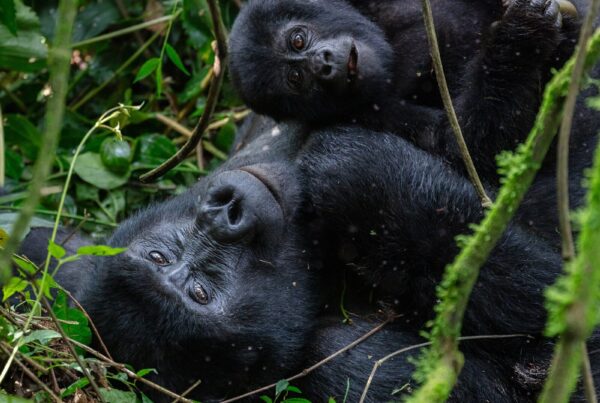
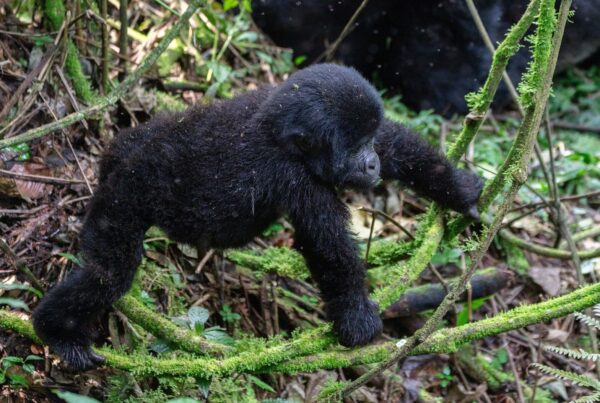
The story of mountain gorilla conservation is one of the most dramatic and inspiring wildlife recovery narratives of the modern era. In the early 1980s, scientists estimated that fewer than four hundred mountain gorillas remained alive, scattered across the highland forests of Rwanda, Uganda, and the Democratic Republic of Congo. Habitat destruction, poaching, and civil conflict had pushed this magnificent species toward what seemed an inevitable extinction. Today, thanks to decades of dedicated conservation effort funded largely by tourism, mountain gorilla numbers have grown to approximately one thousand individuals, and the species was reclassified from critically endangered to endangered in 2018, a milestone that represents one of conservation’s greatest achievements.
This guide examines the factors behind the mountain gorilla’s recovery, the role that tourism and permit fees have played in funding protection, the ongoing threats that still endanger the species, and the lessons that gorilla conservation offers for protecting other endangered wildlife around the world.
The Darkest Days: Gorillas in the 1980s
In 1981, when primatologist Dian Fossey established the Karisoke Research Center in Rwanda’s Volcanoes National Park, mountain gorillas were in crisis. Decades of habitat loss to agriculture had fragmented their forest range. Poaching, though not typically targeting gorillas directly, killed animals in snares set for other species. The illegal pet trade claimed infants when poachers killed their mothers. Civil conflicts in Rwanda and Uganda destabilised the region and made conservation work dangerous and underfunded.
Fossey’s pioneering research revealed the complexity of gorilla social life and generated international attention for their plight. Her book, Gorillas in the Mist, and the subsequent film adaptation brought mountain gorillas to global consciousness. But awareness alone could not fund the protection these animals required. Without sustainable financial support, conservation depended on irregular donations and the dedication of underpaid rangers and researchers.
The Tourism Revolution
The transformation began in the late 1980s and early 1990s when Rwanda and Uganda began developing regulated gorilla tourism. The model was simple but revolutionary: charge visitors a substantial fee to spend one hour with habituated gorilla families, and use the revenue to fund protection, research, and community development.
The first gorilla treks in Uganda began in Bwindi Impenetrable National Park in 1993. The initial permits cost three hundred dollars, a significant sum at the time, but demand exceeded expectations. Visitors were willing to pay premium prices for an encounter that no zoo or wildlife park could replicate, and the revenue stream proved more reliable and substantial than any donation-based funding model.
Today, Uganda’s gorilla permit fee of eight hundred dollars generates millions of dollars annually. Rwanda’s one thousand five hundred dollar permits generate even more despite the higher price. This revenue funds anti-poaching patrols, veterinary interventions, habitat protection, and community projects that reduce local pressure on the forest.
Where the Money Goes
Understanding how permit revenue supports conservation clarifies why gorilla tourism is not merely entertainment but a direct investment in survival. In Uganda, approximately twenty percent of permit revenue goes to UWA for park management. A significant portion funds ranger salaries, equipment, and patrol operations. Another portion supports veterinary care through organisations like Gorilla Doctors, which provides life-saving medical interventions to injured or ill gorillas.
Community benefit is a crucial component. In Uganda, twenty percent of permit revenue is shared with communities bordering the parks. These funds support schools, health clinics, road improvements, and income-generating projects. This sharing creates local stakeholders who value gorilla conservation because it directly improves their lives.
The remaining revenue supports research, infrastructure maintenance, and administrative costs. Every dollar of permit fee contributes to a comprehensive conservation system that protects gorillas from multiple threats simultaneously.
The Role of Anti-Poaching Patrols
Anti-poaching patrols are the frontline defence for mountain gorillas. Funded largely by tourism revenue, these patrols remove snares, deter illegal activities, and monitor gorilla health daily. In Bwindi, patrols operate year-round in all weather conditions, covering the park’s three hundred twenty-one square kilometres on foot.
The effectiveness of these patrols is measurable. Snare removals have declined significantly as patrol presence has increased. Rangers have built relationships with local communities that encourage reporting of illegal activities. The intelligence network created by these relationships extends conservation awareness far beyond the park boundaries.
Ranger work is dangerous and demanding. Several rangers have lost their lives protecting gorillas over the decades. Their sacrifice underscores the reality that conservation is not an abstract concept but a human endeavour that requires courage, commitment, and sustained support.
Veterinary Interventions
The Gorilla Doctors programme, supported by permit revenue and donations, provides veterinary care to habituated mountain gorillas. Veterinarians intervene when gorillas are injured by snares, fall ill with respiratory infections, or suffer from other medical conditions that threaten their survival.
These interventions have saved individual gorillas whose deaths would have reduced their families’ genetic diversity and social stability. In a population as small as mountain gorillas, every individual matters. The veterinary programme represents the recognition that active medical care, not merely passive protection, is necessary for endangered species recovery.
Ongoing Threats
Despite remarkable progress, mountain gorillas remain endangered. Habitat loss continues as human populations expand around the parks. Disease transmission from humans poses an ever-present risk, particularly respiratory viruses. Climate change may alter the forest ecology that gorillas depend on for food.
Civil instability in the Democratic Republic of Congo periodically threatens the Virunga population. In 2018, armed conflict in Virunga National Park forced the suspension of tourism and put both gorillas and rangers at risk. The resilience of conservation efforts in the face of such challenges demonstrates the commitment of those involved, but also the fragility of gains that decades of work have achieved.
Lessons for Global Conservation
The mountain gorilla recovery offers several lessons applicable to other conservation challenges. Tourism can fund protection more reliably than philanthropy. Local community engagement is essential for sustainable conservation. Direct investment in protection, rangers, patrols, veterinary care, produces measurable results.
Perhaps most importantly, the gorilla story demonstrates that species on the brink of extinction can recover if given sufficient resources, political support, and time. The trajectory from fewer than four hundred individuals to over one thousand in four decades is not accidental. It is the result of deliberate, sustained, well-funded conservation action.
Final Thoughts
When you purchase a gorilla permit, you are not merely buying an hour with extraordinary animals. You are voting with your wallet for a conservation model that has proven itself capable of rescuing a species from extinction. Your fee funds the rangers who patrol the forest, the veterinarians who heal injured gorillas, the communities who choose conservation over exploitation, and the researchers who monitor population health.
The mountain gorilla’s recovery is not complete. The species remains vulnerable, dependent on continued protection and funding. But the progress made since the dark days of the 1980s proves that extinction is not inevitable, that human impact can be positive as well as destructive, and that the extraordinary privilege of sharing space with wild gorillas is worth every dollar invested in their survival.