Yes, You Can See Gorillas for Under Two Thousand Dollars
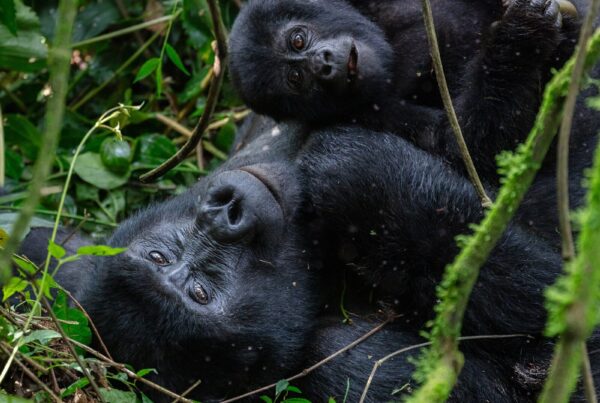
The gorilla trekking permit alone costs seven hundred dollars. Add flights, accommodation, transport, food, and park fees, and most gorilla safari quotes land between three thousand and five thousand dollars. But what if your budget is genuinely limited? Can you experience mountain gorillas in Bwindi Impenetrable Forest for under two thousand dollars, including the permit? The answer is yes, and this guide shows you exactly how to do it across a seven-day trip that sacrifices nothing essential.
The Budget Breakdown
Here is a realistic day-by-day cost breakdown for a seven-day Uganda gorilla safari under two thousand dollars per person:
Gorilla Trekking Permit: $700
This is fixed and non-negotiable. Every foreign non-resident pays seven hundred US dollars for a gorilla trekking permit issued by Uganda Wildlife Authority. There are no discounts for budget travellers, students (foreign), or early booking. The permit grants you one hour with a habituated gorilla family and is the single largest expense of the trip.
Accommodation: $280-$350 (7 nights at $40-$50 per night)
Budget accommodation in Uganda is surprisingly good. Near Bwindi, lodges like Gorilla Valley Lodge, Ride 4 A Woman Guesthouse, Buhoma Community Rest Camp, and Nshongi Camp offer clean rooms with hot water showers, comfortable beds, and hearty meals for between thirty-five and sixty dollars per night. In Entebbe, budget hotels like Airport View Hotel and Karibu Guest House cost twenty-five to forty dollars. In Kampala, backpacker hostels start at fifteen dollars for a dorm bed and thirty dollars for a private room.
Transport: $350-$450
The cheapest transport option is a combination of public buses and shared taxis. A Link Bus or Jaguar Executive from Kampala to Kabale costs approximately twenty to thirty dollars one way and takes about eight hours. From Kabale, a shared taxi or boda-boda (motorcycle) to your Bwindi lodge costs ten to twenty dollars. The total round-trip transport cost using public transport is approximately sixty to one hundred dollars.
However, most budget travellers opt for a shared group safari, which includes a 4×4 vehicle, driver-guide, and fuel. Shared safaris typically cost three hundred to four hundred and fifty dollars per person for a four to five day round trip from Kampala to Bwindi and back, with the cost split among four to eight passengers. This is more comfortable and reliable than public transport, and the driver doubles as a guide.
Meals: $100-$150
If your accommodation includes breakfast and dinner, as most budget lodges near Bwindi do, your additional meal costs are minimal. Budget fifteen to twenty dollars per day for lunch, snacks, and drinks. Local restaurants in Kabale and Bwindi serve generous plates of rice, beans, matoke, and grilled chicken for three to five dollars. Street food in Kampala is even cheaper: a rolex (chapati and egg wrap) costs less than one dollar.
Park Entrance Fees: $40
Bwindi Impenetrable National Park charges an entrance fee of forty dollars per person per day for foreign non-residents. This is separate from the gorilla permit and is usually payable at the park gate on trekking day.
Porter and Tips: $35-$50
Hiring a porter on the gorilla trek costs fifteen to twenty dollars and is strongly recommended. They carry your daypack, help you on steep sections, and their employment directly supports the local community. Budget an additional twenty to thirty dollars for tips to your guide, porter, and lodge staff.
Miscellaneous: $50-$100
Budget for water bottles, SIM card, mobile data, toiletries, insect repellent, sunscreen, and small souvenirs. If you are travelling on public transport, add a few dollars for boda-boda rides between bus stations and lodges.
Total: $1,555-$1,890
That is a genuine seven-day gorilla safari in Uganda for under two thousand dollars, including the seven-hundred-dollar permit.
Sample 7-Day Budget Itinerary
Day 1: Arrive Entebbe
Arrive at Entebbe airport. Transfer to a budget hotel in Entebbe (Airport View Hotel, $30). Walk to the botanical gardens or the beach on Lake Victoria. Eat dinner at a local restaurant for five to eight dollars.
Day 2: Bus to Kabale
Take a Link Bus from Kampala New Taxi Park to Kabale at seven in the morning. The journey takes seven to eight hours. Cost: twenty to thirty dollars. Arrive in Kabale by mid-afternoon. Stay at a budget guesthouse in Kabale ($25-$35). Explore the hill town and its market.
Day 3: Transfer to Bwindi, Afternoon Free
Take a shared taxi or hire a boda-boda from Kabale to your lodge near Bwindi ($15-$25). The drive takes one to two hours depending on the sector. Check in, settle at the lodge, and spend the afternoon birding, walking, or relaxing. Prepare your daypack for the next day’s trek.
Day 4: Gorilla Trekking
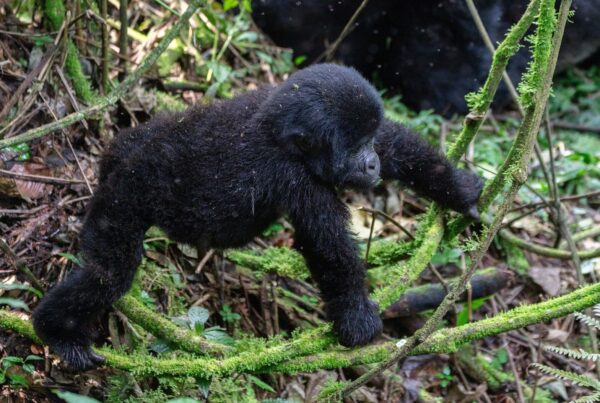
The main event. Wake at five thirty, eat breakfast, transfer to UWA headquarters for the briefing. Trek into the forest to find your assigned gorilla family. Spend one unforgettable hour with the gorillas. Trek back, collect your certificate, return to the lodge. Rest, eat, and process one of the most intense wildlife experiences on Earth.
Day 5: Community Walk or Free Day
Take a community village walk ($10-$15) to visit local schools, farms, banana beer brewing, and traditional healing practices. Alternatively, do a self-guided walk around the lodge area for birding. This is a recovery day, so take it easy.
Day 6: Transfer Back to Kabale or Kampala
Begin the return journey. If taking public transport, travel to Kabale and catch an afternoon or evening bus back to Kampala. If on a shared safari, the driver will take you back with stops along the way. Consider stopping at Lake Bunyonyi for a few hours of canoeing and swimming (entry fee: $5-$10).
Day 7: Kampala or Entebbe, Departure
Arrive back in Kampala or Entebbe. Use the morning for last-minute shopping at Owino Market or the craft stalls near the National Theatre. Transfer to Entebbe airport for your departure flight.
Where to Cut Costs (and Where Not To)
Cut Costs On:
- Accommodation: budget lodges near Bwindi are clean and perfectly adequate
- Transport: public buses and shared safaris save hundreds compared to private vehicles
- Food: eat at local restaurants instead of lodge restaurants where possible
- Activities: skip expensive add-ons like helicopter flights and luxury boat cruises
Do NOT Cut Costs On:
- The gorilla permit: there is no cheaper legal alternative
- Travel insurance: a medical emergency in rural Uganda without insurance can be catastrophic
- A porter: fifteen dollars is a small price for the help they provide and the community impact
- Water and hydration: dehydration on the trek is dangerous, carry at least two litres
Money-Saving Tips
- Travel in the low season (March-May, October-November) when lodge prices drop twenty to forty percent
- Book directly with Uganda-based operators rather than through international agencies that add markup
- Join a group departure to split vehicle and guide costs
- Carry Ugandan shillings for local purchases as they offer better value than dollars at small shops
- Buy snacks and water in Kampala supermarkets before heading to Bwindi where prices are higher
- Negotiate rates at budget lodges, especially for stays of two nights or more
- Skip the domestic flight to Bwindi, as flying costs $250-$400 one way
Final Thoughts
A gorilla safari does not have to cost five thousand dollars. With careful planning, budget accommodation, public transport, and a willingness to travel simply, you can experience the magic of mountain gorillas in Bwindi Impenetrable Forest for under two thousand dollars. The gorillas are the same regardless of whether you sleep in a luxury tent or a community guesthouse. The forest is the same. The encounter is the same. Budget travel in Uganda is not about compromise; it is about priorities. And the priority is getting you face to face with one of the most extraordinary creatures on Earth.
Frequently Asked Questions
Minimum: 3 days (arrive, travel to Bwindi, trek, return — very rushed). Recommended: 5–7 days to include proper travel time and a buffer day. If combining with Kibale chimps or a game park, allow 8–12 days. The 8-hour road journey from Kampala to Bwindi means a 3-day trip involves almost no rest.
A popular 7-day itinerary: Day 1 — Arrive Entebbe, transfer to Kampala or Entebbe hotel. Day 2 — Fly or drive to Bwindi. Days 3–4 — Gorilla trekking (one or two treks), forest walks. Day 5 — Return to Entebbe via Kampala or direct charter. Days 6–7 — Optional Entebbe or Kampala city time before departure.
Yes, but they are in different countries. A combined itinerary typically routes Entebbe (Uganda gorillas) → Nairobi or Kilimanjaro (Tanzania/Kenya safari) with a connecting flight between legs. Allow 10–14 days total. Alternatively, Uganda’s own Queen Elizabeth National Park offers excellent big game alongside the gorilla experience without the international connection.
Near Bwindi: Batwa Cultural Experience (indigenous forest walk with the Batwa community), guided birding walks (350+ species), forest nature walks, waterfall hikes, community village visits. Within 2–3 hours of Bwindi: Lake Bunyonyi (canoeing, island walks), Mgahinga (golden monkey trekking, Virunga volcano hiking).
Uganda is home to the mountain gorilla (Gorilla beringei beringei), one of two subspecies of eastern gorilla. They live exclusively in the Virunga volcanic highlands (Uganda/Rwanda/DRC) and Bwindi Impenetrable Forest (Uganda only). Mountain gorillas are the only gorilla subspecies that cannot survive in captivity — every individual you can trek is a wild animal.