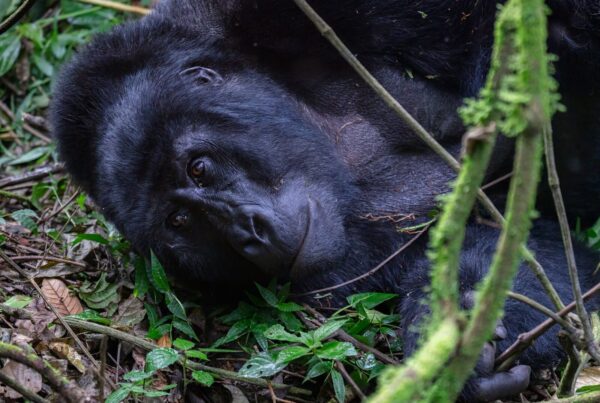
If Uganda will be your first African country, gorilla trekking is an excellent way to begin — it provides structure, purpose, and a specific destination (Bwindi Impenetrable Forest) that anchors an itinerary around one of the world’s most extraordinary wildlife experiences, and it is operationally manageable for first-time Africa travellers in a way that a general “go to Africa and see what happens” approach is not. The first-time Africa traveller’s concerns about Uganda — whether it is safe, whether the infrastructure is adequate, whether they will be out of their depth — are legitimate questions with honest answers: Uganda is generally safe for international tourists on the established safari circuit; the infrastructure between Entebbe, Kampala, and the main safari parks is functional even if it does not resemble European road quality; and the gorilla trekking sector lodges are staffed by experienced teams who have hosted thousands of first-time Africa visitors. This guide covers everything a first-time Africa visitor needs to know to plan a Uganda gorilla trekking trip with realistic expectations and appropriate preparation. For the permit specifics, see the permit guide.
First-Time Africa / Uganda: What to Expect
- Safety: Uganda’s main tourist circuit (Entebbe-Kampala-Queen Elizabeth-Kibale-Bwindi) is consistently rated as low-risk for tourists
- Roads: Main tarmac roads are reasonable; final approaches to Bwindi sectors are unpaved and 4WD required in wet season
- Malaria: Uganda is a malaria-risk country — prophylaxis (malarone, doxycycline, or mefloquine) is recommended for the full trip
- Visa: East Africa Tourist Visa (USD 100, online) covers Uganda, Rwanda, and Kenya — apply before travel
- Currency: Ugandan Shilling (UGX) — USD cash widely accepted at tourist sites; change money at Entebbe airport or Kampala
- Best first itinerary: Entebbe night + Kampala day + Queen Elizabeth NP + Bwindi gorilla trek — 6-7 days total
If Uganda will be your first African country, you are in the right place. This guide is written specifically for first-time Africa travellers who are planning gorilla trekking in Uganda in 2027. It covers everything from how Africa travel actually works, to what you genuinely need to prepare, to what surprises first-timers most. There is no assumption that you know anything about Uganda, East Africa, or what gorilla trekking involves. By the end of this guide you will have enough to make a confident booking decision.
Why Uganda for Your First Africa Trip
Uganda is an excellent first Africa destination because it is small, safe, English-speaking, and built around a single world-class wildlife experience that motivates the entire trip. You do not need to navigate multiple countries, complex itineraries, or overwhelming choices. The goal is clear: trek mountain gorillas in Bwindi Impenetrable National Park. Everything else in your trip is organised around that.
Uganda is also genuinely safe for international tourists. The tourism infrastructure around Bwindi is well-established. Hotels and lodges operate to international hygiene standards. English is the official language and is widely spoken. Mobile data and communications are reliable. These factors matter for first-time Africa travellers who have legitimate concerns about the logistics and safety of their first continental African trip.
How to Get to Uganda
You fly into Entebbe International Airport (EBB). Entebbe is served by multiple international carriers including Kenya Airways (via Nairobi), Ethiopian Airlines (via Addis Ababa), Emirates (direct from Dubai), Turkish Airlines, RwandAir, and others. From Europe, typical flight time is 8 to 12 hours with one connection. From North America, 16 to 20 hours with one or two connections. From the Middle East or Asia, routing via Dubai, Doha, or Nairobi is standard. Book your flights first, then organise your gorilla trekking permit around your confirmed arrival and departure dates.
You do not need a visa in advance if you are from a country eligible for visa on arrival (most Western nationalities qualify — check the Uganda Immigration Department list for your specific passport). Visa on arrival costs $50 USD, paid in cash at the immigration desk. East African Tourist Visa ($100 USD) covers Uganda, Kenya, and Rwanda if you plan to visit multiple countries. Bring your passport, visa fee in cash, and a yellow fever vaccination certificate — yellow fever vaccination is required for entry into Uganda.
Yellow Fever and Health Requirements
Yellow fever vaccination is mandatory for entry into Uganda. You need your yellow card (international vaccination certificate) at immigration. Get vaccinated at least 10 days before departure for the vaccine to be valid. Other health preparation: malaria prophylaxis is recommended (consult your doctor for the right medication for your health profile and trip duration), routine vaccinations up to date (tetanus, hepatitis A and B, typhoid), and travel insurance that covers medical evacuation.
Do not let health preparation worry you disproportionately. Millions of travellers visit Uganda safely every year. The health requirements are manageable and your doctor will walk you through them at a pre-travel consultation. Schedule this consultation 6 to 8 weeks before departure so you have time for any required vaccination courses.
What Gorilla Trekking Actually Is
Gorilla trekking is not a zoo visit or a guided tour to a known location. It is a guided walk into a national park in search of a specific habituated gorilla family. UWA rangers track the family daily. On your trek day, you begin at a briefing point and walk — guided — into the forest in the direction the rangers have established the family is located. The walk takes between 30 minutes and 8 hours depending on where the family has moved. When you find them, you spend exactly one hour with the group at a minimum distance of 7 metres. Then you walk back to the briefing point.
The gorilla permit costs $800 USD per person. This is fixed by Uganda Wildlife Authority — the price is the same everywhere and through every operator. It includes your guide, park entrance for the day, and a community development contribution. Book through a licensed operator — you cannot buy permits directly as an international visitor.
What Africa Travel Is Actually Like: First-Timer Expectations
Roads: outside Kampala and main highways, Ugandan roads range from good tarmac to unpaved tracks. The road to Bwindi from Kampala is partially unpaved and takes 6 to 8 hours by vehicle. It is driveable in a good 4WD, but it is not a smooth motorway. First-time Africa travellers often underestimate road travel time and overestimate road quality. Factor this into your planning: add buffer days, consider charter flights, and understand that travel between places takes longer than Google Maps suggests.
Power: electricity in Uganda is generally reliable in towns and quality lodges, but outages occur. Good lodges near Bwindi have backup generators. Budget guesthouses may not. Bring a universal adapter (Uganda uses UK-type plugs) and a power bank for your phone and camera.
Money: the Ugandan shilling (UGX) is the local currency. USD is widely accepted for tourism services. Bring $100 bills in good condition (unmarked, post-2009 — older or marked notes are sometimes refused). ATMs are available in Kampala and Kabale but not near Bwindi. Bring enough cash for your entire Bwindi stay before you leave the last town.
Pace: Africa travel moves differently from Europe or North America. Things take longer, schedules flex, and the unexpected is more common. First-time travellers who embrace this adjustment enjoy their trips significantly more than those who fight it. Build extra days into your itinerary. Do not schedule a flight home the morning after your gorilla trek.
What First-Time Africa Travellers Are Most Surprised By
The quality of lodges. Quality lodges near Bwindi — even mid-range properties — are genuinely comfortable: en-suite rooms, hot water, good food, attentive service. First-time Africa travellers often arrive expecting something more spartan and are pleasantly surprised by the accommodation standard.
How safe it feels. Bwindi and the surrounding communities are welcoming, accustomed to international visitors, and not the threatening environment some travellers imagine before they arrive. The Uganda most people picture from news coverage is not the Uganda you experience as a tourist in the southwest.
How affecting the gorilla encounter is. First-time Africa travellers who have planned the trip primarily as an adventure activity are frequently more emotionally moved by the gorilla encounter than they expected. The eye contact, the family structure, the proximity — it produces a quality of response that people describe as profound rather than merely exciting.
How much they want to come back. The most common response from first-time Uganda visitors after their trip is immediate planning for a return. Uganda has a way of converting first-timers into Africa travellers with a specific, deep attachment to this particular country.
Recommended First-Timer Itinerary
7 days. Day 1: arrive Entebbe, overnight Entebbe (rest, no travel). Day 2: transfer to Bwindi — fly (1 hour, recommended for first-timers) or road (6-8 hours). Day 3: gorilla trek. Day 4: post-trek activity (Batwa cultural experience, forest walk, or Lake Bunyonyi). Day 5: optional second gorilla trek or relax. Day 6: return to Entebbe by charter or road. Day 7: depart Entebbe. This is the focused version. Adding Kibale National Park for chimpanzee trekking ($250 USD per person) adds 2 days and is highly recommended for a first Uganda trip — it is the other world-class wildlife experience in the country and the combination of gorillas and chimpanzees is what most visitors consider the complete Uganda experience.
How to Book
Book early. Gorilla permits for peak dates (June-August, December-January) sell out 3 to 6 months in advance. For first-time travellers who need time to organise flights, visas, vaccinations, and packing, 6 months advance planning is the right target. Contact a licensed Uganda Tourism Board operator — they handle permit procurement, accommodation booking, transport, and all logistics. You give them your dates, group size, and budget; they build the itinerary and secure the permits. We are a licensed UTB operator and have been running gorilla trekking itineraries for first-time Africa travellers since 2010. Contact us with your preferred 2027 travel dates and we will build your itinerary from scratch.
Frequently Asked Questions
Uganda is consistently assessed as safe for international tourists on the main safari circuit by the UK FCDO, US State Department, and comparable national travel advisory services, with the caveat that the border regions with DRC (west), South Sudan (north), and the Karamoja region (northeast) require specific assessment and caution. The main gorilla trekking circuit — Entebbe, Kampala, Fort Portal, Queen Elizabeth NP, Kibale, and Bwindi — is in the safe zone with no specific security concerns above the general urban Africa personal security awareness that applies in any city. Kampala as a city has the petty crime profile of any African capital — pickpocketing in crowded areas, bag snatching from motorbikes — that requires the same urban awareness you would apply in any city with income inequality. The safari parks themselves are secure managed environments. Bwindi Impenetrable Forest and its sector lodges have a long-established tourism operation with no significant security incidents in recent years. Practical precautions: keep valuables out of sight; use hotel safes; avoid walking in Kampala at night without local guidance; and book transfers with reputable operators rather than unregistered taxis. The general assessment: Uganda is a reasonable first Africa destination from a security perspective, with the standard awareness precautions. What health preparations does a first-time Africa visitor need for Uganda? Health preparation for a Uganda gorilla trekking trip requires specific steps that differ from travel to low-risk destinations. The essential preparations: malaria prophylaxis (Uganda is a malaria-risk country at all altitudes below approximately 2,500m, which includes Entebbe, Kampala, and the lower-altitude safari parks — Bwindi’s higher-altitude sectors are lower-risk but not zero-risk; consult a travel medicine clinic for the appropriate prophylaxis for your health profile — malarone/atovaquone-proguanil, doxycycline, or mefloquine are the main options); yellow fever vaccination (required for entry to Uganda from most countries, and the vaccination certificate is checked at Entebbe airport — this is a mandatory requirement, not a recommendation); routine vaccinations review (hepatitis A and B, typhoid, tetanus-diphtheria-pertussis — confirm these are current before travel); and travel insurance with medical evacuation coverage (medical facilities in Bwindi are basic; serious medical events require evacuation to Kampala or Nairobi, which costs USD 10,000-50,000 without insurance). Optional but recommended: rabies pre-exposure vaccination if you will be in close contact with wildlife or dogs (the gorilla trekking context is low risk but Uganda has endemic rabies); and a travel medicine consultation 4-6 weeks before departure to allow time for vaccinations that require multiple doses. What should a first-time Africa visitor pack for Uganda gorilla trekking? Packing for a Uganda gorilla trekking trip as a first-time Africa visitor requires balancing the specific demands of the trek (highland forest, steep terrain, variable weather) with the broader safari circuit clothing needs (game drives, lodge dinners, Kampala city days). The trek-specific essentials: waterproof hiking boots with ankle support (the most important single item — cheap sneakers are inadequate on Bwindi’s muddy terrain); long-sleeved shirt and long trousers in earth tones (green, brown, khaki) for the trek (shorts expose legs to thorns and insects; bright colours disturb wildlife); a light waterproof jacket (highland forest rain can start without warning); gardening gloves or light work gloves (for gripping vegetation on steep sections); a daypack of 20-30 litres (for water, camera, rain jacket); and 2 litres of water capacity. For the broader trip: light, breathable clothing for game drives (temperatures in Queen Elizabeth NP can be 30C+); one smart-casual outfit for lodge dinners; camera and charger; a power bank (load-shedding is a reality in Uganda — keep devices charged); and a first aid kit with antidiarrheal medication, oral rehydration sachets, and insect repellent with 30%+ DEET. What not to pack: camouflage patterns (illegal in Uganda, confiscated at the airport); heavy items that belong on cold-weather camping trips rather than a highland forest walk; and more clothing than fits in a 40-60 litre bag. How do you get from Entebbe to Bwindi for a first-time visitor? For a first-time Africa visitor, the most reliable route from Entebbe to Bwindi is through a licensed safari operator who manages the transfer logistics — the 9-10 hour road journey from Entebbe/Kampala to Bwindi involves significant distances on roads that are unfamiliar and can be challenging in the wet season, and the operator’s driver knows the routes, the fuel stop options, and the standard procedures that a self-driving first-timer does not. The standard transfer: depart Entebbe/Kampala by 7-8am in a hired 4WD safari vehicle; drive via Masaka and Mbarara (main tarmac highway, good condition); continue to Kabale (last major town, fuel and lunch stop); then the unpaved final approach to the Bwindi sector (30-90 minutes depending on sector and road condition). Arrival at the sector lodge before dark (6pm) is the target — departure by 7-8am allows this with normal drive times. Alternative for first-time visitors who want to stop en route: break the journey in Mbarara (Highway accommodation) or at Lake Mburo National Park (game drive en route, one night) for a two-day Entebbe-Bwindi transit rather than a single long day drive. Domestic flights to Kihihi (the nearest airstrip to Rushaga sector, operated by AirUganda and Eagle Air from Entebbe) reduce the drive to 1-2 hours from the airstrip and are the premium option for visitors for whom the road transfer is too long. What will surprise a first-time Africa visitor about Uganda? First-time Africa visitors to Uganda most commonly report being surprised by things that contradict their prior expectations of Africa from media representations. The most common positive surprises: the density and quality of roadside food markets and fresh produce (the tropical abundance of Uganda’s agricultural production — avocados, jackfruit, pineapples, passion fruit — visible along every main road); the quality and cordiality of the English spoken across Uganda (a legacy of the colonial education system and Uganda’s continued use of English as the primary official language, making communication easy in a way that French-speaking or Portuguese-speaking African countries are not for English speakers); the warmth of social interactions in the village and town environments along the safari circuit; and the sheer visual drama of the landscape — the Kigezi highlands, the Queen Elizabeth rift valley views, and Bwindi’s forest-covered mountains are as beautiful as any landscape in Africa. The most common adjustment challenges: the road journey duration (9-10 hours to Bwindi is genuinely long for visitors accustomed to European road distances); the electricity reliability variability (load shedding in Kampala and unreliable power in more remote lodges is a standard reality); and the persistence of roadside vendors and touts in certain tourist zones (manageable with firm but polite refusals — the standard approach used by experienced travellers). The gorilla encounter itself almost universally exceeds expectations — it is consistently described by first-time Africa visitors as the most powerful wildlife experience of their lives, and the response to the question “was it worth the trip?” is universally yes. Start your first Africa trip with Uganda gorilla trekking Gorilla Permit Guide — the permit booking process for first-time visitors Bwindi Sector Guide — sector comparison for choosing the right trek for a first visit Uganda Gorilla Families — the families at each sector for pre-trip research Full Safari Cost Guide — complete trip planning budget for a first Uganda gorilla trekking visit Safari Itineraries — Uganda first-visit itineraries from 6-day to 10-day formats Further Reading I Have Never Been to Africa: Is Uganda a Good First Trip? Africa’s Top 10 Wildlife Encounters Ranked by People Who Have Done Them All The Rwenzori Mountains: Africa’s Glaciers You Have Never Heard Of Chimps Are Swinging Through Kibale — And the Forest Has Never Been Emptier I Have Been on Safari 12 Times: Gorilla Trekking Beat Them All Gorillas Grieve: They Have Been Seen Sitting Beside Dead Group Members Gorilla Trekking Uganda for People Who Have Done Everything Else Why Ugandans Are Among the Happiest People in East Africa African golden cats in Bwindi: the elusive forest predator almost never seen Why Gorilla Trekking in Uganda Is Africa’s Most Unforgettable Wildlife Adventure <
Health preparation for a Uganda gorilla trekking trip requires specific steps that differ from travel to low-risk destinations. The essential preparations: malaria prophylaxis (Uganda is a malaria-risk country at all altitudes below approximately 2,500m, which includes Entebbe, Kampala, and the lower-altitude safari parks — Bwindi’s higher-altitude sectors are lower-risk but not zero-risk; consult a travel medicine clinic for the appropriate prophylaxis for your health profile — malarone/atovaquone-proguanil, doxycycline, or mefloquine are the main options); yellow fever vaccination (required for entry to Uganda from most countries, and the vaccination certificate is checked at Entebbe airport — this is a mandatory requirement, not a recommendation); routine vaccinations review (hepatitis A and B, typhoid, tetanus-diphtheria-pertussis — confirm these are current before travel); and travel insurance with medical evacuation coverage (medical facilities in Bwindi are basic; serious medical events require evacuation to Kampala or Nairobi, which costs USD 10,000-50,000 without insurance). Optional but recommended: rabies pre-exposure vaccination if you will be in close contact with wildlife or dogs (the gorilla trekking context is low risk but Uganda has endemic rabies); and a travel medicine consultation 4-6 weeks before departure to allow time for vaccinations that require multiple doses. What should a first-time Africa visitor pack for Uganda gorilla trekking? Packing for a Uganda gorilla trekking trip as a first-time Africa visitor requires balancing the specific demands of the trek (highland forest, steep terrain, variable weather) with the broader safari circuit clothing needs (game drives, lodge dinners, Kampala city days). The trek-specific essentials: waterproof hiking boots with ankle support (the most important single item — cheap sneakers are inadequate on Bwindi’s muddy terrain); long-sleeved shirt and long trousers in earth tones (green, brown, khaki) for the trek (shorts expose legs to thorns and insects; bright colours disturb wildlife); a light waterproof jacket (highland forest rain can start without warning); gardening gloves or light work gloves (for gripping vegetation on steep sections); a daypack of 20-30 litres (for water, camera, rain jacket); and 2 litres of water capacity. For the broader trip: light, breathable clothing for game drives (temperatures in Queen Elizabeth NP can be 30C+); one smart-casual outfit for lodge dinners; camera and charger; a power bank (load-shedding is a reality in Uganda — keep devices charged); and a first aid kit with antidiarrheal medication, oral rehydration sachets, and insect repellent with 30%+ DEET. What not to pack: camouflage patterns (illegal in Uganda, confiscated at the airport); heavy items that belong on cold-weather camping trips rather than a highland forest walk; and more clothing than fits in a 40-60 litre bag. How do you get from Entebbe to Bwindi for a first-time visitor? For a first-time Africa visitor, the most reliable route from Entebbe to Bwindi is through a licensed safari operator who manages the transfer logistics — the 9-10 hour road journey from Entebbe/Kampala to Bwindi involves significant distances on roads that are unfamiliar and can be challenging in the wet season, and the operator’s driver knows the routes, the fuel stop options, and the standard procedures that a self-driving first-timer does not. The standard transfer: depart Entebbe/Kampala by 7-8am in a hired 4WD safari vehicle; drive via Masaka and Mbarara (main tarmac highway, good condition); continue to Kabale (last major town, fuel and lunch stop); then the unpaved final approach to the Bwindi sector (30-90 minutes depending on sector and road condition). Arrival at the sector lodge before dark (6pm) is the target — departure by 7-8am allows this with normal drive times. Alternative for first-time visitors who want to stop en route: break the journey in Mbarara (Highway accommodation) or at Lake Mburo National Park (game drive en route, one night) for a two-day Entebbe-Bwindi transit rather than a single long day drive. Domestic flights to Kihihi (the nearest airstrip to Rushaga sector, operated by AirUganda and Eagle Air from Entebbe) reduce the drive to 1-2 hours from the airstrip and are the premium option for visitors for whom the road transfer is too long. What will surprise a first-time Africa visitor about Uganda? First-time Africa visitors to Uganda most commonly report being surprised by things that contradict their prior expectations of Africa from media representations. The most common positive surprises: the density and quality of roadside food markets and fresh produce (the tropical abundance of Uganda’s agricultural production — avocados, jackfruit, pineapples, passion fruit — visible along every main road); the quality and cordiality of the English spoken across Uganda (a legacy of the colonial education system and Uganda’s continued use of English as the primary official language, making communication easy in a way that French-speaking or Portuguese-speaking African countries are not for English speakers); the warmth of social interactions in the village and town environments along the safari circuit; and the sheer visual drama of the landscape — the Kigezi highlands, the Queen Elizabeth rift valley views, and Bwindi’s forest-covered mountains are as beautiful as any landscape in Africa. The most common adjustment challenges: the road journey duration (9-10 hours to Bwindi is genuinely long for visitors accustomed to European road distances); the electricity reliability variability (load shedding in Kampala and unreliable power in more remote lodges is a standard reality); and the persistence of roadside vendors and touts in certain tourist zones (manageable with firm but polite refusals — the standard approach used by experienced travellers). The gorilla encounter itself almost universally exceeds expectations — it is consistently described by first-time Africa visitors as the most powerful wildlife experience of their lives, and the response to the question “was it worth the trip?” is universally yes. Start your first Africa trip with Uganda gorilla trekking Gorilla Permit Guide — the permit booking process for first-time visitors Bwindi Sector Guide — sector comparison for choosing the right trek for a first visit Uganda Gorilla Families — the families at each sector for pre-trip research Full Safari Cost Guide — complete trip planning budget for a first Uganda gorilla trekking visit Safari Itineraries — Uganda first-visit itineraries from 6-day to 10-day formats Further Reading I Have Never Been to Africa: Is Uganda a Good First Trip? Africa’s Top 10 Wildlife Encounters Ranked by People Who Have Done Them All The Rwenzori Mountains: Africa’s Glaciers You Have Never Heard Of Chimps Are Swinging Through Kibale — And the Forest Has Never Been Emptier I Have Been on Safari 12 Times: Gorilla Trekking Beat Them All Gorillas Grieve: They Have Been Seen Sitting Beside Dead Group Members Gorilla Trekking Uganda for People Who Have Done Everything Else Why Ugandans Are Among the Happiest People in East Africa African golden cats in Bwindi: the elusive forest predator almost never seen Why Gorilla Trekking in Uganda Is Africa’s Most Unforgettable Wildlife Adventure <
Packing for a Uganda gorilla trekking trip as a first-time Africa visitor requires balancing the specific demands of the trek (highland forest, steep terrain, variable weather) with the broader safari circuit clothing needs (game drives, lodge dinners, Kampala city days). The trek-specific essentials: waterproof hiking boots with ankle support (the most important single item — cheap sneakers are inadequate on Bwindi’s muddy terrain); long-sleeved shirt and long trousers in earth tones (green, brown, khaki) for the trek (shorts expose legs to thorns and insects; bright colours disturb wildlife); a light waterproof jacket (highland forest rain can start without warning); gardening gloves or light work gloves (for gripping vegetation on steep sections); a daypack of 20-30 litres (for water, camera, rain jacket); and 2 litres of water capacity. For the broader trip: light, breathable clothing for game drives (temperatures in Queen Elizabeth NP can be 30C+); one smart-casual outfit for lodge dinners; camera and charger; a power bank (load-shedding is a reality in Uganda — keep devices charged); and a first aid kit with antidiarrheal medication, oral rehydration sachets, and insect repellent with 30%+ DEET. What not to pack: camouflage patterns (illegal in Uganda, confiscated at the airport); heavy items that belong on cold-weather camping trips rather than a highland forest walk; and more clothing than fits in a 40-60 litre bag. How do you get from Entebbe to Bwindi for a first-time visitor? For a first-time Africa visitor, the most reliable route from Entebbe to Bwindi is through a licensed safari operator who manages the transfer logistics — the 9-10 hour road journey from Entebbe/Kampala to Bwindi involves significant distances on roads that are unfamiliar and can be challenging in the wet season, and the operator’s driver knows the routes, the fuel stop options, and the standard procedures that a self-driving first-timer does not. The standard transfer: depart Entebbe/Kampala by 7-8am in a hired 4WD safari vehicle; drive via Masaka and Mbarara (main tarmac highway, good condition); continue to Kabale (last major town, fuel and lunch stop); then the unpaved final approach to the Bwindi sector (30-90 minutes depending on sector and road condition). Arrival at the sector lodge before dark (6pm) is the target — departure by 7-8am allows this with normal drive times. Alternative for first-time visitors who want to stop en route: break the journey in Mbarara (Highway accommodation) or at Lake Mburo National Park (game drive en route, one night) for a two-day Entebbe-Bwindi transit rather than a single long day drive. Domestic flights to Kihihi (the nearest airstrip to Rushaga sector, operated by AirUganda and Eagle Air from Entebbe) reduce the drive to 1-2 hours from the airstrip and are the premium option for visitors for whom the road transfer is too long. What will surprise a first-time Africa visitor about Uganda? First-time Africa visitors to Uganda most commonly report being surprised by things that contradict their prior expectations of Africa from media representations. The most common positive surprises: the density and quality of roadside food markets and fresh produce (the tropical abundance of Uganda’s agricultural production — avocados, jackfruit, pineapples, passion fruit — visible along every main road); the quality and cordiality of the English spoken across Uganda (a legacy of the colonial education system and Uganda’s continued use of English as the primary official language, making communication easy in a way that French-speaking or Portuguese-speaking African countries are not for English speakers); the warmth of social interactions in the village and town environments along the safari circuit; and the sheer visual drama of the landscape — the Kigezi highlands, the Queen Elizabeth rift valley views, and Bwindi’s forest-covered mountains are as beautiful as any landscape in Africa. The most common adjustment challenges: the road journey duration (9-10 hours to Bwindi is genuinely long for visitors accustomed to European road distances); the electricity reliability variability (load shedding in Kampala and unreliable power in more remote lodges is a standard reality); and the persistence of roadside vendors and touts in certain tourist zones (manageable with firm but polite refusals — the standard approach used by experienced travellers). The gorilla encounter itself almost universally exceeds expectations — it is consistently described by first-time Africa visitors as the most powerful wildlife experience of their lives, and the response to the question “was it worth the trip?” is universally yes. Start your first Africa trip with Uganda gorilla trekking Gorilla Permit Guide — the permit booking process for first-time visitors Bwindi Sector Guide — sector comparison for choosing the right trek for a first visit Uganda Gorilla Families — the families at each sector for pre-trip research Full Safari Cost Guide — complete trip planning budget for a first Uganda gorilla trekking visit Safari Itineraries — Uganda first-visit itineraries from 6-day to 10-day formats Further Reading I Have Never Been to Africa: Is Uganda a Good First Trip? Africa’s Top 10 Wildlife Encounters Ranked by People Who Have Done Them All The Rwenzori Mountains: Africa’s Glaciers You Have Never Heard Of Chimps Are Swinging Through Kibale — And the Forest Has Never Been Emptier I Have Been on Safari 12 Times: Gorilla Trekking Beat Them All Gorillas Grieve: They Have Been Seen Sitting Beside Dead Group Members Gorilla Trekking Uganda for People Who Have Done Everything Else Why Ugandans Are Among the Happiest People in East Africa African golden cats in Bwindi: the elusive forest predator almost never seen Why Gorilla Trekking in Uganda Is Africa’s Most Unforgettable Wildlife Adventure <
For a first-time Africa visitor, the most reliable route from Entebbe to Bwindi is through a licensed safari operator who manages the transfer logistics — the 9-10 hour road journey from Entebbe/Kampala to Bwindi involves significant distances on roads that are unfamiliar and can be challenging in the wet season, and the operator’s driver knows the routes, the fuel stop options, and the standard procedures that a self-driving first-timer does not. The standard transfer: depart Entebbe/Kampala by 7-8am in a hired 4WD safari vehicle; drive via Masaka and Mbarara (main tarmac highway, good condition); continue to Kabale (last major town, fuel and lunch stop); then the unpaved final approach to the Bwindi sector (30-90 minutes depending on sector and road condition). Arrival at the sector lodge before dark (6pm) is the target — departure by 7-8am allows this with normal drive times. Alternative for first-time visitors who want to stop en route: break the journey in Mbarara (Highway accommodation) or at Lake Mburo National Park (game drive en route, one night) for a two-day Entebbe-Bwindi transit rather than a single long day drive. Domestic flights to Kihihi (the nearest airstrip to Rushaga sector, operated by AirUganda and Eagle Air from Entebbe) reduce the drive to 1-2 hours from the airstrip and are the premium option for visitors for whom the road transfer is too long. What will surprise a first-time Africa visitor about Uganda? First-time Africa visitors to Uganda most commonly report being surprised by things that contradict their prior expectations of Africa from media representations. The most common positive surprises: the density and quality of roadside food markets and fresh produce (the tropical abundance of Uganda’s agricultural production — avocados, jackfruit, pineapples, passion fruit — visible along every main road); the quality and cordiality of the English spoken across Uganda (a legacy of the colonial education system and Uganda’s continued use of English as the primary official language, making communication easy in a way that French-speaking or Portuguese-speaking African countries are not for English speakers); the warmth of social interactions in the village and town environments along the safari circuit; and the sheer visual drama of the landscape — the Kigezi highlands, the Queen Elizabeth rift valley views, and Bwindi’s forest-covered mountains are as beautiful as any landscape in Africa. The most common adjustment challenges: the road journey duration (9-10 hours to Bwindi is genuinely long for visitors accustomed to European road distances); the electricity reliability variability (load shedding in Kampala and unreliable power in more remote lodges is a standard reality); and the persistence of roadside vendors and touts in certain tourist zones (manageable with firm but polite refusals — the standard approach used by experienced travellers). The gorilla encounter itself almost universally exceeds expectations — it is consistently described by first-time Africa visitors as the most powerful wildlife experience of their lives, and the response to the question “was it worth the trip?” is universally yes. Start your first Africa trip with Uganda gorilla trekking Gorilla Permit Guide — the permit booking process for first-time visitors Bwindi Sector Guide — sector comparison for choosing the right trek for a first visit Uganda Gorilla Families — the families at each sector for pre-trip research Full Safari Cost Guide — complete trip planning budget for a first Uganda gorilla trekking visit Safari Itineraries — Uganda first-visit itineraries from 6-day to 10-day formats Further Reading I Have Never Been to Africa: Is Uganda a Good First Trip? Africa’s Top 10 Wildlife Encounters Ranked by People Who Have Done Them All The Rwenzori Mountains: Africa’s Glaciers You Have Never Heard Of Chimps Are Swinging Through Kibale — And the Forest Has Never Been Emptier I Have Been on Safari 12 Times: Gorilla Trekking Beat Them All Gorillas Grieve: They Have Been Seen Sitting Beside Dead Group Members Gorilla Trekking Uganda for People Who Have Done Everything Else Why Ugandans Are Among the Happiest People in East Africa African golden cats in Bwindi: the elusive forest predator almost never seen Why Gorilla Trekking in Uganda Is Africa’s Most Unforgettable Wildlife Adventure <
First-time Africa visitors to Uganda most commonly report being surprised by things that contradict their prior expectations of Africa from media representations. The most common positive surprises: the density and quality of roadside food markets and fresh produce (the tropical abundance of Uganda’s agricultural production — avocados, jackfruit, pineapples, passion fruit — visible along every main road); the quality and cordiality of the English spoken across Uganda (a legacy of the colonial education system and Uganda’s continued use of English as the primary official language, making communication easy in a way that French-speaking or Portuguese-speaking African countries are not for English speakers); the warmth of social interactions in the village and town environments along the safari circuit; and the sheer visual drama of the landscape — the Kigezi highlands, the Queen Elizabeth rift valley views, and Bwindi’s forest-covered mountains are as beautiful as any landscape in Africa. The most common adjustment challenges: the road journey duration (9-10 hours to Bwindi is genuinely long for visitors accustomed to European road distances); the electricity reliability variability (load shedding in Kampala and unreliable power in more remote lodges is a standard reality); and the persistence of roadside vendors and touts in certain tourist zones (manageable with firm but polite refusals — the standard approach used by experienced travellers). The gorilla encounter itself almost universally exceeds expectations — it is consistently described by first-time Africa visitors as the most powerful wildlife experience of their lives, and the response to the question “was it worth the trip?” is universally yes. Start your first Africa trip with Uganda gorilla trekking Gorilla Permit Guide — the permit booking process for first-time visitors Bwindi Sector Guide — sector comparison for choosing the right trek for a first visit Uganda Gorilla Families — the families at each sector for pre-trip research Full Safari Cost Guide — complete trip planning budget for a first Uganda gorilla trekking visit Safari Itineraries — Uganda first-visit itineraries from 6-day to 10-day formats Further Reading I Have Never Been to Africa: Is Uganda a Good First Trip? Africa’s Top 10 Wildlife Encounters Ranked by People Who Have Done Them All The Rwenzori Mountains: Africa’s Glaciers You Have Never Heard Of Chimps Are Swinging Through Kibale — And the Forest Has Never Been Emptier I Have Been on Safari 12 Times: Gorilla Trekking Beat Them All Gorillas Grieve: They Have Been Seen Sitting Beside Dead Group Members Gorilla Trekking Uganda for People Who Have Done Everything Else Why Ugandans Are Among the Happiest People in East Africa African golden cats in Bwindi: the elusive forest predator almost never seen Why Gorilla Trekking in Uganda Is Africa’s Most Unforgettable Wildlife Adventure <