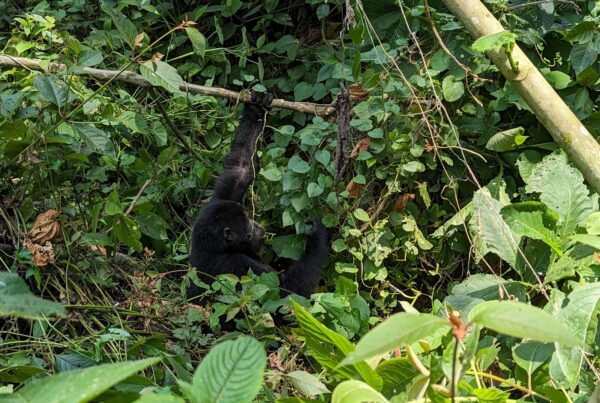
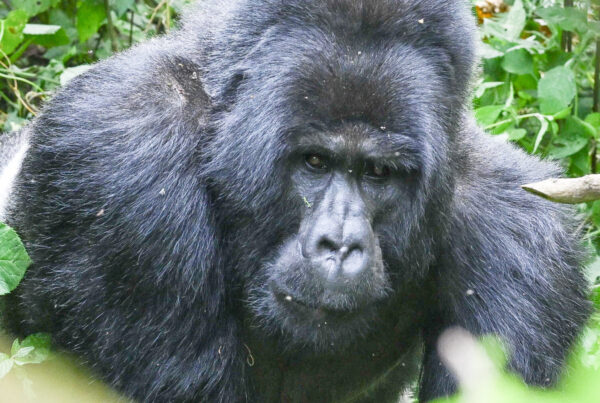
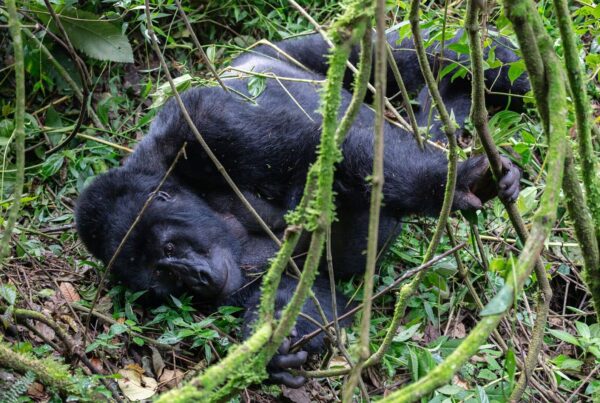
Each of the 21+ habituated gorilla families in Uganda’s Bwindi Impenetrable Forest is a distinct social unit with its own silverback, its own family history, its own territorial range, its own individual characters, and its own behaviour profile — differences that are as significant for the quality and character of the encounter as the sector and trek conditions, and that the pre-trip research that most visitors do (googling “gorilla trekking Uganda” and looking at permit costs) rarely engages with at the level of specificity that the family profiles actually provide. Knowing which gorilla families exist at each sector, what their composition is, and which ones are associated with which trek difficulty and encounter character does not determine the quality of the encounter (the gorillas provide that) but it provides the visitor with the context to understand what they witnessed and to have preferences and requests at the morning briefing that the ranger team can accommodate when family assignment is flexible. This guide profiles the main habituated families across Bwindi’s four sectors with the specific information that pre-trip research makes useful. For the permit booking and sector selection logistics, see the permit guide and the Bwindi sector guide.
Bwindi Gorilla Families: Overview by Sector
- Buhoma (north): Mubare (oldest habituated family, 1991), Habinyanja, Rushegura, Katwe families
- Ruhija (northeast): Bitukura, Oruzogo, Mukiza families — high altitude, smaller family sizes
- Rushaga (south): Bweza, Busingye, Mishaya, Nshongi, Kahungye families — most families of any sector
- Nkuringo (southwest): Nkuringo family, Christmas family — remote dramatic landscape position
- Total families: 21+ across all sectors with new habituation projects ongoing
- Permit per family per day: maximum 8 visitors — family assignment at morning briefing, not at booking
Each habituated gorilla family in Uganda has its own history, social structure, personality, and territorial range. Understanding these differences transforms the trekking experience from a generic wildlife encounter into a meeting with individuals whose lives, relationships, and challenges you can appreciate with the same empathy you bring to human families. The silverback who holds your gaze is not merely a representative of his species. He is a specific individual with a name, a history, and a role in a complex social web that has been documented by researchers and guides over years of observation.
This guide introduces the habituated gorilla families of Bwindi Impenetrable National Park and Mgahinga Gorilla National Park, explaining their compositions, their histories, the sectors where they range, and what makes each family distinctive. While specific family assignments change as new groups are habituated and old groups dissolve or merge, this overview provides the context that helps trekkers understand what they are seeing when they finally encounter these extraordinary creatures.
Understanding Gorilla Social Structure
Mountain gorillas live in stable family groups led by a dominant silverback, an adult male whose back has turned silver with age. The silverback makes decisions about group movement, mediates conflicts, protects the group from threats, and determines access to feeding sites. His authority is based on size, experience, and personality rather than mere physical strength, though his imposing presence, often exceeding two hundred kilograms, certainly contributes to his status.
Family groups typically include several adult females, who are generally unrelated to each other and have transferred from their natal groups at adolescence. The females’ relationships with each other and with the silverback shape group dynamics in ways that observers can learn to read. Juveniles and infants, offspring of the adult females, provide much of the observable behaviour that delights trekkers: play, curiosity, and the gradual learning of social rules.
Subordinate blackback males, younger males who have not yet developed silver backs, may remain in the group or disperse to challenge other silverbacks or form their own groups. When a dominant silverback dies, the group may be taken over by a subordinate male, may disperse into neighbouring groups, or may be claimed by an outside silverback in a dramatic transfer of power.
Buhoma Sector Families
The Buhoma sector in northern Bwindi is the most accessible trekking area and home to several well-known habituated families. The Mubare family, Bwindi’s first habituated group, holds historical significance as the pioneer of gorilla tourism in Uganda. Though the original silverback has passed and group composition has changed over the years, the Mubare family’s legacy in establishing the habituation protocol remains important.
The Habinyanja family, habituated shortly after Mubare, is known for its large size and dynamic social interactions. This family has experienced several silverback transitions, providing researchers with valuable data on how groups reorganise after leadership changes. Trekkers assigned to Habinyanja often witness complex social behaviour as multiple adults negotiate their relationships.
The Rushegura family, which split from Habinyanja in the early 2000s, is known for its tolerance of human presence and its tendency to range close to the Buhoma trailhead. This accessibility makes Rushegura a popular assignment for trekkers with limited fitness or those seeking a less strenuous hike, though the family’s movements vary seasonally.
Ruhija Sector Families
The Ruhija sector, in eastern Bwindi, sits at higher elevations and offers trekking that is generally more challenging than Buhoma. The Bitukura family, habituated in the late 2000s, is known for its peaceful temperament and the close bonds between its members. This family has been particularly valuable for research into gorilla social behaviour because of its observable and consistent interaction patterns.
The Oruzogo family, habituated more recently, has gained popularity for its active and visible juveniles who provide excellent photographic opportunities. The family’s higher-altitude range means that trekkers often experience misty, atmospheric conditions that create dramatic visual settings for the encounter.
Kyaguliro, a research group rather than a tourism group, is habituated for scientific observation and not typically visited by tourists. However, its presence in the sector contributes to the overall understanding of gorilla ecology in Ruhija and occasionally provides opportunities for researchers to compare habituated and unhabituated behaviour.
Rushaga Sector Families
Rushaga, in southern Bwindi, has the highest concentration of habituated families and offers both standard trekking and the Gorilla Habituation Experience. The Nshongi family was, at the time of its habituation, the largest habituated group in Uganda, with multiple silverbacks coexisting in a single group. This unusual social arrangement provided fascinating insights into gorilla social flexibility and male cooperation.
The Mishaya family split from Nshongi and established its own territory, demonstrating the dynamic nature of gorilla social organisation. The Bweza family, which also has origins in the Nshongi group, is known for its reliable accessibility and consistent ranging patterns that make it a popular assignment for trekkers.
The Kahungye family offers some of the most physically demanding trekking in Bwindi, often ranging in steep terrain that tests even fit trekkers. However, the reward is an encounter in spectacular forest settings with a family that sees fewer tourists than some of the more accessible groups.
Busingye is a more recently habituated family that has quickly become popular for its active silverback and visible social interactions. The family’s habituation process incorporated modern techniques refined over decades of experience, resulting in a group that is well-adjusted to human presence.
Nkuringo Sector Families
The Nkuringo sector, perched on ridges overlooking the Virunga volcanoes, offers Bwindi’s most challenging trekking and its most spectacular scenery. The Nkuringi family, the sector’s namesake, was the first habituated group in this area and remains one of the most popular assignments for adventurous trekkers willing to tackle steep terrain.
The Christmas family, named because its dominant silverback was born on Christmas Day, offers a compelling story of habituation success in demanding conditions. The family’s high-altitude range means that trekkers often hike through mist-shrouded forest with views that extend across the border into Rwanda and DRC.
Mgahinga Gorilla National Park
Mgahinga, Uganda’s smallest national park, shares the Virunga Massif with Rwanda and DRC and hosts a single habituated family: the Nyakagezi group. This family’s range crosses international borders, moving between Uganda, Rwanda, and DRC according to seasonal food availability and social pressures. Their international lifestyle makes them unique among Uganda’s habituated gorillas and presents fascinating management challenges for the three countries’ park authorities.
The Nyakagezi group’s tendency to cross borders means that they are not always available for trekking in Uganda. When they are present, however, the encounter takes place in the dramatic setting of the Virunga volcanoes, with Mgahinga, Sabyinyo, and Muhavura providing a backdrop unlike anything in Bwindi.
Family Dynamics Trekkers Might Observe
During your hour with a gorilla family, you may witness behaviours that reflect the specific social dynamics of that group. Silverback displays, chest-beating, and vocalisations assert dominance and reassure the group. Females groom each other and their offspring, maintaining social bonds that are crucial to group cohesion. Juveniles play, wrestle, and explore, learning the skills they will need as adults.
Infants cling to their mothers, nursing and observing the world with the wide-eyed curiosity that makes them favourites among trekkers. The mother-infant relationship is one of the most touching aspects of gorilla social life, and observing it in the wild provides insight into primate nurturing that no zoo or documentary can replicate.
How Family Assignments Work
UWA assigns trekkers to gorilla families based on multiple factors: permit availability, group fitness levels, family accessibility on the specific day, and management goals for distributing tourism pressure across families. You can express preferences during booking, but assignments are ultimately made by rangers who know the current locations and conditions.
Each family can receive a maximum of eight trekkers per day, and the one-hour time limit applies regardless of which family you visit. The specific family assignment is typically confirmed at the pre-trek briefing, though advance information may be available from your operator the day before.
Final Thoughts
The gorilla family you encounter is not an anonymous collection of animals. It is a specific social unit with a documented history, ongoing research monitoring, and individual members whose personalities and relationships have been observed over years. Learning about your assigned family before the trek adds depth to the encounter and helps you appreciate the behaviours you witness as expressions of real relationships rather than generic gorilla activities.
When you sit before a silverback, you are meeting an individual. He has survived challenges you cannot imagine, maintained his authority through displays and diplomacy, and guided his family through the complex social landscape of mountain gorilla life. The hour you share with him and his family is a glimpse into a world that has existed for millennia, a world that continues because people cared enough to protect it. That context transforms the encounter from tourism into pilgrimage.
Frequently asked questions about Uganda’s habituated gorilla families
What is the Mubare gorilla family and why is it historically significant?
The Mubare gorilla family at Bwindi’s Buhoma sector has the distinction of being the first gorilla family in Uganda to be habituated for tourism — the habituation process that began in 1991 and resulted in the first tourist gorilla treks at Bwindi in 1993. This makes Mubare the family from which Uganda’s gorilla trekking industry originated, and the family’s 30+ year history of daily contact with humans is reflected in their particularly relaxed and confident behaviour during tourist encounters. The Mubare family has undergone significant changes since 1993 — the original patriarch silverback Ruhondeza, who led the family from the first tourist treks until his death from old age in 2012, was succeeded by younger silverbacks whose tenure and family dynamics have continued the family’s evolution. The Mubare family’s home range keeps them relatively close to the Buhoma sector gate on a high proportion of days, making them one of the more reliably accessible families in terms of trek distance. For visitors specifically interested in the conservation history of gorilla trekking, a Buhoma sector permit with a Mubare family assignment is the encounter with the greatest historical significance in Uganda’s gorilla trekking story.
How many gorillas are in a typical habituated family at Bwindi?
Habituated gorilla family sizes at Bwindi vary considerably — from smaller families of 8-12 individuals to larger families of 25-40 individuals — and the family size directly affects the encounter experience in ways that matter for planning. A larger family (25-40 individuals) produces a richer encounter in terms of the variety of individuals visible during the 60-minute window: multiple silverbacks (some families have both a dominant silverback and subordinate younger males), multiple females at different stages of the adult-juvenile-infant spectrum, and a higher probability of infant and juvenile behaviour visible simultaneously. The Nshongi family at Rushaga sector has historically been one of the largest habituated families in Bwindi with 30+ individuals. A smaller family (8-15 individuals) produces a more intimate encounter where individual gorillas are more distinctly identifiable and the social dynamics between a smaller group are easier to observe and follow. The Bitukura family at Ruhija sector was known as an unusually relaxed family with multiple silverbacks coexisting peacefully — a rarer social structure that produces distinctive encounter dynamics. Family composition changes continuously through births, deaths, male dispersal (young silverbacks who leave to form their own groups), and occasional family splits — the UWA ranger briefing each morning provides current family composition that may differ from guide descriptions written years earlier.
What is the gorilla habituation process and how long does it take?
Gorilla habituation is the process by which a wild gorilla family is gradually conditioned to tolerate close human presence without displaying fear or aggression — the multi-year conditioning programme that makes tourist gorilla trekking possible. The process begins when Uganda Wildlife Authority ranger researchers identify an unhabituated gorilla family within Bwindi’s boundaries and begin regular daily contact with the family at increasing proximity, building over 2-3 years from distant observation that the family barely registers to the close presence (7-metre minimum distance) that the tourist encounter requires. The stages: initial contact (rangers observe the family from 100+ metres, establishing daily proximity without inducing flight behaviour); gradual approach (proximity is reduced incrementally over months as the family’s tolerance increases); vocalisation calibration (the trackers use specific non-threatening vocalizations to communicate peaceful intent that the gorillas learn to recognise); and full tolerance (the family moves normally, feeds, plays, and rests without significant alteration of behaviour in the presence of human observers at 7-metre proximity). The full habituation process takes 2-3 years minimum and is not guaranteed to produce a tourism-ready family — some families resist habituation and the process is abandoned; others complete the process but are assigned to the research habituation experience (the full-day USD 1,800 GHE permit) rather than the standard tourist trek. The ongoing habituation programme expands the number of available families incrementally as each new habituation project completes.
Can you choose to visit the same gorilla family twice for a second permit?
Requesting the same gorilla family for a second consecutive permit day is possible at the booking stage and is accommodated by UWA when the family’s daily permit allocation has availability — though the final assignment on the second day remains subject to the same morning briefing assessment process as the first. The practical experience of a second visit to the same family: visitors who do two consecutive days with the same family consistently report that the second encounter is qualitatively different from the first — the baseline anxiety and logistical preoccupation of the first encounter has resolved, and the second encounter is observed with more attention and less distraction; specific individual gorillas recognised from the first encounter are seen again with additional context; and the dynamic of the family on the second day may be entirely different (a quiet feeding day versus an active social day, a different spatial arrangement, different juveniles visible). Many visitors who do two permit days find that the second is their favourite encounter of the trip. The permit cost is the same (USD 800) for each day; if two different families are of interest at the same sector, requesting different families for the two days is equally valid and provides comparison encounter data that enriches the understanding of the individual family character.
Do gorilla families have different personalities and encounter styles?
Habituated gorilla families at Bwindi do have recognisably distinct encounter characters that experienced rangers, researchers, and visitors who have trekked multiple families consistently describe — differences in how relaxed or alert the silverback is to human presence, how active and curious the juveniles are toward the visitor group, how close the family tends to range during the encounter, and how much intra-family social interaction is visible during the 60-minute window. These differences derive from the specific silverback’s personality and dominance style (silverbacks range from highly relaxed to more assertive in their management of human presence), the family’s history with tourism (families that have been habituated longer tend to have more settled encounter behaviour), the family’s current social dynamics (a family with recent male competition or a new infant produces different encounter behaviour than a settled family), and the season’s effect on ranging behaviour. The specific character of individual families is described by the ranger guides who work with those families daily and whose briefings include family composition updates and behavioural context that is not available in published guides. The practical implication: asking the ranger guide at the morning briefing to describe the specific character of the family you have been assigned provides encounter-specific context that enriches the observation during the 60-minute window — the ranger’s daily contact with the family makes them the best possible source for what to expect that day.
Learn about the gorilla families before you trek
- Uganda Gorilla Families — the full family profiles with trek difficulty and encounter character by sector
- Bwindi Sector Guide — sector-by-sector comparison of families and terrain
- Gorilla Permit Guide — booking permits for specific sectors and family requests
- Full Safari Cost Guide — permit costs and second-permit budgeting
- Safari Itineraries — Uganda itineraries that include multiple sector or family visits
- Bwindi Gorilla Families: Guide to All Habituated Groups
- The Gorilla Family Photo Album: Every Habituated Family in Bwindi Pictured
- How the Kyaguliro Family Split Into Two Groups: The Full Story
- How habituated gorilla families are named and numbered: the science of identification
- Top 10 Habituated Gorilla Families in Bwindi Impenetrable Forest
- Gorilla Trekking with Kids: Tips for Family-Friendly Adventures in Uganda
- Meet the conservationist protecting mountain gorillas in the heart of the impenetrable forest.
- What a 3-Day Uganda Wildlife and Cycling Safari Did to My Family Was Beyond Anything We Expected
- Uganda Art & Music Scenes to Explore: Where Tradition Meets Vibrant Modernity
- Uganda Gorilla Trekking Buhoma Sector: Trails, Families and Logistics