Habituated gorilla families in Bwindi — a complete visual record
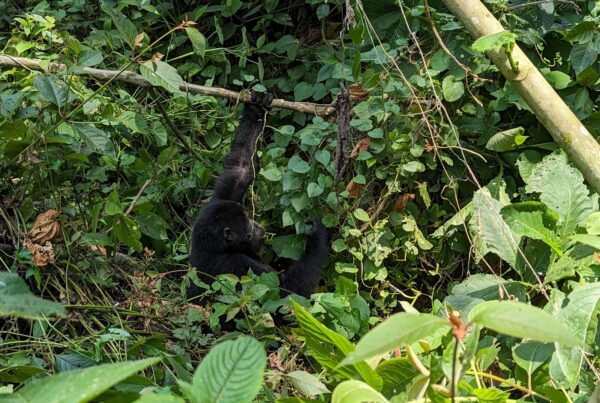
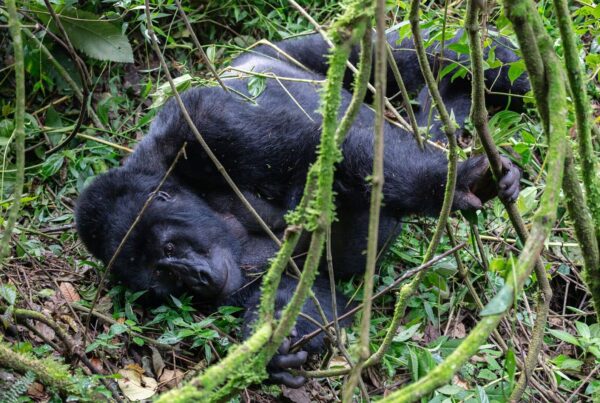
Habituated gorilla families in Bwindi Impenetrable Forest are among the most photographed wildlife subjects in Africa, yet each family group has its own character, its own silverback, and its own story. Uganda Wildlife Authority currently maintains 12 habituated gorilla families across Bwindi’s four sectors — Buhoma, Rushegura, Ruhija, and Nkuringo — plus three additional families in Mgahinga Gorilla National Park. Each family has been through the multi-year habituation process that prepares wild gorillas to accept the daily presence of human visitors without stress, and each now receives regular visits from trekking groups who come from across the world to spend one permitted hour in their presence.
Buhoma sector families
The Buhoma sector, located in the north of Bwindi, was the first area where gorilla trekking was established in Uganda and remains one of the most visited. Its habituated families — including the Mubare group, Uganda’s first habituated gorilla family — have been receiving trekking visitors since 1991 and are among the most relaxed and accessible of all the groups in the park.
The Mubare family: Uganda’s first habituated group
The Mubare family holds a unique place in the history of gorilla trekking in Uganda. Habituated in 1991, they were the first mountain gorilla group in Uganda to receive tourist visits, and the success of early Mubare encounters provided the evidence that made the expansion of gorilla trekking possible. The family has changed considerably over the decades — silverbacks have risen, aged, and been succeeded, and the group’s composition today reflects the full complexity of gorilla family dynamics over time. Current photographs of the Mubare family show a group that has witnessed decades of human visitors with complete equanimity, their behaviour in the presence of trekking groups serving as a benchmark for how successful habituation looks in practice.
The Habinyanja and Rushegura families
The Habinyanja family, one of Buhoma’s larger groups, originated as a single large family that split when a younger silverback established his own group — the Rushegura family. This split, which occurred in the early 2000s, was documented in detail by Uganda Wildlife Authority researchers and represents one of the best-documented examples of mountain gorilla family fission in the scientific literature. Photographs of both families today show the divergent trajectories they have taken since the split, with different silverbacks, different family compositions, and different territories within the Buhoma sector.
Rushegura sector families
The Rushegura sector occupies the western portion of Bwindi and provides access to several habituated families in terrain that is generally somewhat more open than the dense central forest. The sector takes its name from the Rushegura gorilla family, one of Bwindi’s best-known groups.
The Rushegura family
The Rushegura family is one of Bwindi’s most photographed gorilla groups. Their territory, combined with the open vegetation structure in parts of their sector, produces encounters with better lighting conditions than many other sectors — a detail that makes the Rushegura family particularly popular with photography-focused visitors. The family’s silverback — a large, photogenic male with a distinctive facial scar — has become one of the most recognisable individual gorillas in Uganda, his image appearing in tourism materials and wildlife publications around the world.
Ruhija sector families
The Ruhija sector, in the east of Bwindi, sits at higher altitude than the other sectors and has a microclimate that is cooler and wetter than Buhoma or Rushegura. The vegetation is denser and the trekking terrain more challenging, but the sector offers some of Bwindi’s most rewarding encounters — particularly for visitors who prefer a more remote and demanding experience.
The Bitukura family
The Bitukura family is one of Ruhija’s most accessible gorilla groups and was notable in recent years for containing one of Bwindi’s very few sets of gorilla twins. The family’s composition — including multiple silverbacks who coexist within a single group structure — makes them of particular interest to researchers studying mountain gorilla social organisation. Photographs of the Bitukura family often capture the dynamics of a multi-silverback group, showing how younger silverbacks negotiate their position relative to the dominant male.
The Oruzogo family
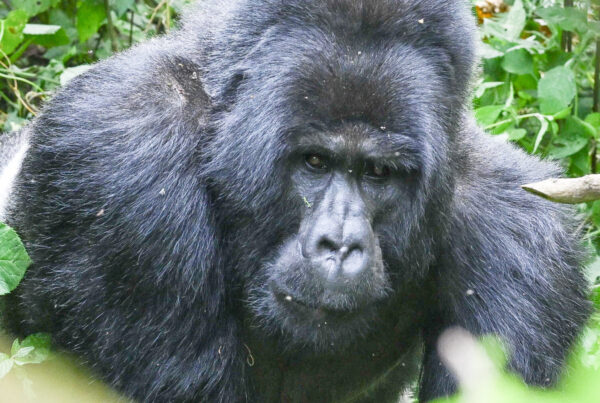
The Oruzogo family, one of the more recently habituated groups in the Ruhija sector, is known among gorilla guides for its silverback’s particularly calm and deliberate temperament — a characteristic that makes encounters with the family especially relaxed and conducive to extended close-range observation. Photographs of the Oruzogo silverback consistently capture an animal of impressive physical presence and unusual composure, sitting at ease in the presence of visiting groups in a way that even experienced gorilla guides find striking.
Nkuringo sector families
The Nkuringo sector, in the south of Bwindi, is the most remote and most dramatically situated of the four sectors. Its forest occupies a steep, south-facing ridge with views across deep valleys to the volcanic peaks of the Virunga range on the Rwandan and Congolese borders. Trekking in Nkuringo is among the most physically demanding in all of Uganda, but the sector produces some of Bwindi’s most spectacular encounters and most dramatic landscape photography.
The Nkuringo family
The Nkuringo family, which gives the sector its name, was habituated in the early 2000s and has been a consistently popular trekking destination. The family’s territory in the steep, south-facing terrain of the sector means that encounters often take place against backdrops of extraordinary visual drama — the forest falling away below, the Virunga volcanoes visible in the distance through gaps in the canopy. Photographs of the Nkuringo family in their distinctive landscape setting are visually unlike those from any other sector in Bwindi.
The Mishaya family
The Mishaya family was formed when a single silverback — Mishaya — left the Nkuringo group and established his own family. This process of fission, followed by new family formation, is one of the primary mechanisms by which mountain gorilla social groups change over time. The Mishaya family’s origin story is well documented and frequently explained to trekking visitors as an illustration of how gorilla society works. Photographs of the Mishaya family document a group in the earlier stages of development — smaller, with a younger age profile, and with a silverback still establishing his territory and social relationships.
Mgahinga families: gorillas of the Virungas
Mgahinga Gorilla National Park, Uganda’s smallest national park, protects the Ugandan section of the Virunga volcanoes and hosts three habituated gorilla families whose territories cross the borders between Uganda, Rwanda, and the DRC. Encounters in Mgahinga are less guaranteed than in Bwindi because the families sometimes spend time in Rwanda or the DRC, but when they are present on the Ugandan side, the encounters — set against the dramatic backdrop of the volcanic mountains — are among the most visually spectacular in all of gorilla trekking.
Each of Bwindi’s and Mgahinga’s habituated gorilla families offers a different experience, shaped by the family’s character, territory, and history. Our team can advise on which sector and which family is likely to provide the experience you are looking for — whether that is the most relaxed and accessible encounter, the most dramatic landscape setting, or the best conditions for wildlife photography. Contact us to plan your gorilla trekking permit allocation and safari itinerary.