Can You Really Get a Last-Minute Deal on a Gorilla Safari?
The short answer is yes, but with caveats. Uganda gorilla trekking permits are among the most sought-after wildlife experiences on Earth, and the seven-hundred-dollar permit price is set by Uganda Wildlife Authority with no official discounts. However, the total cost of a gorilla safari includes accommodation, transport, meals, guide fees, and additional activities, and it is in these components where last-minute savings can be significant. Understanding how the system works, when deals become available, and where to look will help you save hundreds of dollars without compromising the quality of your experience.
Understanding Uganda Safari Pricing
A typical three to five day gorilla trekking safari costs between one thousand five hundred and four thousand dollars per person, depending on the level of accommodation and the number of activities included. The gorilla permit itself accounts for seven hundred dollars of this total. The remaining cost is split between accommodation, transport, guide fees, park entrance fees, meals, and optional extras. Last-minute deals primarily reduce the accommodation and transport portion, which is where operators and lodges have the most flexibility.
Why Last-Minute Deals Exist
Safari lodges near Bwindi Impenetrable Forest operate at variable occupancy throughout the year. During peak season from June to September and December to February, occupancy rates can reach ninety percent or higher, leaving little room for discounts. But during the shoulder months of March, May, October, and November, occupancy can drop to forty or fifty percent. Lodges would rather sell a room at a discount than leave it empty, so they offer reduced rates to tour operators who can fill the rooms at short notice.
Tour operators also build margins into their quoted prices to cover contingencies. When they have vehicles and guides already deployed in the Bwindi area for other clients, they can offer significant discounts to travellers willing to join at short notice, because the marginal cost of adding another person to an existing trip is much lower than the cost of a standalone booking.
Where to Find Genuine Last-Minute Deals
1. Contact Uganda-Based Tour Operators Directly
The best last-minute deals come from operators based in Kampala who run their own vehicles and employ their own guides. These operators know exactly which vehicles are available, which lodges have empty rooms, and which gorilla permits remain unsold for the coming days and weeks. Contact three to five operators via email or WhatsApp and explain that you are flexible on dates, accommodation level, and sector. Operators who are filling gaps in their schedule will often offer discounts of fifteen to thirty percent on the non-permit portion of the trip.
2. Check Lodge Websites and Booking Platforms
Many lodges near Bwindi list their own last-minute offers on their websites, especially during the low season. Booking platforms like Safari Bookings, TripAdvisor, and Booking.com sometimes feature reduced rates for properties with availability in the coming week. Be aware that booking a lodge separately from a tour operator means you will need to arrange your own transport and guide, which can be more expensive individually than as part of a package.
3. Unsold Gorilla Permits
Uganda Wildlife Authority releases gorilla trekking permits up to two years in advance. Popular dates sell out months ahead, but there are almost always a few permits available for the coming week, particularly for less popular sectors like Nkuringo and Ruhija. Tour operators can check permit availability in real time and may be able to secure a permit for you even if you are booking just days before the trek. During the low season, permit availability is usually excellent across all sectors.
4. Group and Shared Safari Options
Joining an existing group safari is one of the most effective ways to reduce costs. Many operators run scheduled group departures on fixed dates throughout the year. These shared safaris split the cost of the vehicle, guide, and fuel among four to eight travellers, reducing the per-person cost by thirty to fifty percent compared to a private safari. Last-minute spaces on these group departures are often offered at further discounts because the operator has already committed to the costs.
5. Social Media and Newsletter Deals
Follow Uganda-based tour operators on Instagram, Facebook, and X. Many post flash deals when they have cancellations or unsold spaces. Subscribe to their email newsletters for early access to promotions. Some operators run seasonal sales around Uganda’s Independence Day in October, the Christmas holiday period, and the start of each trekking season in June and December.
When to Book for the Best Last-Minute Prices
Low Season: March, April, May, October, November
The rainy seasons offer the best last-minute deals. Accommodation rates drop by twenty to forty percent, and operators are eager to fill empty spaces. Gorilla trekking during the rains is absolutely still possible and enjoyable. The forest is lush and green, the trails are quieter, and the gorillas are often at lower elevations, making treks shorter. You will need good waterproof gear, but the savings can be substantial. A safari that costs three thousand dollars in July might cost two thousand dollars in November.
Shoulder Season: Early June, Late September, Early December
The weeks at the beginning and end of the peak seasons offer a sweet spot between good weather and reduced prices. Lodges have not yet filled to capacity, and operators are often willing to negotiate. These periods also tend to have fewer trekkers on the trails, giving you a more intimate gorilla experience.
Peak Season: July, August, Late December, January, February
Genuine last-minute deals during peak season are rare. However, cancellations do occur. If a group cancels due to illness, visa issues, or flight disruptions, their permits and lodge rooms become available at short notice. Being flexible and ready to travel within forty-eight hours can occasionally land you a peak-season safari at a reduced price.
How Much Can You Actually Save?
Based on real market data from Uganda-based operators in 2026:
- Budget 3-day gorilla safari: standard price $1,800-$1,800, last-minute low season $1,200-$1,400
- Mid-range 4-day safari: standard price $2,200-$2,800, last-minute low season $1,700-$2,200
- Luxury 5-day safari: standard price $3,500-$5,000, last-minute low season $2,800-$3,800
- Group/shared 3-day safari: standard price $1,200-$1,800, last-minute $900-$1,200
The gorilla permit price of seven hundred dollars is never discounted, so all savings come from the other components.
Red Flags: Avoiding Fake Deals and Scams
Not all last-minute deals are genuine. Be cautious of:
- Operators who offer gorilla permits below the official seven hundred dollar price. This is either a scam or they are using permits obtained through unofficial channels
- Extremely cheap safari packages that do not itemise costs. Always ask for a breakdown showing permit cost, accommodation per night, transport, and guide fees
- Operators who demand full payment via Western Union or untraceable transfer methods. Legitimate operators accept bank transfers, credit cards, or PayPal
- Websites that claim to be Uganda Wildlife Authority but have different URLs. The official UWA website is ugandawildlife.org
- Deals that seem too good to be true. A three-day gorilla safari including permits cannot realistically cost less than one thousand dollars per person even in the lowest season
Tips for Maximising Your Savings
- Be flexible on dates. Moving your trek by just two or three days can open up cheaper accommodation and permit options
- Be flexible on sectors. Nkuringo and Ruhija often have more availability than Buhoma and Rushaga
- Travel in a small group. Two or three friends sharing a vehicle cuts transport costs dramatically
- Consider budget accommodation. Clean, comfortable lodges near Bwindi start at forty to sixty dollars per night
- Book the drive option rather than flying. The domestic flight from Entebbe to Kihihi costs two hundred to four hundred dollars each way, while the drive costs far less
- Bring your own snacks and water bottles to reduce spending on extras during the trip
Final Thoughts
Last-minute Uganda safari deals are real, but they require flexibility, research, and a willingness to communicate directly with local operators. The gorilla permit price is fixed, but everything else is negotiable, especially during the low season. By travelling in the shoulder months, joining group departures, and contacting multiple operators, you can experience the magic of gorilla trekking in Bwindi Impenetrable Forest at a price that fits your budget. The gorillas do not care whether you booked six months ago or six days ago. The encounter is just as life-changing either way.
Frequently Asked Questions
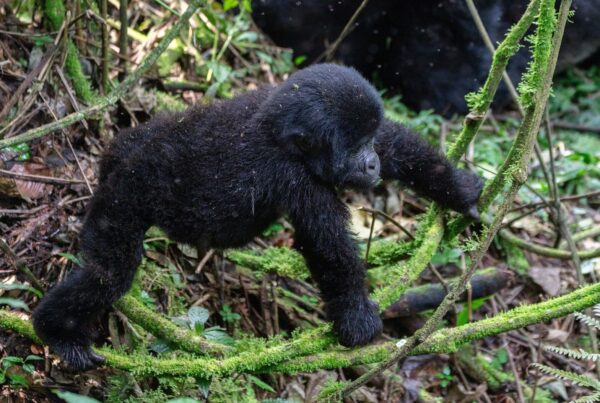
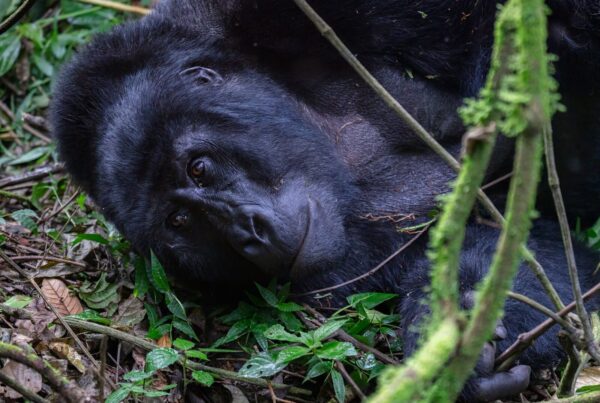
Uganda is home to the mountain gorilla (Gorilla beringei beringei), one of two subspecies of eastern gorilla. They live exclusively in the Virunga volcanic highlands (Uganda/Rwanda/DRC) and Bwindi Impenetrable Forest (Uganda only). Mountain gorillas are the only gorilla subspecies that cannot survive in captivity — every individual you can trek is a wild animal.
The standard gorilla trekking permit gives you exactly 1 hour with the gorilla family. This time begins when you make first contact with the family — the ranger signals the start. The Gorilla Habituation Experience gives 4 hours with a semi-wild family. The walk to find the gorillas can take 30 minutes to 5 hours depending on where the family has moved.
Stay calm, crouch down slowly, avoid direct eye contact, and remain quiet. Do not run — running triggers a chase response. Rangers accompanying your group manage close approaches. Habituated gorillas are accustomed to humans and almost never make contact, but a charging silverback is managed by staying still and following ranger instructions immediately.
A maximum of 8 visitors per habituated gorilla family per day for standard trekking. The Gorilla Habituation Experience has a maximum of 4 visitors per family per day. These limits are set by UWA to minimise stress on the gorilla families and maintain the quality of the experience.
Uganda is home to the mountain gorilla (Gorilla beringei beringei), one of two subspecies of eastern gorilla. They live exclusively in the Virunga volcanic highlands (Uganda/Rwanda/DRC) and Bwindi Impenetrable Forest (Uganda only). Mountain gorillas are the only gorilla subspecies that cannot survive in captivity — every individual you can trek is a wild animal.