Updated
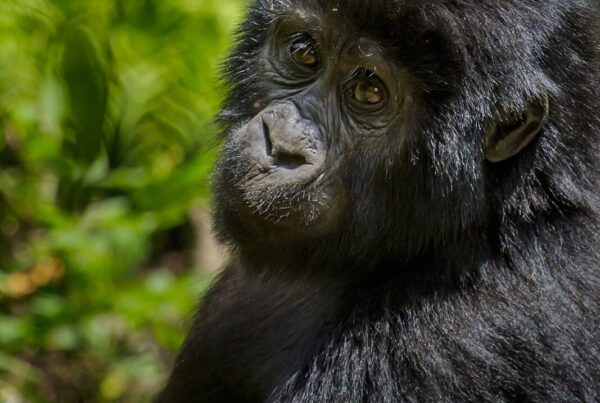
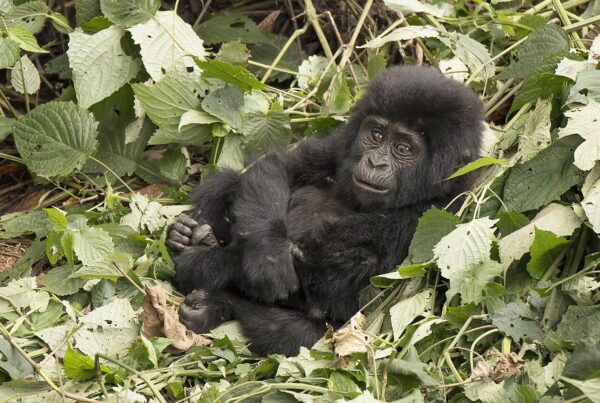
Africa calling Uganda gorilla safari is one of Africa’s most extraordinary wildlife experiences, connecting travellers with mountain gorillas in their natural forest habitat. At some point in the lives of most people who travel, Africa becomes the call they have been meaning to answer — not a specific country, not a specific experience, just Africa, the idea of it, and for most people who finally make the commitment to answer that call, the question of which Africa to enter first is the question that will shape whether they go once or spend the next decade finding reasons to return — and Uganda, with mountain gorillas at Bwindi Impenetrable Forest, chimpanzees in Kibale, and a wildlife circuit most visitors describe as genuinely transformative, is one of the strongest first answers Africa has. Start planning: cost breakdown, 7-day Uganda safari.
- The gorilla: mountain gorillas live only in Uganda, Rwanda, and DRC; Bwindi has 20+ habituated families; no zoo has them; this is a wholly unique encounter at any price
- The circuit: gorillas (Bwindi) + chimps (Kibale) + savannah (QENP) + shoebill (Mabamba) in one 7-10 day loop — rare breadth for the area covered
- Permit: USD 800 (vs Rwanda USD 1,500); full trip from USD 2,200 per person; accredited Uganda operators handle all logistics
- Access: Entebbe International Airport; direct connections from Amsterdam, London, Nairobi, Addis; e-visa USD 50 online; yellow fever vaccination required
At some point in the lives of most people who travel, Africa becomes the call they have been meaning to answer. Not a specific country, not a specific experience — just Africa, the idea of it, the enormous, complex, extraordinary continent that occupies more of the map than most people realise and more of the imagination than most destinations can sustain. The call is real. The question is which version of Africa you are actually being called toward.
For most people who end up in Uganda, the answer was not obvious at first. They thought they were being called toward Kenya or Tanzania, toward the Serengeti and the Mara, toward the landscapes and the safari vehicles and the classic Africa of wildlife documentaries. Some of them went there first and it was magnificent. And then they heard about Uganda, and they went, and they understood that this was the call they had actually been hearing.
Africa Is Calling: Why Uganda Is the Answer You Were Looking For
What Uganda Has That Others Do Not
Uganda is not a replacement for the Serengeti. The Serengeti is what it is — one of the great wildlife spectacles on Earth, a landscape of such scale and biological abundance that no description quite captures it. But the Serengeti experience, for all its magnificence, is an experience of scale and distance. You observe from a vehicle. The wildlife is wild. The landscape contains you without particularly noticing you.
Uganda is something different. Uganda is where the encounter happens at the level of the person rather than the level of the landscape. The gorilla family in Bwindi who accepts your presence without alarm. The chimpanzees at Kibale who move through the canopy above you with casual indifference. The shoebill stork at Mabamba who turns its prehistoric head to regard you with the specific attention of a creature that has been doing this for sixty million years. These are encounters at human scale, with animals who are aware of you as a specific presence rather than as a generic disturbance.
The Pearl of Africa
Winston Churchill called Uganda “the Pearl of Africa” in 1908, after a brief visit that was, by his own account, insufficient to do justice to what he was seeing. The phrase has been used to market Uganda ever since, sometimes to the point of meaninglessness. But the original perception behind it was accurate: Uganda is a country of unusual beauty and unusual biological richness, concentrated in a relatively small area, in a way that rewards attention in proportion to the depth of attention paid.
The Kigezi Highlands where the gorillas live. The Albertine Rift where the endemic birds are. The Nile as it begins its journey to the Mediterranean from the outflow of Lake Victoria. The volcanic chain of the Virungas marking the border with Rwanda and the DRC. Bwindi’s ancient canopy, unchanged in ecological function for thousands of years. Each of these is what Africa can be when it has been protected — when the species and the ecosystems and the people who depend on them have been given enough space and enough support to function as they evolved to function.
The People
The call of Africa is often described in terms of the wildlife and the landscapes. The element that most visitors to Uganda cite as equally important, and sometimes more important in retrospect, is the people. The warmth and openness of Ugandans — the ease of conversation, the genuine hospitality, the quality of social engagement that most visitors from more individualised societies find surprising and disarming — is a consistent theme across traveller accounts that cannot be dismissed as cultural stereotype. It is what it is: a society in which strangers are potential members of the social network, and visitors are given the benefit of the doubt.
The rangers at Bwindi who know the gorilla families by name and by history. The market traders of Kisoro who navigate three languages and two currencies as a matter of daily commerce. The children who follow the tourist vehicles at a respectful distance before breaking into grins when acknowledged. Uganda answers the call of Africa not just through its wildlife but through its human texture — a richness that is not easily described but is immediately recognisable when you encounter it.
The Answer to the Call
The $800 gorilla permit in 2027 is the specific price of the specific answer Uganda gives to the specific call you have been hearing. It provides access to the hour with the gorilla family that most visitors describe as the thing that made everything else make sense. It funds the conservation system that keeps the gorillas alive and the forest intact. And it begins a journey into a country that delivers everything the call of Africa promised, in ways that no description and no photograph has fully prepared any visitor for.
Contact us to plan your 2027 Uganda trip. Africa is calling. Uganda is the answer. The gorillas are waiting.
Why does Uganda work well as a first Africa destination?
Uganda works for first-time Africa visitors for specific reasons. The flagship experience: mountain gorilla trekking at Bwindi is genuinely irreplaceable — no zoo contains mountain gorillas; coming to Uganda answers the gorilla before it is no longer possible (1,063 individuals alive worldwide; Endangered IUCN). The variety: a single Uganda loop delivers primates (gorillas, chimps, 13 total species), savannah game (Queen Elizabeth NP lions, elephants, hippos), and birding (1,000+ species including the shoebill at Mabamba Bay) in one itinerary; few Africa destinations match this density. The cost: USD 800 gorilla permit is significant but less than Rwanda’s USD 1,500; the total trip cost is competitive with premium Serengeti safaris for what is delivered. The infrastructure: Uganda’s tourist circuit is established and functional; most operators are experienced and accredited; the roads are manageable by 4WD; English is widely spoken (official language). See 7-day Uganda itinerary.
What is the best time of year to visit Uganda for gorilla trekking?
Uganda has two dry seasons and two wet seasons with the gorillas accessible year-round. Primary dry season (June-September): the main peak; trails are drier and firmer; easier trekking conditions; highest permit demand; book 6-12 months ahead for this window. Short dry season (December-February): second peak; good conditions; less demand than June-September; Christmas/New Year period fills fast — book early. Shoulder / wet season (March-May, October-November): trails muddy; waterproof boots essential; permits more available at shorter notice; lower prices at some lodges; the gorillas are no less present or visible — only the trek conditions differ. For first-timers: June-September is the standard recommendation for easiest conditions; March-May is underrated for value and availability. See 30 things to know.
What is the Uganda wildlife circuit that most first-time visitors do?
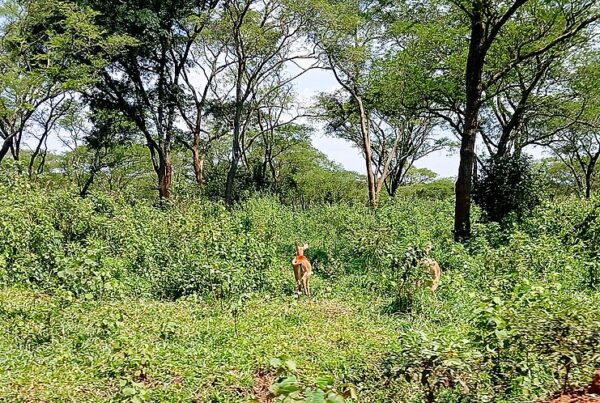
The standard first Uganda circuit covers the country’s four flagship experiences. Day 1: arrive Entebbe; afternoon Mabamba Bay shoebill canoe trip (40 min from airport). Day 2-3: Kibale Forest chimp trekking; Bigodi Wetland Sanctuary afternoon bird walk. Day 4-5: Queen Elizabeth NP — morning game drive (Kasenyi lions, Uganda kob, elephants); afternoon Kazinga Channel boat safari; optional Ishasha tree-climbing lions sector. Day 6-7: Bwindi — gorilla trek on Day 7 morning. Day 8: Lake Mburo NP stop en route Kampala (zebra, impala, topi, hippo). Day 9-10: Entebbe; depart. Extending to Murchison: add Murchison Falls NP at the start or end (fly Kampala-Pakuba or drive via Karuma) for Nile boat safari. See operator options: accredited operators.
How does gorilla trekking in Uganda differ from Rwanda and is Uganda worth the extra effort?
Uganda and Rwanda both deliver genuine gorilla encounters with important differences. Permit cost: Uganda USD 800; Rwanda USD 1,500; for two people, this is USD 1,400 in savings on permits alone — enough for a night in a quality lodge. Forest type: Bwindi is a complex, ancient afromontane forest 25,000+ years old; Rwanda’s Volcanoes NP is more open afromontane habitat with dramatic Virunga volcano backdrop; Bwindi’s forest atmosphere is often described as more mysterious; Rwanda’s landscape is more photogenic. Wildlife circuit: Uganda’s circuit is richer — chimps, savannah, shoebill, 1,000+ bird species; Rwanda’s circuit is limited in comparison though excellent for Kigali city tourism. The effort: Uganda requires more road travel on longer circuits; Rwanda is more compact and polished in infrastructure. Combined: flying into Kigali, crossing to Bwindi (2.5 hours by road), then doing the Uganda loop is increasingly popular.
What should I budget for a Uganda gorilla trip in 2027?
Budget depends on style of travel and circuit length. Permit: USD 800 per person — the fixed cost at all budget levels. Budget trip (8 days, Bwindi only): USD 2,200-2,800 pp from Europe; guesthouses, shared 4WD, minimal extras; permit + flights are the major cost items. Mid-range (8-10 days, full circuit): USD 3,500-5,500 pp from Europe; 3-star lodges, private transfer, all activities included; the most common package tier. Luxury (10-14 days, fly-in options): USD 7,000-15,000 pp; luxury camps, charter flights, premium lodges adjacent to Bwindi. Flying from USA: add USD 500-900 to any tier for transatlantic flights. Full breakdown: gorilla trekking cost Uganda 2025.
- Gorilla Trekking FAQs: 50 Most Asked Questions Answered
- Top 10 Most Searched Questions About Gorillas in 2026: Answered
- The Gorilla Trekking Uganda FAQ: 40 Real Questions Answered Honestly
- Why Gorilla Trekking in Uganda Is Africa’s Most Unforgettable Wildlife Adventure
- Cultural Tours in Uganda: Discover the Soul of the Pearl of Africa
- Gorilla Behaviour in the Wild: Understanding the Gentle Giants of Africa
- Gorilla Myths and Fascinating Facts: Unveiling the Truth About Africa’s Gentle Giants
- 3 Days Congo Gorilla Trekking Safari: Raw Encounters in Africa’s Wildest Jungle
- Uganda Birding Safari — 22-Days: A Journey Into the Feathered Soul of Africa
- Wildlife Safaris: What to See, Expect, Prepare & Plan — Plus Where to Go in Africa