First-time gorilla trekkers arrive at the Bwindi briefing point with two things in common: they have planned this for longer than they expected, and they are about to find that the experience exceeds what they imagined. This guide covers the practical essentials — what to book, what to carry, what to expect on the mountain, and what catches first-timers off-guard — so that none of your one hour with the gorillas is spent on surprises. Start with the permit booking guide and the Bwindi trekking overview before reading the detail here.
- Permit cost: $800 USD for foreign non-residents — book this first, before flights
- Minimum age: 15 years
- Viewing time: exactly 1 hour with the gorilla family
- Trek duration: 2–8 hours total — pack for the full day
- Flash photography: strictly prohibited
- What surprises most first-timers: how calm the gorillas are, and how fast the hour passes
If you are reading this, you are likely considering gorilla trekking for the first time, drawn by photographs of gentle giants in misty forests and stories of encounters that changed lives. Perhaps you are excited, nervous, uncertain about what to expect, or overwhelmed by the logistics of planning a trip to one of Africa’s most remote corners. These feelings are entirely normal. Gorilla trekking is unlike any other travel experience, and first-timers face a steep learning curve that begins long before they set foot in Bwindi’s forest.
This guide is designed specifically for first-time gorilla trekkers. It covers every aspect of the experience from initial decision through post-trek reflection, answering the questions that beginners most commonly ask and addressing the concerns that keep them awake at night. By the end, you will have the knowledge and confidence to plan a first gorilla trek that meets your expectations and perhaps exceeds them.
What Is Gorilla Trekking, Really?
Gorilla trekking is the practice of hiking into the habitat of wild mountain gorillas to observe them in their natural environment. Unlike visiting gorillas in zoos, trekking brings you to the gorillas’ home, where they live, feed, rest, and socialise without fences, bars, or barriers between you and them. The experience is managed carefully for both human and gorilla safety, but the encounter itself is genuine and wild.
The standard experience involves joining a small group of visitors, up to eight, led by professional guides and trackers. You hike through forest, sometimes for hours, until your assigned gorilla family is located. You then spend one hour observing the gorillas from a minimum distance of seven metres. After the hour, you hike back out of the forest.
This description, while accurate, captures none of the emotional reality. The first moment when you see a gorilla, truly see one, not in a photograph but in living, breathing, three-dimensional presence, is difficult to describe and impossible to forget. The silverback’s size, the mother’s tenderness, the infant’s curiosity, the forest’s cathedral-like atmosphere, these elements combine to create an experience that transcends ordinary tourism and enters the realm of pilgrimage.
Choosing Between Uganda, Rwanda, and DRC
Mountain gorillas live in only three countries: Uganda, Rwanda, and the Democratic Republic of Congo. Each offers gorilla trekking, but the experiences differ in cost, accessibility, safety, and overall context.
Uganda offers the most affordable permits at eight hundred dollars for foreign non-residents, compared to Rwanda’s one thousand five hundred dollars. Uganda’s Bwindi Impenetrable National Park contains approximately half the world’s mountain gorilla population, spread across multiple sectors that offer variety in terrain and experience. Uganda also provides opportunities to combine gorilla trekking with other exceptional wildlife experiences, chimpanzees, lions, elephants, that Rwanda cannot match.
Rwanda’s Volcanoes National Park offers more accessible trekking, with shorter drives from Kigali and generally gentler terrain. The country’s tourism infrastructure is more developed, and the overall experience is more polished. However, the permit cost is significantly higher, and the experience is more standardised.
The Democratic Republic of Congo offers the cheapest permits but requires careful consideration of security conditions. Virunga National Park has experienced periodic instability, and trekking there demands thorough research and flexibility.
For most first-timers, Uganda offers the best combination of value, biodiversity, and authentic experience. The lower permit cost frees budget for longer stays or higher-quality accommodation, and the opportunity to explore Uganda’s other national parks adds depth to the overall safari.
Booking Your Permit: The First Essential Step
Gorilla permits are limited and sell out months in advance. For first-timers, booking a permit is the non-negotiable first step in planning. Without a permit, there is no trek, regardless of how much you have spent on flights, accommodation, or equipment.
Permits can be booked directly through the Uganda Wildlife Authority or through authorised tour operators. Booking directly with UWA is cheaper but requires more effort, including visiting their offices in Kampala or communicating via email with response times that can be slow. Operators charge a markup but handle all logistics, including permit booking, and provide recourse if problems arise.
For your first trek, using a reputable operator is generally advisable. The peace of mind, logistical support, and local knowledge they provide justify the additional cost. Look for operators registered with the Association of Uganda Tour Operators and check reviews from recent clients.
Physical Preparation: What First-Timers Need to Know
The physical demands of gorilla trekking surprise many first-timers. Bwindi’s terrain is steep, muddy, and densely vegetated. The altitude, ranging from one thousand one hundred to over two thousand six hundred metres, reduces aerobic capacity for sea-level dwellers. The humidity approaches one hundred percent, creating a physical weight that accelerates fatigue.
You do not need to be an athlete, but you do need reasonable fitness. Begin walking regularly at least six weeks before your trip. Build up to sustained walks of ninety minutes on varied terrain. If possible, practice on hills or stairs. Wear the boots you plan to trek in to break them in and prevent blisters.
Hire a porter regardless of your fitness level. The fifteen to twenty dollar fee supports local employment and transforms your experience by carrying your pack and providing assistance on difficult terrain. Porters are not a luxury; they are a sensible investment in your comfort and safety.
What to Pack: Essential Gear for First-Timers
Packing appropriately for your first trek prevents discomfort and allows you to focus on the gorillas. Essential items include: sturdy, broken-in hiking boots with ankle support; lightweight, long-sleeved shirt and long trousers to protect against nettles and insects; light rain jacket or poncho; garden gloves for gripping vegetation; hat and sunglasses; insect repellent with DEET or picaridin; sunscreen; small daypack with water and snacks; camera with charged batteries and spare memory cards; and a complete change of dry clothing for after the trek.
Avoid cotton clothing, which absorbs moisture and dries slowly. Choose synthetic or merino wool fabrics that wick sweat and retain warmth when damp. Leave bright colours at home; neutral tones like khaki, olive, and brown are standard for good reason.
What to Expect on Trek Day
Your trek day begins early, typically with a six o’clock breakfast and seven-thirty departure for the park headquarters. The pre-trek briefing starts at eight, covering safety rules, gorilla behaviour, and group assignments. You will be assigned to a gorilla family based on your fitness level and preferences, and grouped with other visitors.
The hike to the gorillas can take anywhere from thirty minutes to six hours. Guides set a pace appropriate to the group, with rest stops as needed. Trackers radio ahead with the gorillas’ location, allowing guides to adjust routes. The forest is beautiful, demanding, and utterly absorbing.
When you reach the gorillas, the guide will brief you on positioning and behaviour. You will spend one hour observing, photographing, and simply being present. The time passes impossibly quickly. Afterward, you hike back to the trailhead, typically arriving in the early to mid-afternoon.
Managing Expectations and Emotions
First-timers often experience intense emotions during and after the trek. Awe, joy, gratitude, and even tears are common responses. Some people feel a profound connection to the gorillas that defies rational explanation. Others are simply overwhelmed by the physical exertion and sensory intensity.
There is no correct emotional response. Your experience is yours alone, and comparing it to others’ accounts is unnecessary. Some first-timers describe the encounter as life-changing; others as simply wonderful. Both responses are valid.
Be prepared for post-trek emotional processing. Many first-timers find themselves thinking about the gorillas for days afterward, processing the experience in dreams and quiet moments. This is normal and, in many ways, part of the gift.
Final Thoughts
Your first gorilla trek is not merely a wildlife encounter. It is an initiation into a community of people who have shared something extraordinary. It is a confrontation with your own place in the natural world. It is a reminder that wonder still exists, that wildness still persists, that connection across species boundaries is possible.
Prepare well, approach with humility, and receive whatever the forest offers. The gorillas do not perform on demand. They do not care about your expectations or your camera settings. They simply live their lives, and for one extraordinary hour, they allow you to witness that living. That allowance is a privilege beyond price. Treat it accordingly, and your first trek will be the beginning of a lifelong relationship with one of the world’s most magnificent creatures.
What should a first-time gorilla trekker do first?
Book your gorilla permit before anything else — before flights, before accommodation. Permits are the scarcest part of a gorilla trekking trip, particularly for peak season dates (June–September and December–January). Once the permit date is confirmed, everything else — flights, lodge, and transfers — is built around it. Booking in reverse risks securing a flight to Uganda and finding no permit available for your dates.
What surprises most first-time gorilla trekkers?
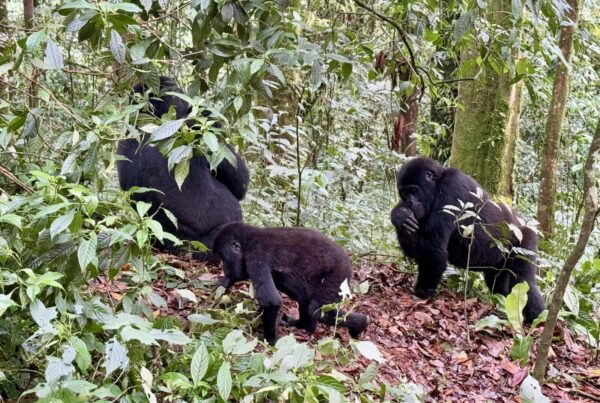
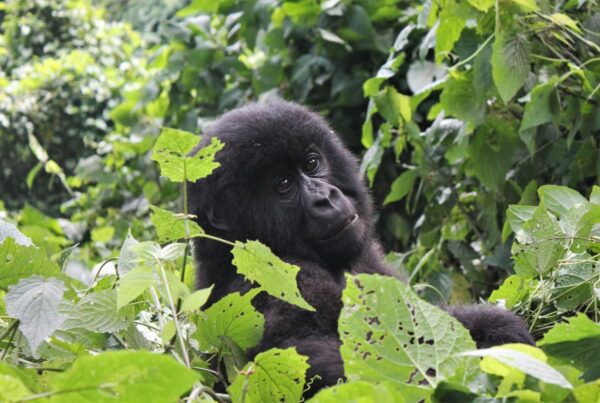
The most consistent surprise is how calm the gorillas are. First-timers expect something more like a wildlife documentary — animals fleeing, danger, distance. What they find is a silverback sitting three metres away, apparently indifferent to their presence, while juveniles play overhead. The second surprise is how fast the one-hour viewing window passes. Most visitors want more time than the rules allow.
What is the minimum distance I must keep from gorillas?
Uganda Wildlife Authority requires a minimum distance of 7 metres between visitors and gorillas. In practice, gorillas sometimes approach closer on their own, in which case rangers instruct the group to back away slowly. Do not move toward the gorillas to close the distance — let them move toward you if they choose. The 7-metre rule protects both visitors and gorillas from disease transmission.
Do I need to be very fit for my first gorilla trek?
Average fitness is sufficient for most treks, but the terrain is genuinely steep and the forest floor is uneven and often muddy. The unpredictability of trek duration (2–8 hours) means you should prepare for a full day rather than a short hike. A porter is available at every trailhead and is strongly recommended for first-time trekkers regardless of fitness level — they carry your bag and help on difficult sections for approximately $15 USD.
What do I do if a gorilla charges at me?
Rangers brief every group on this before the trek. The instruction is to crouch down, avoid direct eye contact, and stay still — do not run. Charges from habituated gorillas are nearly always bluff charges, a dominance display rather than a genuine attack. Rangers stand between the group and the gorillas and manage these situations. Following ranger instructions calmly and immediately is the only thing required of you.
- First-Timer’s Guide to Gorilla Trekking: What No One Tells You
- Uganda International Airports: Entebbe Guide for First-Timers
- First Safari? Why Uganda in 2026 Is the Best Decision You’ll Ever Make
- The First-Time Africa Traveller’s Guide to Choosing the Right Experience
- Uganda’s Entebbe International Airport: arrival guide for first-time visitors
- Mountain gorilla infant development: the first five years of a gorilla’s life
- Best Gorilla Trekking Experiences in Uganda for First-Timers
- Uganda Primate Safaris: Journey Into the Forests Where We First Belonged
- Uganda Travel Tips for First-Time Visitors: What You Need to Know Before You Go
- Birds of Uganda: The Untamed Symphony of Africa’s Best Birding Paradise