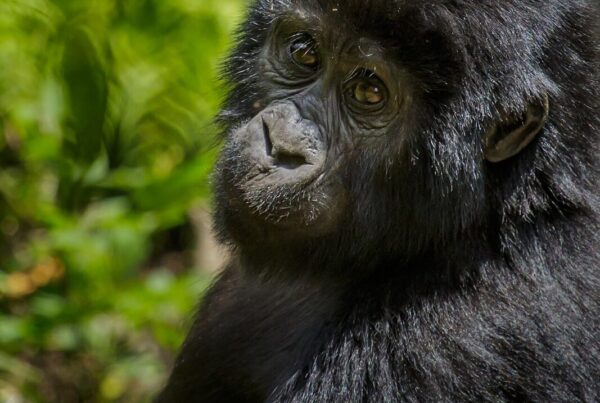
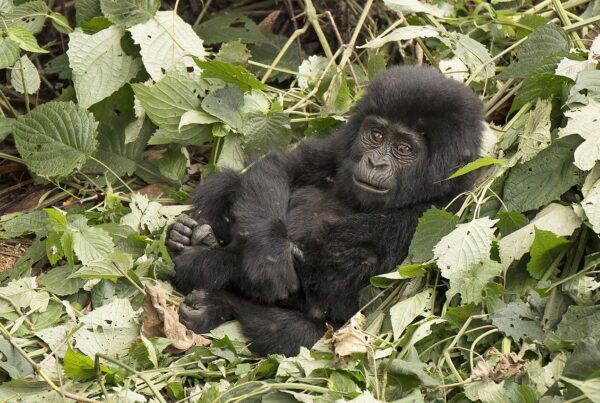
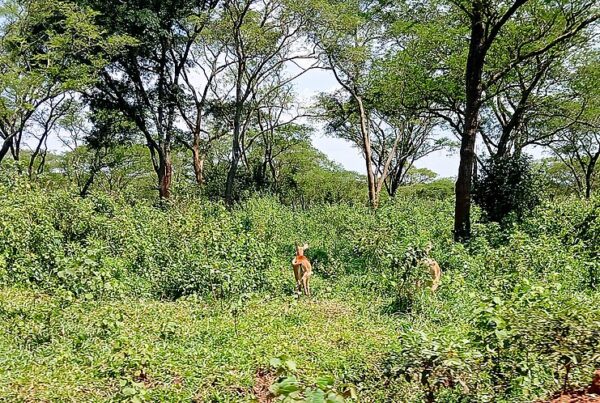
Uganda’s mountain gorilla trekking industry rests on a fragile ecological and social foundation — a wild population of fewer than 1,100 animals in a protected forest surrounded by some of East Africa’s most densely populated agricultural land, where the economic relationship between gorilla tourism and the communities on the forest margin is what makes conservation viable rather than aspirational. As a visitor, your spending decisions, behaviour in the forest, and choices about which operators and activities you support have measurable consequences for both gorilla survival and community welfare. This guide covers the key dimensions of responsible tourism in Uganda: what ethical choices look like at each step of a gorilla trekking trip, why they matter, and the specific actions — from porter hire to operator selection — that concentrate benefit in the right places. The habituated gorilla families you will spend an hour with exist partly because tourism dollars fund the ranger and tracker system that protects them every day.
Responsible Tourism Checklist
- Hire a community porter at every Bwindi sector gate — USD $15–20, 100% to local families
- Book through a Uganda-registered operator — ensures permit fees, taxes, and wages stay in-country
- Follow the 7-metre rule absolutely — gorillas share 98.3% of human DNA and can contract our diseases
- Never do not trek if symptomatic — a cold can kill a gorilla family member
- Buy directly from community craft sellers near sector gates — not lodge gift shops that take margin
- Do not offer food, pick up wildlife, or photograph community members without permission
Uganda’s mountain gorilla trekking industry is built on a fragile ecological and social foundation — a small population of wild animals in a protected forest surrounded by some of East Africa’s most densely populated agricultural land, where the economic and social relationship between the gorilla conservation project and the communities living on its margins determines whether the gorillas survive. As a visitor, the choices you make during your Uganda safari — which operator you book through, where you spend your additional money, how you behave in the gorilla forest, and how you engage with local communities — have measurable consequences for the conservation outcomes and community welfare that the gorilla tourism industry either supports or undermines. This guide covers the key dimensions of responsible tourism in Uganda and how to be an ethical safari visitor during your gorilla trekking trip.
1. Hire Community Porters at Every Gorilla Trek Briefing Point
- Community porters are available for hire at every Bwindi sector gate at a standard fee of approximately USD 15
- Porter fees flow directly to individuals from adjacent gorilla zone communities
- Porters carry your daypack, provide a trekking pole, and assist on difficult terrain sections
- Hiring a porter frees your hands for trekking poles and camera; directly funds community incomes
- 100% of every visitor should hire a porter — a small cost with outsized community economic impact
Hiring a community porter at the Bwindi sector gate briefing point is the single most direct and cost-efficient responsible tourism action available to any gorilla trekking visitor — a USD 15 payment that flows entirely to an individual member of the community adjacent to the gorilla forest, creating direct income linkage between the visitor’s presence in Uganda and the economic wellbeing of the families whose cooperation with gorilla conservation is the non-negotiable foundation of Bwindi’s protected area integrity. Communities that receive meaningful income from gorilla tourism have strong economic incentives to protect rather than encroach upon the forest — the porter system is a precisely targeted mechanism delivering this income to individual community members in the form of a fair-wage direct employment relationship that the visitor can observe, experience, and feel good about in real time during the trek itself.
Beyond the community impact, the practical benefits of porter hire are substantial and immediate: the porter carries your daypack throughout the often-steep and muddy trek, freeing your hands for trekking poles on difficult terrain and camera at every photographic opportunity. Experienced porters are also quietly helpful on terrain sections where balance and footing require a supporting hand — a service the porter provides instinctively without the visitor having to ask. The efficiency advantage is particularly valuable during the one-hour gorilla encounter itself, when having a porter holding your daypack means having both hands available for camera management rather than dividing attention between bag management and photography during the non-repeatable and time-limited encounter with the gorilla family. There is no rational argument against porter hire at this price and with these benefits — the only reason any visitor might skip it is simple unawareness that the service exists at the briefing point.
Hire a porter at every sector gate: Walk to the porter queue at the briefing point before the trek begins and select a community porter. Pay the standard fee of approximately USD 15 directly to the porter and add a tip of USD 5 to USD 10 at the conclusion of the trek if you are satisfied with the service. Confirm with your safari guide or ranger that you want to hire a porter — they will direct you to the queue if you are uncertain of the process at your specific sector gate.
2. Maintain the 7-Metre Distance Rule and Strict Gorilla Behaviour Protocols
- Uganda Wildlife Authority rules require a minimum 7-metre distance from gorillas at all times
- Disease transmission from humans to gorillas is a genuine conservation risk — respect the distance
- Do not approach closer than the ranger permits, even if a gorilla approaches the group first
- Do not eat or drink in the gorilla presence; keep voices low during the entire encounter period
- Follow all UWA ranger instructions immediately and without question during the gorilla encounter
The Uganda Wildlife Authority’s 7-metre minimum distance rule for gorilla trekking encounters is not a guideline or a suggestion — it is a genuine conservation necessity based on the established susceptibility of mountain gorillas to human respiratory diseases. Mountain gorillas and humans share approximately 98 percent of their genetic material, making them vulnerable to the same viral and bacterial pathogens that affect human visitors. A respiratory virus brought into the gorilla family’s contact zone by a trekking visitor can spread through the entire family within days — a potentially catastrophic disease event in a critically endangered population where every individual’s survival matters to the global conservation status of the species. The 7-metre distance rule exists specifically to reduce the probability of pathogen transmission during the close-proximity human encounter that gorilla trekking inherently involves.
The practical implementation of the 7-metre rule is the responsibility of both the UWA ranger managing the encounter and the visitors themselves — when a gorilla moves toward the human group, the group retreats to maintain distance; visitors do not move toward gorillas at any point during the encounter regardless of the quality of the photographic opportunity that a closer position might provide. The UWA ranger signals the group during the encounter and manages distance maintenance as conditions change when the family moves. Visitors who breach the distance rule — whether from excitement, photographic motivation, or simple spatial unawareness — create genuine conservation risk and should be immediately and firmly corrected by the ranger. Following the ranger’s instructions without negotiation or delay is not merely a courtesy but a conservation obligation that each visitor accepts as a condition of holding a gorilla trekking permit.
Wear a mask if you are symptomatic: Uganda Wildlife Authority requires visitors to wear surgical masks during the gorilla encounter if they are showing any respiratory symptoms. Bring a clean surgical mask in your daypack as a precaution regardless of your health status on departure — if you develop any symptoms during the trek or notice nasal congestion, put the mask on without the ranger having to prompt you. The gorillas’ health takes precedence over any individual visitor’s preference for an unmasked encounter.
3. Buy Local: Support Ugandan Artisans, Markets, and Community Shops
- Buy crafts, souvenirs, and produce from community markets and directly from artisan producers
- Avoid purchasing mass-produced imported souvenirs available in Kampala tourist shops from non-local sources
- Batwa crafts, Kigezi basket weaving, and locally carved wooden items are genuine community income
- Market produce purchased locally supports community farmers adjacent to the gorilla zones
- Ask your guide to recommend specific community artisan groups or cooperative shops near each park
The craft and souvenir market adjacent to major tourist destinations like Bwindi and Queen Elizabeth contains a mixture of genuinely locally made items from community artisan groups and imported mass-produced goods that generate no local economic benefit despite being sold as Ugandan souvenirs. Kigezi basket weaving — the distinctive coiled baskets with geometric pattern inlay made by women’s cooperatives in the Kabale and Bwindi area — is a genuine and high-quality Ugandan craft with a traceable production community that benefits directly from each basket sold. Batwa crafts including woven items, decorated gourds, and carved figures from Batwa artisan groups near Mgahinga and Bwindi similarly represent direct income for one of Uganda’s most economically marginalised communities whose relationship with the gorilla conservation area makes supporting their economic alternatives a particularly meaningful responsible tourism action.
The distinction between genuine community crafts and imported souvenir items is not always immediately obvious to first-time Uganda visitors — mass-produced items made outside Uganda can appear in markets alongside genuine local crafts without clear labelling of origin. Ask your safari guide to help identify genuinely locally made items from community producers before purchasing, or visit a certified community craft cooperative — Bwindi Impenetrable Community Trust and the Nkuringo Walking Safaris community craft cooperative are two reputable sources near the gorilla zone with verified local production credentials. Paying a fair price for genuine community crafts — without aggressive bargaining that depresses producer returns below subsistence level — is itself an act of responsible tourism that acknowledges the economic reality of the community income that gorilla tourism should be creating.
Visit community cooperatives, not airport duty-free: Your Uganda souvenir budget is best spent in the community markets and artisan cooperatives adjacent to the parks rather than in the tourist shops at Entebbe airport on departure day. The items in airport shops are typically available at higher prices with lower provenance confidence — the community cooperative purchase is better value, more directly beneficial, and more interesting as a shopping experience than the departure-day airport alternative.
4. Choose Operators With Verified Community and Conservation Impact
- Ask operators specifically what percentage of revenue flows to local communities and conservation
- Operators with verifiable community partnerships demonstrate genuine rather than cosmetic impact claims
- ATTA membership, Travelife certification, and Rainforest Alliance accreditation signal verified standards
- Locally owned accommodation retains a higher proportion of spending within the Ugandan economy
- A tour operator’s community impact record is as important as their wildlife expertise for responsible visitors
The responsible tourism literature consistently documents that tourism industry revenue in developing destinations can generate enormous local economic value or substantial economic leakage to foreign-owned companies and shareholders — and which outcome occurs is primarily determined by the ownership structure and community integration of the operators and accommodation providers chosen by visiting tourists. Uganda’s gorilla tourism sector contains a spectrum from highly locally integrated operators and community-owned lodges to foreign-owned luxury brands that repatriate the majority of their revenue to overseas shareholders while employing local staff predominantly in low-wage operational roles. Visitors who care about where their tourism spending flows can make measurably different choices by selecting operators and accommodation with verified local ownership, community employment practices, and direct programme linkages to conservation organisations working in the Bwindi corridor.
Verification of community impact claims is the practical challenge — many Uganda safari operators make community and conservation impact assertions in their marketing that are not backed by transparent data or independent verification. The most reliable verification signals include ATTA (African Travel and Tourism Association) membership — which carries a responsible tourism code of conduct — Travelife accreditation, which requires independently verified sustainability standards, and specific named community partnership programmes with verifiable external descriptions rather than generic “we support the community” language. For visitors conducting pre-booking due diligence, asking operators to quantify their community impact specifically — percentage of staff from local communities, named conservation programme contributions, locally sourced food proportions — quickly distinguishes operators with genuine practice from those whose impact claims are primarily marketing language.
The community impact question is worth asking: During your operator selection process, specifically ask each operator: “What percentage of my total booking cost directly benefits local communities adjacent to the national parks?” The clarity, specificity, and defensibility of the answer — with named programmes, employee ratios, and contribution amounts rather than vague assurances — is one of the most reliable indicators available of whether a company’s responsible tourism commitment reflects actual operational practice or is primarily a marketing positioning statement designed to appeal to ethical consumers without changing anything material in the business model.
5. Respect Local Customs, Photography Etiquette, and Community Privacy
- Always ask permission before photographing individuals at markets, community sites, and along roadsides
- Offering payment for photography creates inappropriate power dynamics and encourages begging
- Dress modestly when visiting community areas and religious sites in rural Uganda
- Respond to children asking for sweets or money with polite refusal — giving creates dependence dynamics
- Learn a few words of Luganda or Rukiga as a gesture of respect that communities genuinely appreciate
Photography etiquette in Uganda’s community areas is a dimension of responsible tourism that many safari visitors handle poorly through ignorance rather than malice — the impulse to photograph the colourful market scene, the traditionally dressed elder, or the children running alongside the vehicle is natural and aesthetically understandable, but execution without permission creates a disrespectful extractive relationship that treats community members as landscape elements rather than individuals with autonomous rights over their own image. The Uganda convention is clear: ask before photographing people, accept refusal gracefully and without argument, and never photograph children without explicit permission from accompanying parents or community adults. The question can be asked with a camera gesture and a questioning look when language is a barrier — the response is unambiguous regardless of language and should be respected immediately.
Children at roadside stops and community areas in the safari zones have learned through years of exposure to tourist traffic that expressing enthusiasm, asking for sweets, or performing for cameras sometimes produces gifts, money, or confectionery from passing vehicles. Responding to this solicitation with gifts — however well-intentioned the impulse — reinforces begging behaviour that replaces more sustainable and dignified forms of economic engagement and creates expectations that subsequent visitors are then expected to meet. The responsible response to children asking for items from safari vehicles is polite refusal, a friendly wave, and continued movement rather than the sympathetic dispensing of sweets or small gifts that creates the impression that tourism interactions provide materially automatic benefits without the dignity of economic exchange. Your guide can advise on culturally appropriate responses to community interactions if specific situations arise during the itinerary.
Approach community interactions with respect and curiosity: Uganda’s highland communities in the southwest safari zones are proud, hospitable, and deeply interested in where international visitors come from and what they think of Uganda. Approach community interactions with genuine curiosity about the lives and perspectives of the people you meet, follow photography and gift-giving protocols that your operator’s guide explains before you reach community areas, and carry the understanding that the way you behave in Uganda’s communities as a tourist contributes — positively or negatively — to the attitude those communities hold toward future international visitors and gorilla conservation tourism as a whole.
Responsible tourism in Uganda is not a set of restrictions on the gorilla trekking experience — it is the framework that makes the gorilla experience itself possible and sustainable across the long time horizon that mountain gorilla conservation requires. Every porter hired, every community craft purchased, every protocol respected in the gorilla forest, and every operator choice made with community impact in mind accumulates into the collective tourist behaviour that determines whether Bwindi’s community and ecological relationships support gorilla conservation or gradually undermine it. The most ethical gorilla trekking visitors are also, consistently, the most engaged and rewarded ones — not despite the care they bring to their Uganda travel choices, but directly because of it.
Frequently Asked Questions
Uganda Wildlife Authority directs gorilla permit revenue to three destinations: park operations (ranger salaries, vehicle fuel, anti-poaching patrols, trail maintenance), veterinary care for habituated gorilla families through the Mountain Gorilla Veterinary Project, and community revenue sharing — 20% of all UWA permit revenue is distributed to communities in the Local Council areas adjacent to Bwindi and Mgahinga. This community share funds schools, health clinics, water infrastructure, and small business development in the park-edge communities whose cooperation with conservation is essential to the forest’s long-term protection. Every USD $800 permit generates USD $160 in direct community benefit before a single shilling reaches a lodge or operator. How do I verify whether a Uganda tour operator is ethical? Ethical Uganda tour operators typically hold Uganda Tourism Board (UTB) registration, Association of Uganda Tour Operators (AUTO) membership, and sell gorilla permits at the official UWA face value (USD $800 peak, USD $600 low season) — any discount on the permit itself is a red flag. Ask operators directly: what percentage of guide salaries goes to local Ugandan guides vs expatriate staff? Do they hire community porters and encourage guests to use them? Can they explain their community benefit programme? Transparent operators answer these questions clearly. Vague or evasive responses about local employment and permit pricing warrant caution. We book permits at face value and our guides are all Ugandan-licensed — that standard should apply to any operator you consider. What should I not do when visiting gorilla families in Uganda? The key prohibited behaviours during a gorilla encounter are: using flash photography, approaching closer than 7 metres, making direct and sustained eye contact with the silverback, mimicking gorilla vocalisations or behaviour, eating or drinking in the gorillas’ presence, and touching or attempting to touch any gorilla. Beyond the encounter, visitors should not litter any waste in the forest — including organic waste like fruit peels — and should not break vegetation, disturb forest undergrowth, or leave marked trails without guide supervision. Outside the forest, do not offer money or gifts directly to children in communities as this creates dependency incentives — purchase from adult community craft sellers and pay adult service providers (porters, guides, washers) at agreed fair rates. Should I visit orphan wildlife sanctuaries in Uganda? Legitimate wildlife rescue and rehabilitation centres — such as the Uganda Wildlife Education Centre (UWEC) in Entebbe and Ngamba Island Chimpanzee Sanctuary — are reputable facilities run by conservation organisations that take in confiscated, injured, or orphaned wildlife for rehabilitation or permanent care where release is not possible. These are legitimate and ethical visits. Avoid any “sanctuary” or “experience” offering paying guests direct hands-on contact with wild animals (holding baby primates, walking with cheetahs or lions, bottle-feeding big cats) — these operations almost always involve animals obtained from the wild, separated from mothers, and subjected to conditions that directly harm their welfare and conservation status. In Uganda specifically, watch for any facility offering gorilla or chimpanzee physical contact — these animals should never be handled by tourists under any circumstances. How can I minimise my environmental impact while gorilla trekking? Practical environmental impact reduction during a gorilla trekking trip includes: carrying a reusable water bottle and refusing single-use plastic water bottles (lodges near Bwindi can fill reusable bottles from filtered water), choosing lodges with genuine solar power and water conservation practices, using biodegradable sunscreen and insect repellent that will not contaminate forest water sources during the trek, not purchasing wildlife products (ivory carvings, animal skins, feathers) which feed illegal wildlife trade regardless of stated legality, and offsetting your flight emissions through a reputable carbon programme. The most significant positive environmental impact of your visit remains the permit itself — the USD $800 that funds the ranger system protecting the forest and its gorilla families 365 days a year, of which you benefit from one. Trek responsibly Uganda Gorilla Families — the animals your responsible choices help protect Gorilla Permit Guide — how permit revenue reaches conservation and community Bwindi Sector Guide — choose a sector and operator with community integration Full Safari Cost Guide — factor porter hire and community craft spending into your budget Safari Itineraries — responsible-tourism-focused trip shapes Further Reading Shoebill stork watching in Uganda: the prehistoric bird every safari visitor wants to see Carbon offsetting and gorilla trekking: how to make your safari climate-responsible Fair trade certification and gorilla tourism: what ethical sourcing means for lodge purchases Gorilla tourism and the DRC: why eastern Congo remains off-limits for most visitors Best activities at Lake Bunyonyi for Uganda safari visitors Albertine Rift endemic birds: a guide for Uganda safari visitors Best birding destinations in Uganda for safari visitors Top Ugandan Cultural Experiences Every Safari Visitor Should Try Best Wildlife Photography Tips for Uganda Safari Visitors Gorilla Trekking Cost in Uganda – 2025 Permit, Safari & Budget Breakdown <
Ethical Uganda tour operators typically hold Uganda Tourism Board (UTB) registration, Association of Uganda Tour Operators (AUTO) membership, and sell gorilla permits at the official UWA face value (USD $800 peak, USD $600 low season) — any discount on the permit itself is a red flag. Ask operators directly: what percentage of guide salaries goes to local Ugandan guides vs expatriate staff? Do they hire community porters and encourage guests to use them? Can they explain their community benefit programme? Transparent operators answer these questions clearly. Vague or evasive responses about local employment and permit pricing warrant caution. We book permits at face value and our guides are all Ugandan-licensed — that standard should apply to any operator you consider. What should I not do when visiting gorilla families in Uganda? The key prohibited behaviours during a gorilla encounter are: using flash photography, approaching closer than 7 metres, making direct and sustained eye contact with the silverback, mimicking gorilla vocalisations or behaviour, eating or drinking in the gorillas’ presence, and touching or attempting to touch any gorilla. Beyond the encounter, visitors should not litter any waste in the forest — including organic waste like fruit peels — and should not break vegetation, disturb forest undergrowth, or leave marked trails without guide supervision. Outside the forest, do not offer money or gifts directly to children in communities as this creates dependency incentives — purchase from adult community craft sellers and pay adult service providers (porters, guides, washers) at agreed fair rates. Should I visit orphan wildlife sanctuaries in Uganda? Legitimate wildlife rescue and rehabilitation centres — such as the Uganda Wildlife Education Centre (UWEC) in Entebbe and Ngamba Island Chimpanzee Sanctuary — are reputable facilities run by conservation organisations that take in confiscated, injured, or orphaned wildlife for rehabilitation or permanent care where release is not possible. These are legitimate and ethical visits. Avoid any “sanctuary” or “experience” offering paying guests direct hands-on contact with wild animals (holding baby primates, walking with cheetahs or lions, bottle-feeding big cats) — these operations almost always involve animals obtained from the wild, separated from mothers, and subjected to conditions that directly harm their welfare and conservation status. In Uganda specifically, watch for any facility offering gorilla or chimpanzee physical contact — these animals should never be handled by tourists under any circumstances. How can I minimise my environmental impact while gorilla trekking? Practical environmental impact reduction during a gorilla trekking trip includes: carrying a reusable water bottle and refusing single-use plastic water bottles (lodges near Bwindi can fill reusable bottles from filtered water), choosing lodges with genuine solar power and water conservation practices, using biodegradable sunscreen and insect repellent that will not contaminate forest water sources during the trek, not purchasing wildlife products (ivory carvings, animal skins, feathers) which feed illegal wildlife trade regardless of stated legality, and offsetting your flight emissions through a reputable carbon programme. The most significant positive environmental impact of your visit remains the permit itself — the USD $800 that funds the ranger system protecting the forest and its gorilla families 365 days a year, of which you benefit from one. Trek responsibly Uganda Gorilla Families — the animals your responsible choices help protect Gorilla Permit Guide — how permit revenue reaches conservation and community Bwindi Sector Guide — choose a sector and operator with community integration Full Safari Cost Guide — factor porter hire and community craft spending into your budget Safari Itineraries — responsible-tourism-focused trip shapes Further Reading Shoebill stork watching in Uganda: the prehistoric bird every safari visitor wants to see Carbon offsetting and gorilla trekking: how to make your safari climate-responsible Fair trade certification and gorilla tourism: what ethical sourcing means for lodge purchases Gorilla tourism and the DRC: why eastern Congo remains off-limits for most visitors Best activities at Lake Bunyonyi for Uganda safari visitors Albertine Rift endemic birds: a guide for Uganda safari visitors Best birding destinations in Uganda for safari visitors Top Ugandan Cultural Experiences Every Safari Visitor Should Try Best Wildlife Photography Tips for Uganda Safari Visitors Gorilla Trekking Cost in Uganda – 2025 Permit, Safari & Budget Breakdown <
The key prohibited behaviours during a gorilla encounter are: using flash photography, approaching closer than 7 metres, making direct and sustained eye contact with the silverback, mimicking gorilla vocalisations or behaviour, eating or drinking in the gorillas’ presence, and touching or attempting to touch any gorilla. Beyond the encounter, visitors should not litter any waste in the forest — including organic waste like fruit peels — and should not break vegetation, disturb forest undergrowth, or leave marked trails without guide supervision. Outside the forest, do not offer money or gifts directly to children in communities as this creates dependency incentives — purchase from adult community craft sellers and pay adult service providers (porters, guides, washers) at agreed fair rates. Should I visit orphan wildlife sanctuaries in Uganda? Legitimate wildlife rescue and rehabilitation centres — such as the Uganda Wildlife Education Centre (UWEC) in Entebbe and Ngamba Island Chimpanzee Sanctuary — are reputable facilities run by conservation organisations that take in confiscated, injured, or orphaned wildlife for rehabilitation or permanent care where release is not possible. These are legitimate and ethical visits. Avoid any “sanctuary” or “experience” offering paying guests direct hands-on contact with wild animals (holding baby primates, walking with cheetahs or lions, bottle-feeding big cats) — these operations almost always involve animals obtained from the wild, separated from mothers, and subjected to conditions that directly harm their welfare and conservation status. In Uganda specifically, watch for any facility offering gorilla or chimpanzee physical contact — these animals should never be handled by tourists under any circumstances. How can I minimise my environmental impact while gorilla trekking? Practical environmental impact reduction during a gorilla trekking trip includes: carrying a reusable water bottle and refusing single-use plastic water bottles (lodges near Bwindi can fill reusable bottles from filtered water), choosing lodges with genuine solar power and water conservation practices, using biodegradable sunscreen and insect repellent that will not contaminate forest water sources during the trek, not purchasing wildlife products (ivory carvings, animal skins, feathers) which feed illegal wildlife trade regardless of stated legality, and offsetting your flight emissions through a reputable carbon programme. The most significant positive environmental impact of your visit remains the permit itself — the USD $800 that funds the ranger system protecting the forest and its gorilla families 365 days a year, of which you benefit from one. Trek responsibly Uganda Gorilla Families — the animals your responsible choices help protect Gorilla Permit Guide — how permit revenue reaches conservation and community Bwindi Sector Guide — choose a sector and operator with community integration Full Safari Cost Guide — factor porter hire and community craft spending into your budget Safari Itineraries — responsible-tourism-focused trip shapes Further Reading Shoebill stork watching in Uganda: the prehistoric bird every safari visitor wants to see Carbon offsetting and gorilla trekking: how to make your safari climate-responsible Fair trade certification and gorilla tourism: what ethical sourcing means for lodge purchases Gorilla tourism and the DRC: why eastern Congo remains off-limits for most visitors Best activities at Lake Bunyonyi for Uganda safari visitors Albertine Rift endemic birds: a guide for Uganda safari visitors Best birding destinations in Uganda for safari visitors Top Ugandan Cultural Experiences Every Safari Visitor Should Try Best Wildlife Photography Tips for Uganda Safari Visitors Gorilla Trekking Cost in Uganda – 2025 Permit, Safari & Budget Breakdown <
Legitimate wildlife rescue and rehabilitation centres — such as the Uganda Wildlife Education Centre (UWEC) in Entebbe and Ngamba Island Chimpanzee Sanctuary — are reputable facilities run by conservation organisations that take in confiscated, injured, or orphaned wildlife for rehabilitation or permanent care where release is not possible. These are legitimate and ethical visits. Avoid any “sanctuary” or “experience” offering paying guests direct hands-on contact with wild animals (holding baby primates, walking with cheetahs or lions, bottle-feeding big cats) — these operations almost always involve animals obtained from the wild, separated from mothers, and subjected to conditions that directly harm their welfare and conservation status. In Uganda specifically, watch for any facility offering gorilla or chimpanzee physical contact — these animals should never be handled by tourists under any circumstances. How can I minimise my environmental impact while gorilla trekking? Practical environmental impact reduction during a gorilla trekking trip includes: carrying a reusable water bottle and refusing single-use plastic water bottles (lodges near Bwindi can fill reusable bottles from filtered water), choosing lodges with genuine solar power and water conservation practices, using biodegradable sunscreen and insect repellent that will not contaminate forest water sources during the trek, not purchasing wildlife products (ivory carvings, animal skins, feathers) which feed illegal wildlife trade regardless of stated legality, and offsetting your flight emissions through a reputable carbon programme. The most significant positive environmental impact of your visit remains the permit itself — the USD $800 that funds the ranger system protecting the forest and its gorilla families 365 days a year, of which you benefit from one. Trek responsibly Uganda Gorilla Families — the animals your responsible choices help protect Gorilla Permit Guide — how permit revenue reaches conservation and community Bwindi Sector Guide — choose a sector and operator with community integration Full Safari Cost Guide — factor porter hire and community craft spending into your budget Safari Itineraries — responsible-tourism-focused trip shapes Further Reading Shoebill stork watching in Uganda: the prehistoric bird every safari visitor wants to see Carbon offsetting and gorilla trekking: how to make your safari climate-responsible Fair trade certification and gorilla tourism: what ethical sourcing means for lodge purchases Gorilla tourism and the DRC: why eastern Congo remains off-limits for most visitors Best activities at Lake Bunyonyi for Uganda safari visitors Albertine Rift endemic birds: a guide for Uganda safari visitors Best birding destinations in Uganda for safari visitors Top Ugandan Cultural Experiences Every Safari Visitor Should Try Best Wildlife Photography Tips for Uganda Safari Visitors Gorilla Trekking Cost in Uganda – 2025 Permit, Safari & Budget Breakdown <
Practical environmental impact reduction during a gorilla trekking trip includes: carrying a reusable water bottle and refusing single-use plastic water bottles (lodges near Bwindi can fill reusable bottles from filtered water), choosing lodges with genuine solar power and water conservation practices, using biodegradable sunscreen and insect repellent that will not contaminate forest water sources during the trek, not purchasing wildlife products (ivory carvings, animal skins, feathers) which feed illegal wildlife trade regardless of stated legality, and offsetting your flight emissions through a reputable carbon programme. The most significant positive environmental impact of your visit remains the permit itself — the USD $800 that funds the ranger system protecting the forest and its gorilla families 365 days a year, of which you benefit from one. Trek responsibly Uganda Gorilla Families — the animals your responsible choices help protect Gorilla Permit Guide — how permit revenue reaches conservation and community Bwindi Sector Guide — choose a sector and operator with community integration Full Safari Cost Guide — factor porter hire and community craft spending into your budget Safari Itineraries — responsible-tourism-focused trip shapes Further Reading Shoebill stork watching in Uganda: the prehistoric bird every safari visitor wants to see Carbon offsetting and gorilla trekking: how to make your safari climate-responsible Fair trade certification and gorilla tourism: what ethical sourcing means for lodge purchases Gorilla tourism and the DRC: why eastern Congo remains off-limits for most visitors Best activities at Lake Bunyonyi for Uganda safari visitors Albertine Rift endemic birds: a guide for Uganda safari visitors Best birding destinations in Uganda for safari visitors Top Ugandan Cultural Experiences Every Safari Visitor Should Try Best Wildlife Photography Tips for Uganda Safari Visitors Gorilla Trekking Cost in Uganda – 2025 Permit, Safari & Budget Breakdown <