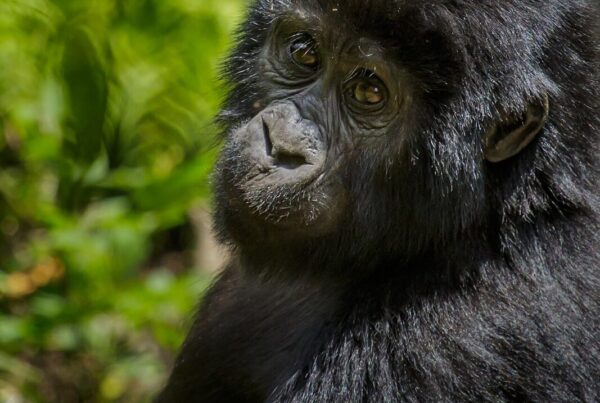
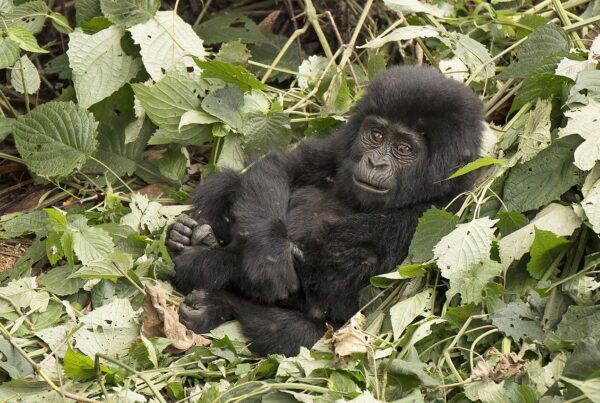
Uganda’s eco-tourism is not a marketing label — it is the operational mechanism by which mountain gorilla conservation functions, because the communities living on the edges of the gorilla forest will only choose to protect rather than encroach upon it if gorilla tourism delivers more household income than agricultural conversion does, and that calculation depends entirely on how tourism spending is structured and where it flows. This guide covers Uganda’s most genuinely impactful eco-tourism experiences: the programmes where visitor spending delivers traceable community and conservation benefit rather than disappearing into a distant operator’s margin. At the centre of all of it are the habituated gorilla families whose survival is the economic foundation of a tourism ecosystem that touches tens of thousands of community households — and the USD $800 permit that funds rangers, vets, and community benefit distributions every time a visitor enters the forest.
Key Eco-Tourism Highlights
- Community porter hire: USD $15–20 flows directly to gorilla-zone community households
- Bwindi Community Trust (BICT): channels permit revenue to schools, clinics, and water projects
- Gorilla Levy: UWA directs 20% of all gorilla permit revenue to park-adjacent communities
- Batwa Cultural Trail (Mgahinga): all proceeds to Batwa Development Programme
- Community lodges: Buhoma Community Rest Camp, Nkuringo Community Camp — community ownership model
- Buying directly from community craft sellers near sector gates — not lodge gift shops
Uganda is one of East Africa’s most compelling eco-tourism destinations — a country where the infrastructure of responsible wildlife tourism has been built around the fundamental recognition that mountain gorilla conservation can only succeed if the communities adjacent to the gorilla forest derive sufficient economic benefit from the gorillas’ survival to choose protection over agricultural encroachment. The result is a tourism ecosystem where community ownership, forest conservation, wildlife education, and visitor experience are genuinely integrated rather than rhetorically aligned — where the eco-tourism label represents operational reality rather than marketing positioning for many of the destination’s most significant tourism products. This guide covers the top eco-tourism experiences in Uganda for sustainable travellers who want their visit to deliver genuine conservation and community value alongside extraordinary wildlife encounters.
1. Bwindi Community Trust — Community-Embedded Gorilla Tourism Leadership
- Bwindi Impenetrable Community Trust channels gorilla tourism revenue directly to adjacent communities
- Funds school construction, health clinics, water projects, and community microfinance from gorilla revenues
- Visitor activities including community walks, craft workshops, and Batwa cultural experiences
- Model for how gorilla permit revenue can be structured to directly benefit conservation-adjacent communities
- Visit the BICT community centre near Buhoma to understand the community conservation model firsthand
The Bwindi Impenetrable Community Trust is one of the most significant community conservation organisations in East Africa — a model demonstrating how gorilla tourism revenue can be structured to deliver genuine and measurable benefit to the communities adjacent to the gorilla forest whose land use decisions ultimately determine the forest’s long-term integrity. BICT operates through a revenue-sharing arrangement receiving a portion of Uganda Wildlife Authority’s gorilla permit income for distribution to community projects around Bwindi’s perimeter — projects including school construction and maintenance, health facility support, water system installation, and community microfinance funds that provide women’s groups and small enterprises with access to capital unavailable through conventional banking channels. The mechanism directly addresses the economic argument for agricultural encroachment — when communities can calculate that gorilla tourism revenues flowing through BICT deliver more household income than equivalent land would produce in agricultural production, the economic calculus favours forest conservation over conversion.
Visitors can engage directly with BICT’s community programmes through the community walk activities available near Buhoma — guided visits to BICT-supported community projects including schools, health centres, and women’s craft cooperatives that make the conservation investment concrete and visible rather than abstract. These visits provide the most substantive educational experience available on the Uganda gorilla circuit about how community conservation actually functions in practice — more illuminating than any brochure description or documentary summary of the topic. BICT’s community craft cooperative adjacent to the Buhoma sector entrance sells Kigezi basket weaving and other locally made items, with all proceeds flowing directly to women artisan cooperative members. Purchasing from this cooperative rather than Kampala souvenir shops is an entirely direct mechanism for directing visitor spending to the most conservation-aligned community income stream available at Bwindi.
Visit the BICT community centre at Buhoma: Ask your guide to include a stop at the BICT community centre near Buhoma as part of your Bwindi visit. The community programme staff will explain the revenue-sharing model, the active projects receiving support, and the results the programme has delivered in community welfare indicators since its establishment. This hour of community conservation education significantly enriches the intellectual depth of the gorilla trekking experience for visitors who care about the broader system sustaining the mountain gorillas they have come to see.
2. Nkuringo Walking Safaris — Community Lodge Model in Bwindi South Sector
- Community-profit-sharing lodge model in Bwindi’s Nkuringo sector with direct community equity ownership
- A portion of every booking directly funds the Nkuringo Community Conservation and Development Foundation
- Extended forest walking experiences alongside standard gorilla trekking for the most immersive Bwindi stay
- Nkuringo sector gorilla families provide access to gorilla groups distinct from the Buhoma sector visitors
- Spectacular highland valley views from the Nkuringo ridge location above the gorilla forest below
Nkuringo Walking Safaris operates through one of Uganda’s most established and verified community lodge ownership models — the Nkuringo Community Conservation and Development Foundation holds an equity stake in the tourism operation, ensuring that lodge revenue flows directly into community trust funds rather than being routed through charitable discretion or CSR allocation decisions made by a commercially motivated management team. This equity-based community ownership model, combined with a deliberate policy of sourcing food, labour, and services from adjacent communities wherever possible, creates one of the most direct and transparent community benefit mechanisms available at any Uganda safari accommodation. Visitors staying at Nkuringo Walking Safaris can see the community benefit concretely in the community projects visible from the lodge perimeter and documented through the foundation’s annual community investment reports available on request.
The lodge’s walking safari philosophy extends the eco-tourism dimension of the Nkuringo stay beyond the accommodation model into the activity programme — multi-day guided forest walks through Bwindi’s southern sector, community trail experiences with porters from adjacent villages, and extended gorilla habituation experience options that give the most committed eco-tourism visitors a forest immersion impossible to replicate in a standard one-trek lodge stay. The Nkuringo sector’s position on the highland ridge above the gorilla forest provides one of the most spectacular accommodation viewpoints near any gorilla trekking destination anywhere in the world — a landscape of extraordinary visual drama looking down across the valley forest that the gorilla families move through invisibly below, with the DRC’s Virunga peaks occasionally visible above the forest horizon on the clearest dry season days.
Nkuringo is the benchmark eco-tourism lodge at Bwindi: For visitors whose selection criteria for Bwindi accommodation include genuine community ownership, verified conservation linkage, and an extended forest experience beyond the standard one-day gorilla trek, Nkuringo Walking Safaris provides the most defensible eco-tourism credentials of any accommodation option in Bwindi’s four gorilla trekking sectors. Request the community foundation’s annual report when making your booking enquiry to assess the specificity of the community impact documentation before confirming.
3. Bigodi Wetland Sanctuary — Community-Managed Birding Near Kibale Forest
- Community-owned and managed wetland birding sanctuary adjacent to Kibale Forest National Park
- All guide fees and entrance charges remain within the Bigodi community management cooperative
- Over 200 bird species recorded including Albertine Rift endemics and papyrus specialists
- Primate encounters with red-tailed monkey, colobus, and L’Hoest’s monkey during the guided walk
- A model community eco-tourism enterprise generating sustainable income without park extraction
Bigodi Wetland Sanctuary is one of Uganda’s most celebrated community eco-tourism success stories — a papyrus swamp and forest edge system managed entirely by the Kibale Association for Rural and Environmental Development (KAFRED), a community cooperative that was established in 1992 to create a sustainable income alternative to the destructive wetland drainage and timber extraction practices that had previously threatened the area. Every shilling paid by visitors for the Bigodi guided walk entrance fee and local guide fee flows directly into KAFRED’s community management fund, which finances ranger salaries, wetland maintenance, and community development projects in the villages adjacent to the sanctuary. The model has been documented by multiple conservation organisations as evidence that community management of natural resources — without the national park regulatory framework — can generate conservation outcomes comparable to formally protected areas when community economic incentives are properly aligned with habitat protection.
The birding experience at Bigodi is extraordinary for the access it provides — the boardwalk trail through papyrus and along the wetland edge is 4 kilometres long and typically takes 2 hours with an experienced KAFRED guide who knows the specific locations of the most reliable species. Papyrus Gonolek, Papyrus Yellow Warbler, Grey-crowned Crane, White-winged Warbler, and Shoebill (occasionally, and with some luck) are among the outstanding targets for the papyrus specialist, while the forest edge section adds Albertine Rift endemic species from the adjacent Kibale Forest fringe. Red-tailed monkeys and black-and-white colobus are encountered regularly during the Bigodi walk in the trees overhanging the wetland margin, adding a primate dimension that makes the walk valuable even for visitors whose interest is primarily in mammals rather than birds. Bigodi should be considered a mandatory component of any Kibale Forest visit rather than an optional extra to be skipped if time is limited.
Bigodi is mandatory at Kibale: Schedule the Bigodi Wetland walk as your afternoon activity on the day of arrival at Kibale Forest — the 3pm to 5pm window captures the late afternoon bird activity peak at the wetland edge. The KAFRED guide office is located 4 kilometres from Kibale’s Kanyanchu entrance on the Bigodi road. Pay the entrance fee and guide fee directly at the KAFRED office to ensure the full amount reaches the community management fund without intermediary handling.
4. Batwa Cultural Trail at Mgahinga — Indigenous Heritage and Forest Conservation
- Batwa-led cultural experience documenting the forest knowledge of Uganda’s original gorilla forest dwellers
- All programme fees flow directly to the Batwa Development Programme managing the cultural trail
- Batwa guides demonstrate fire-making, forest medicine, honey extraction, and traditional hunting techniques
- A profound and complex cultural encounter addressing indigenous displacement and conservation history
- Available at Mgahinga Gorilla National Park in combination with gorilla trekking in the Virunga sector
The Batwa Cultural Trail at Mgahinga Gorilla National Park is among the most intellectually and emotionally significant eco-tourism experiences available in Uganda — a programme acknowledging the complex history of the Batwa people, who lived as forest hunter-gatherers in the Bwindi and Mgahinga gorilla forest for thousands of years before national park gazettement in 1991 relocated them to the forest margins without the forest access their livelihood system depended upon. The trail is led by Batwa guides in traditional dress who demonstrate the forest knowledge and survival skills accumulated across generations of forest life — fire-making from forest materials, medicinal plant identification and use, honey extraction from forest bee colonies, and the demonstration of hunting and gathering practices that sustained a complete culture within the ecosystem that gorilla conservation has now made exclusively wildlife-focused. The experience is emotionally complex, educationally rich, and ethically important for visitors who want to understand the full social and political context of gorilla conservation rather than experiencing the gorilla encounter in isolation from the human consequences of the conservation decisions made to protect it.
All fees from the Batwa Trail flow through the Batwa Development Programme, which was established to provide economic alternatives to forest livelihood practices and to fund community health, education, and agricultural development for the displaced Batwa communities. The economic vulnerability of the Batwa — historically the most marginalised ethnic group in Uganda’s southwest — makes the tourist income from the cultural trail programme disproportionately significant for individual community members compared to the marginal impact of the same fee amount on the broader gorilla tourism economy. Visiting the Batwa Trail is therefore one of the highest social-impact responsible tourism choices available in the Uganda gorilla zone for any visitor who prioritises directing their tourist spending toward the communities most in need of the economic integration that gorilla tourism can provide.
Combine Batwa Trail with Mgahinga gorilla trekking: The Batwa Trail at Mgahinga is most meaningfully experienced in combination with a gorilla trek in the Virunga sector of the same national park — spending the morning trekking through the forest with the gorillas and the afternoon understanding the indigenous human culture that shared the forest with those same gorilla families across generations creates a complete and deeply satisfying understanding of the Albertine Rift forest ecosystem as a place where both human and animal life has been shaped by the forest’s extraordinary ecological richness.
5. Uganda Community Tourism and Homestay Experiences — Living With Local Families
- Community homestay programmes in Buhoma, Nkuringo, and other Bwindi sector villages
- Overnight stays with local farming families provide the most direct community economic linkage possible
- Home cooking, farming activities, community market visits, and school interactions available
- Proceeds from homestay fees managed by local community tourism associations
- Not for every visitor, but deeply rewarding for sustainable travellers wanting immersion over comfort
Community homestay programmes in the villages adjacent to Bwindi’s gorilla trekking sectors represent the most direct form of community eco-tourism integration available in Uganda — an overnight stay with a local farming family where the tourism exchange is the most economically direct and socially immediate of any accommodation option on the gorilla circuit. Homestay programmes managed by community tourism associations in Buhoma and the Nkuringo area place visitors in participating family homes where meals are prepared from the family’s own garden produce, the evening may include cultural demonstration of local music or traditional activities, and the morning provides a lived view of the agricultural and domestic life of the community adjacent to the gorilla forest. The entire homestay fee — typically USD 30 to USD 50 per night — flows directly to the hosting family rather than through an accommodation operator, making it the most efficient mechanism available for directing visitor spending to community households.
Homestay programmes are not for every safari visitor — the accommodation is basic, the cooking is simple, and the absence of the lodge amenities that most international visitors expect creates a genuinely different and sometimes challenging experience that requires the right mindset to appreciate. For sustainable travellers who specifically want an immersive community engagement alongside their gorilla trekking rather than the wildlife-only experience that lodge-based safaris provide, the homestay option delivers an authenticity and directness of community connection impossible to achieve through any lodge accommodation however community-aligned its ownership structure. The conversations across a family dinner table in a Bwindi farming household — about land, children, the gorillas in the forest above, and the way tourism has changed community life — provide the most textured and honest understanding of what gorilla conservation means to the people who live beside it that any form of Uganda safari visit can deliver.
Book through the community tourism association directly: Contact the Buhoma Community Tourism Association or the equivalent Nkuringo or Rushaga sector community group directly to arrange a homestay — your safari operator can provide current contact details for the relevant community tourism association managing the homestay programme in your chosen Bwindi sector. Homestay arrangements should ideally be confirmed before your travel date rather than arranged on arrival to ensure a participating family is prepared for your visit and the experience has been properly coordinated.
Uganda’s eco-tourism infrastructure is more genuinely community-integrated than most East Africa safari destinations — not because Uganda’s operators and government have been more rhetorically committed to sustainability, but because the specific dynamics of mountain gorilla conservation have created functional economic interdependencies between gorilla tourism and community welfare that make community integration a conservation necessity rather than a voluntary responsibility. The eco-tourism experiences in this guide are the most direct and verified expressions of this integration — the places where visitor spending becomes community income becomes conservation support in the clearest and most traceable way the Uganda gorilla circuit currently provides.
Frequently Asked Questions
Every gorilla permit (USD $800 peak) funds Uganda Wildlife Authority operations including ranger salaries, anti-poaching patrol vehicles and fuel, trail maintenance, veterinary care access through the Mountain Gorilla Veterinary Project, and the community revenue sharing mechanism that distributes 20% of permit income to Local Council areas adjacent to Bwindi and Mgahinga. This community share — approximately USD $160 per permit — is the direct financial argument for why villages surrounding the gorilla forest benefit economically from protecting it rather than converting it to farmland. The Gorilla Levy is one of the most studied wildlife conservation funding models in Africa and has been credited by researchers as central to the mountain gorilla population’s recovery from 620 to over 1,000 individuals between 1989 and 2018. What is the Bwindi Impenetrable Community Trust? The Bwindi Impenetrable Community Trust (BICT) is an NGO that manages community benefit programmes funded partly by gorilla permit revenue shares and partly by direct donor contributions. BICT funds infrastructure projects (school construction and maintenance, health clinic support, water system installation), provides community microfinance for women’s groups and small enterprises, and administers the Batwa Development Programme supporting Bwindi’s displaced indigenous Batwa community. Visitors can tour the BICT community centre near Buhoma, participate in community walks arranged through BICT, and purchase directly from BICT-supported craft cooperatives where the return to producers is higher than through lodge gift shops. What is a community-owned lodge in Uganda and why does it matter? Community-owned lodges are accommodation facilities whose profits flow primarily to local community trust funds rather than to distant private operators or foreign investors. Examples at Bwindi include Buhoma Community Rest Camp (owned by Buhoma Community Campsite Trust), Nkuringo Community Camp (owned by a local community association), and the Rushaga Gorilla Camp model. Staying at a community lodge rather than a purely commercial lodge directs accommodation spending toward the same community economic argument that makes forest conservation financially rational for local landholders. The quality gap between community and commercial lodges has narrowed considerably — community lodges at Bwindi now offer reliable hot water, comfortable beds, and good food at rates below commercial operators in equivalent sectors. Is gorilla trekking really eco-tourism or just wildlife tourism with an eco label? Uganda’s gorilla trekking is among the best-documented examples of genuine conservation-linked tourism in the world — the population growth from 620 (1989) to 1,063 (2018) is verifiably correlated with the expansion of the habituated family system, ranger protection funded by permit revenue, and community benefit programmes that reduced agricultural encroachment incentives. The “eco” label is not marketing here — it is an outcome description supported by two decades of published conservation biology research. That said, not every Uganda safari operator has the same community integration, local employment practices, or conservation contribution — the eco-tourism quality varies by operator choice, which is why choosing a UTB-registered, AUTO-member operator with a transparent community benefit programme matters more in Uganda than in many other destinations. What is the most impactful eco-tourism choice a Uganda visitor can make? The highest-impact single choice is hiring a community porter at your gorilla trek — USD $15–20 that goes entirely to an individual household in a community adjacent to the forest. The porter’s income is direct, immediate, and personal in a way that permit revenue (pooled and distributed through UWA channels) and lodge spending (partly employed locally, partly captured by operators) is not. The second highest-impact choice is buying crafts directly from community sellers near sector gates rather than from lodge gift shops, where the community markup captures a larger share of the purchase price. Third is choosing a community-owned lodge or a private lodge with a documented community employment programme for all positions, not just guides. Support conservation through your visit Uganda Gorilla Families — the animals your eco-tourism choices protect Gorilla Permit Guide — where your USD $800 goes Bwindi Sector Comparison — sectors with community lodge options Full Safari Cost Guide — budget for porter hire and community spending Safari Itineraries — community-integrated trip shapes Further Reading Adventure Travel Experiences for 18–30’s Travellers in Africa Best Uganda Safari Experiences for Senior Travellers Sustainable Tourism: Protecting Our Planet While Exploring Its Wonders Safaris That Offer Unique Wildlife Experiences in Uganda: Beyond the Ordinary Top African Wildlife Experiences Uganda Gorilla Trekking: The Experience 3,000 Travellers Rated 5 Stars Uganda Gorilla Trekking for Solo Travellers: The No-Group Option Uganda Gorilla Trekking from Amsterdam: Dutch Travellers Complete Guide While the World Watches the War, These Travellers Are Quietly… Why Savvy Travellers Are Ditching Middle East Holidays for Uganda Safaris in 2026 <
The Bwindi Impenetrable Community Trust (BICT) is an NGO that manages community benefit programmes funded partly by gorilla permit revenue shares and partly by direct donor contributions. BICT funds infrastructure projects (school construction and maintenance, health clinic support, water system installation), provides community microfinance for women’s groups and small enterprises, and administers the Batwa Development Programme supporting Bwindi’s displaced indigenous Batwa community. Visitors can tour the BICT community centre near Buhoma, participate in community walks arranged through BICT, and purchase directly from BICT-supported craft cooperatives where the return to producers is higher than through lodge gift shops. What is a community-owned lodge in Uganda and why does it matter? Community-owned lodges are accommodation facilities whose profits flow primarily to local community trust funds rather than to distant private operators or foreign investors. Examples at Bwindi include Buhoma Community Rest Camp (owned by Buhoma Community Campsite Trust), Nkuringo Community Camp (owned by a local community association), and the Rushaga Gorilla Camp model. Staying at a community lodge rather than a purely commercial lodge directs accommodation spending toward the same community economic argument that makes forest conservation financially rational for local landholders. The quality gap between community and commercial lodges has narrowed considerably — community lodges at Bwindi now offer reliable hot water, comfortable beds, and good food at rates below commercial operators in equivalent sectors. Is gorilla trekking really eco-tourism or just wildlife tourism with an eco label? Uganda’s gorilla trekking is among the best-documented examples of genuine conservation-linked tourism in the world — the population growth from 620 (1989) to 1,063 (2018) is verifiably correlated with the expansion of the habituated family system, ranger protection funded by permit revenue, and community benefit programmes that reduced agricultural encroachment incentives. The “eco” label is not marketing here — it is an outcome description supported by two decades of published conservation biology research. That said, not every Uganda safari operator has the same community integration, local employment practices, or conservation contribution — the eco-tourism quality varies by operator choice, which is why choosing a UTB-registered, AUTO-member operator with a transparent community benefit programme matters more in Uganda than in many other destinations. What is the most impactful eco-tourism choice a Uganda visitor can make? The highest-impact single choice is hiring a community porter at your gorilla trek — USD $15–20 that goes entirely to an individual household in a community adjacent to the forest. The porter’s income is direct, immediate, and personal in a way that permit revenue (pooled and distributed through UWA channels) and lodge spending (partly employed locally, partly captured by operators) is not. The second highest-impact choice is buying crafts directly from community sellers near sector gates rather than from lodge gift shops, where the community markup captures a larger share of the purchase price. Third is choosing a community-owned lodge or a private lodge with a documented community employment programme for all positions, not just guides. Support conservation through your visit Uganda Gorilla Families — the animals your eco-tourism choices protect Gorilla Permit Guide — where your USD $800 goes Bwindi Sector Comparison — sectors with community lodge options Full Safari Cost Guide — budget for porter hire and community spending Safari Itineraries — community-integrated trip shapes Further Reading Adventure Travel Experiences for 18–30’s Travellers in Africa Best Uganda Safari Experiences for Senior Travellers Sustainable Tourism: Protecting Our Planet While Exploring Its Wonders Safaris That Offer Unique Wildlife Experiences in Uganda: Beyond the Ordinary Top African Wildlife Experiences Uganda Gorilla Trekking: The Experience 3,000 Travellers Rated 5 Stars Uganda Gorilla Trekking for Solo Travellers: The No-Group Option Uganda Gorilla Trekking from Amsterdam: Dutch Travellers Complete Guide While the World Watches the War, These Travellers Are Quietly… Why Savvy Travellers Are Ditching Middle East Holidays for Uganda Safaris in 2026 <
Community-owned lodges are accommodation facilities whose profits flow primarily to local community trust funds rather than to distant private operators or foreign investors. Examples at Bwindi include Buhoma Community Rest Camp (owned by Buhoma Community Campsite Trust), Nkuringo Community Camp (owned by a local community association), and the Rushaga Gorilla Camp model. Staying at a community lodge rather than a purely commercial lodge directs accommodation spending toward the same community economic argument that makes forest conservation financially rational for local landholders. The quality gap between community and commercial lodges has narrowed considerably — community lodges at Bwindi now offer reliable hot water, comfortable beds, and good food at rates below commercial operators in equivalent sectors. Is gorilla trekking really eco-tourism or just wildlife tourism with an eco label? Uganda’s gorilla trekking is among the best-documented examples of genuine conservation-linked tourism in the world — the population growth from 620 (1989) to 1,063 (2018) is verifiably correlated with the expansion of the habituated family system, ranger protection funded by permit revenue, and community benefit programmes that reduced agricultural encroachment incentives. The “eco” label is not marketing here — it is an outcome description supported by two decades of published conservation biology research. That said, not every Uganda safari operator has the same community integration, local employment practices, or conservation contribution — the eco-tourism quality varies by operator choice, which is why choosing a UTB-registered, AUTO-member operator with a transparent community benefit programme matters more in Uganda than in many other destinations. What is the most impactful eco-tourism choice a Uganda visitor can make? The highest-impact single choice is hiring a community porter at your gorilla trek — USD $15–20 that goes entirely to an individual household in a community adjacent to the forest. The porter’s income is direct, immediate, and personal in a way that permit revenue (pooled and distributed through UWA channels) and lodge spending (partly employed locally, partly captured by operators) is not. The second highest-impact choice is buying crafts directly from community sellers near sector gates rather than from lodge gift shops, where the community markup captures a larger share of the purchase price. Third is choosing a community-owned lodge or a private lodge with a documented community employment programme for all positions, not just guides. Support conservation through your visit Uganda Gorilla Families — the animals your eco-tourism choices protect Gorilla Permit Guide — where your USD $800 goes Bwindi Sector Comparison — sectors with community lodge options Full Safari Cost Guide — budget for porter hire and community spending Safari Itineraries — community-integrated trip shapes Further Reading Adventure Travel Experiences for 18–30’s Travellers in Africa Best Uganda Safari Experiences for Senior Travellers Sustainable Tourism: Protecting Our Planet While Exploring Its Wonders Safaris That Offer Unique Wildlife Experiences in Uganda: Beyond the Ordinary Top African Wildlife Experiences Uganda Gorilla Trekking: The Experience 3,000 Travellers Rated 5 Stars Uganda Gorilla Trekking for Solo Travellers: The No-Group Option Uganda Gorilla Trekking from Amsterdam: Dutch Travellers Complete Guide While the World Watches the War, These Travellers Are Quietly… Why Savvy Travellers Are Ditching Middle East Holidays for Uganda Safaris in 2026 <
Uganda’s gorilla trekking is among the best-documented examples of genuine conservation-linked tourism in the world — the population growth from 620 (1989) to 1,063 (2018) is verifiably correlated with the expansion of the habituated family system, ranger protection funded by permit revenue, and community benefit programmes that reduced agricultural encroachment incentives. The “eco” label is not marketing here — it is an outcome description supported by two decades of published conservation biology research. That said, not every Uganda safari operator has the same community integration, local employment practices, or conservation contribution — the eco-tourism quality varies by operator choice, which is why choosing a UTB-registered, AUTO-member operator with a transparent community benefit programme matters more in Uganda than in many other destinations. What is the most impactful eco-tourism choice a Uganda visitor can make? The highest-impact single choice is hiring a community porter at your gorilla trek — USD $15–20 that goes entirely to an individual household in a community adjacent to the forest. The porter’s income is direct, immediate, and personal in a way that permit revenue (pooled and distributed through UWA channels) and lodge spending (partly employed locally, partly captured by operators) is not. The second highest-impact choice is buying crafts directly from community sellers near sector gates rather than from lodge gift shops, where the community markup captures a larger share of the purchase price. Third is choosing a community-owned lodge or a private lodge with a documented community employment programme for all positions, not just guides. Support conservation through your visit Uganda Gorilla Families — the animals your eco-tourism choices protect Gorilla Permit Guide — where your USD $800 goes Bwindi Sector Comparison — sectors with community lodge options Full Safari Cost Guide — budget for porter hire and community spending Safari Itineraries — community-integrated trip shapes Further Reading Adventure Travel Experiences for 18–30’s Travellers in Africa Best Uganda Safari Experiences for Senior Travellers Sustainable Tourism: Protecting Our Planet While Exploring Its Wonders Safaris That Offer Unique Wildlife Experiences in Uganda: Beyond the Ordinary Top African Wildlife Experiences Uganda Gorilla Trekking: The Experience 3,000 Travellers Rated 5 Stars Uganda Gorilla Trekking for Solo Travellers: The No-Group Option Uganda Gorilla Trekking from Amsterdam: Dutch Travellers Complete Guide While the World Watches the War, These Travellers Are Quietly… Why Savvy Travellers Are Ditching Middle East Holidays for Uganda Safaris in 2026 <
The highest-impact single choice is hiring a community porter at your gorilla trek — USD $15–20 that goes entirely to an individual household in a community adjacent to the forest. The porter’s income is direct, immediate, and personal in a way that permit revenue (pooled and distributed through UWA channels) and lodge spending (partly employed locally, partly captured by operators) is not. The second highest-impact choice is buying crafts directly from community sellers near sector gates rather than from lodge gift shops, where the community markup captures a larger share of the purchase price. Third is choosing a community-owned lodge or a private lodge with a documented community employment programme for all positions, not just guides. Support conservation through your visit Uganda Gorilla Families — the animals your eco-tourism choices protect Gorilla Permit Guide — where your USD $800 goes Bwindi Sector Comparison — sectors with community lodge options Full Safari Cost Guide — budget for porter hire and community spending Safari Itineraries — community-integrated trip shapes Further Reading Adventure Travel Experiences for 18–30’s Travellers in Africa Best Uganda Safari Experiences for Senior Travellers Sustainable Tourism: Protecting Our Planet While Exploring Its Wonders Safaris That Offer Unique Wildlife Experiences in Uganda: Beyond the Ordinary Top African Wildlife Experiences Uganda Gorilla Trekking: The Experience 3,000 Travellers Rated 5 Stars Uganda Gorilla Trekking for Solo Travellers: The No-Group Option Uganda Gorilla Trekking from Amsterdam: Dutch Travellers Complete Guide While the World Watches the War, These Travellers Are Quietly… Why Savvy Travellers Are Ditching Middle East Holidays for Uganda Safaris in 2026 <