The Democratic Republic of Congo holds more mountain gorillas than Uganda and Rwanda combined — yet it attracts a fraction of the gorilla tourism visitors. The DRC’s Virunga National Park, Africa’s oldest national park and a UNESCO World Heritage Site, has been the site of extraordinary conservation work against a backdrop of armed conflict that has made reliable tourism virtually impossible for decades. Understanding the DRC’s gorilla tourism situation illuminates why Uganda and Rwanda dominate the market and what might change as the security situation evolves.
The gorilla population in DRC: what the numbers say
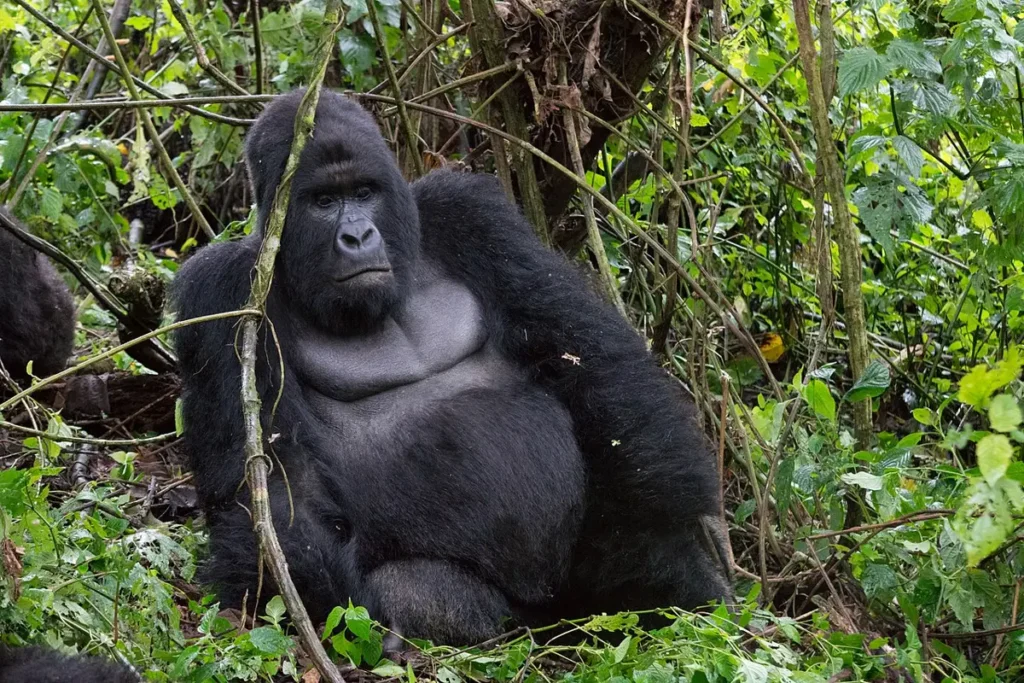
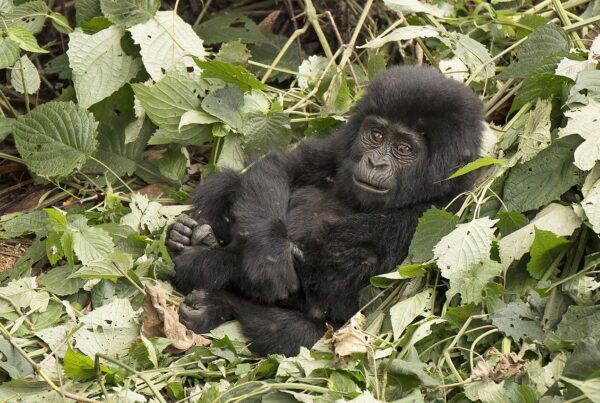
The Virunga mountain gorilla population — shared across Rwanda’s Volcanoes National Park, Uganda’s Mgahinga Gorilla National Park and DRC’s Virunga National Park — numbers approximately 604 individuals as of the most recent census. Of these, a significant proportion occupy DRC’s portion of the Virunga landscape, making the DRC an important gorilla range state even as it remains inaccessible for most tourism purposes. Eastern Congo also holds populations of Grauer’s gorillas (eastern lowland gorillas) — a different, more numerous subspecies at serious risk — in forests further west. Congo’s total gorilla diversity exceeds that of any other country, yet the country’s tourism infrastructure captures only a small fraction of the global gorilla tourism market.
Why Virunga has been largely closed to tourism
Virunga National Park sits in North Kivu province, one of the most conflict-affected regions of Africa. Since the late 1990s, the park has been the operational zone for multiple armed groups — including M23, FDLR and various Mayi-Mayi factions — whose activities have made ranger work dangerous and tourist access intermittently impossible. Rangers of the Institut Congolais pour la Conservation de la Nature (ICCN) have suffered the highest ranger casualty rate of any protected area in the world; over 200 rangers have been killed in Virunga over the past two decades. Tourism has opened and closed multiple times as security improved and then deteriorated. In 2018, kidnappings of tourists led to a tourism suspension that lasted several years.
The $400 permit and what it reflects
When Virunga has been open to gorilla tourism, the permit price has been set at $400 — half Uganda’s rate and a quarter of Rwanda’s. This is partly a reflection of DRC’s less developed tourism infrastructure, partly a marketing decision to attract visitors who choose DRC over its neighbours on price, and partly an acknowledgement of the security premium that visitors are accepting by travelling there. The lower permit fee does not represent lower conservation value — it represents a pricing strategy for a destination competing against the established markets of Uganda and Rwanda with a significant inherent disadvantage in the security premium that visitors must accept.
The rangers who make gorilla conservation possible in DRC
The conservation story of Virunga is inseparable from its rangers — men and women who continue patrolling and monitoring gorillas in an active conflict zone. The Virunga Alliance, established by the park’s director Emmanuel de Merode, has been working to transform gorilla conservation into a broader economic development model that gives communities financial alternatives to poaching and collaboration with armed groups. The rangers’ story has been documented in the documentary Virunga (2014), which brought international attention to both the conservation work and the extraordinary dangers facing those who carry it out. The film remains essential viewing for anyone interested in the political economy of gorilla conservation in its most difficult context.
What it would take for DRC to become a mainstream gorilla tourism destination
The conditions that would allow Virunga to develop into a reliable gorilla tourism destination — comparable in accessibility to Uganda or Rwanda — are primarily political rather than logistical. The gorillas are there; the forest is extraordinary; the infrastructure, while limited, is developing. What is absent is the sustained security that allows operators to sell permits and manage itineraries with confidence. A genuine peace settlement in North Kivu, followed by several years of demonstrated stability, would likely trigger rapid development of Virunga’s tourism potential. Until that stability materialises, the DRC will continue to hold a disproportionate share of the world’s mountain gorillas while attracting a disproportionately small share of the visitors who want to see them.