Updated
Uganda’s position at the heart of East Africa — bordered by Kenya, Tanzania, Rwanda, DRC, South Sudan and the Congo Basin — makes it a natural anchor for multi-country safari itineraries that combine the gorilla trekking experience with the complementary wildlife of the broader region. These are the best multi-country routes that include Uganda gorilla trekking.
Uganda + Rwanda: the gorilla double
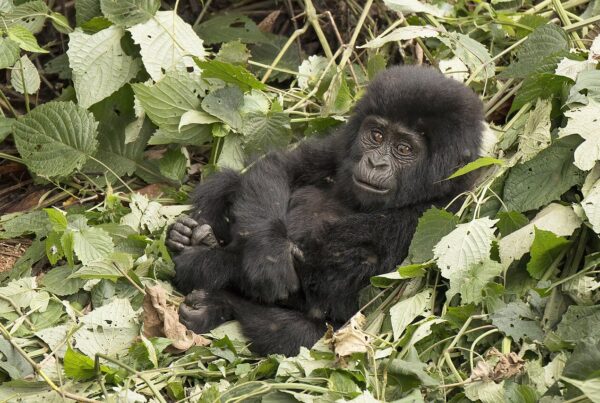
The most popular cross-border combination in Africa: gorilla trekking in Uganda’s Bwindi Impenetrable Forest and gorilla trekking in Rwanda’s Volcanoes National Park. The two experiences are distinct — Bwindi’s forest is denser and more rugged; Volcanoes is more open with the Virunga volcanoes as backdrop. The border crossing from Kisoro (Uganda) to Musanze (Rwanda) takes two to three hours. Eight to ten days is adequate; adding golden monkey trekking at Mgahinga (Uganda) or in Volcanoes NP (Rwanda) fills the non-gorilla days without diversion.
Uganda + Kenya: gorillas and the Masai Mara
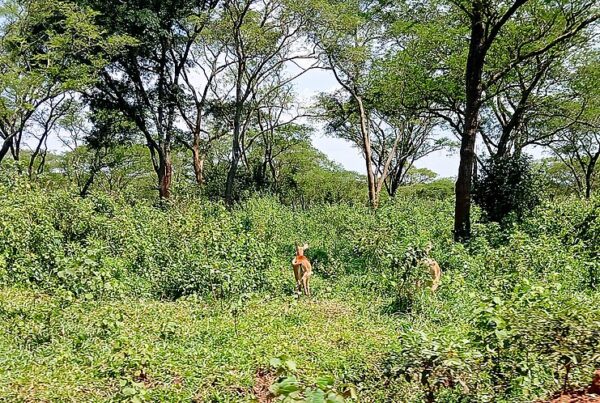
Combining Bwindi gorilla trekking with a Kenya safari — typically the Masai Mara for the Great Migration or Amboseli for elephants with Kilimanjaro — requires flying between the countries (Entebbe to Nairobi takes one hour). Ten to twelve days allows three to four days at Bwindi, a transit night in Nairobi or Entebbe, and four to five days in Kenya. The combination delivers the most comprehensive range of African wildlife experiences — mountain gorillas, Big Five, wildebeest migration — available on a single trip.
Uganda + Tanzania: gorillas and the Serengeti
A longer combination requiring twelve to fourteen days, connecting Bwindi gorilla trekking with Tanzania’s Serengeti and Ngorongoro Crater. Flying between the countries (Entebbe to Kilimanjaro or Arusha) takes two hours. The Tanzania component adds cheetahs, wild dogs, black rhinos (in Ngorongoro), and the Serengeti’s extraordinary lion and leopard density to a trip that has already delivered mountain gorillas at Bwindi.
Uganda + DRC: the advanced gorilla circuit
Virunga National Park in eastern DRC — one hour from the Rwanda-DRC border crossing from Volcanoes NP — offers gorilla trekking, active volcano hiking on Mount Nyiragongo, and chimpanzee tracking in a park with extraordinary wildlife density but significant security considerations. The DRC combination is appropriate for experienced Africa travellers with updated security briefings and comprehensive travel insurance. When conditions permit, the Uganda-Rwanda-DRC triangle constitutes the most complete gorilla-country experience available anywhere.
Building a multi-country itinerary
The key planning principle for multi-country Africa safaris is to minimise transit time relative to wildlife time — each day in a vehicle or airport is a day not in the field. Charter flights between parks and countries eliminate the overland transit problem for most Uganda combinations. A specialist multi-country operator can coordinate permits, accommodation, flights and border logistics across all countries on a single booking, which is strongly recommended for itineraries involving more than two countries.
- Kenya Tanzania Uganda Safari: The Ultimate East Africa Trip
- Pre-colonial trade routes of East Africa: how Uganda was connected to the world
- 3 Days Congo Gorilla Trekking Safari: Raw Encounters in Africa’s Wildest Jungle
- Uganda Birding Safari — 22-Days: A Journey Into the Feathered Soul of Africa
- Wildlife Safaris: What to See, Expect, Prepare & Plan — Plus Where to Go in Africa
- Uganda Cycling Safaris: Pedal into the Heart of Africa’s Untamed Beauty
- Africa Adventure Safaris and Tours
- What is the East Africa Tourist Visa?
- 50 Wild Animals You Must See on an African Safari
- African Safari Quotes 101 to Inspire Your Wildest Wanderlust Dreams
Multi-country safari routes combining Uganda with neighbouring destinations work most effectively when the connecting logic is ecological rather than purely geographic. The Uganda-Rwanda gorilla circuit — trekking at Bwindi and then continuing to Volcanoes National Park — provides a direct comparison between the same species in different forest settings with different management approaches. The Uganda-Kenya combination allows visitors to contrast Uganda’s forest-based, primate-focused wildlife with Kenya’s open savannah megafauna — a contrast that produces a more complete picture of East Africa’s ecological diversity than either country alone. The Uganda-Tanzania route is longer but justifiable for travellers who want to combine the gorilla encounter with the Serengeti’s migration spectacle in a single trip.
Multi-country East Africa safari routes that anchor on Uganda’s gorilla trekking typically structure the itinerary around the Bwindi sector choice and then build outward: Kigali as the international entry point for visitors coming from Europe, with Rwanda’s Volcanoes National Park as an optional addition; Nairobi for visitors combining Kenya’s Masai Mara with Uganda’s southwest; or a comprehensive loop that includes Tanzania’s northern circuit before crossing into Uganda via the Masaka highway. The overland route options between Uganda and its neighbours are more varied and functional than most international visitors realise before trip planning begins.