Updated
Uganda has two main beadwork traditions that visitors meet. Paper beads, rolled by hand from strips of recycled paper and varnished, are made by thousands of women across the country, especially in and around Kampala and near the parks, and sold as colourful necklaces and bracelets. In the north-east, the Karamojong and related pastoralist peoples wear dense glass-bead necklaces, collars and earrings whose colours and styles signal age, status and identity. Here is what to look for and how to buy authentic pieces.
Paper beads
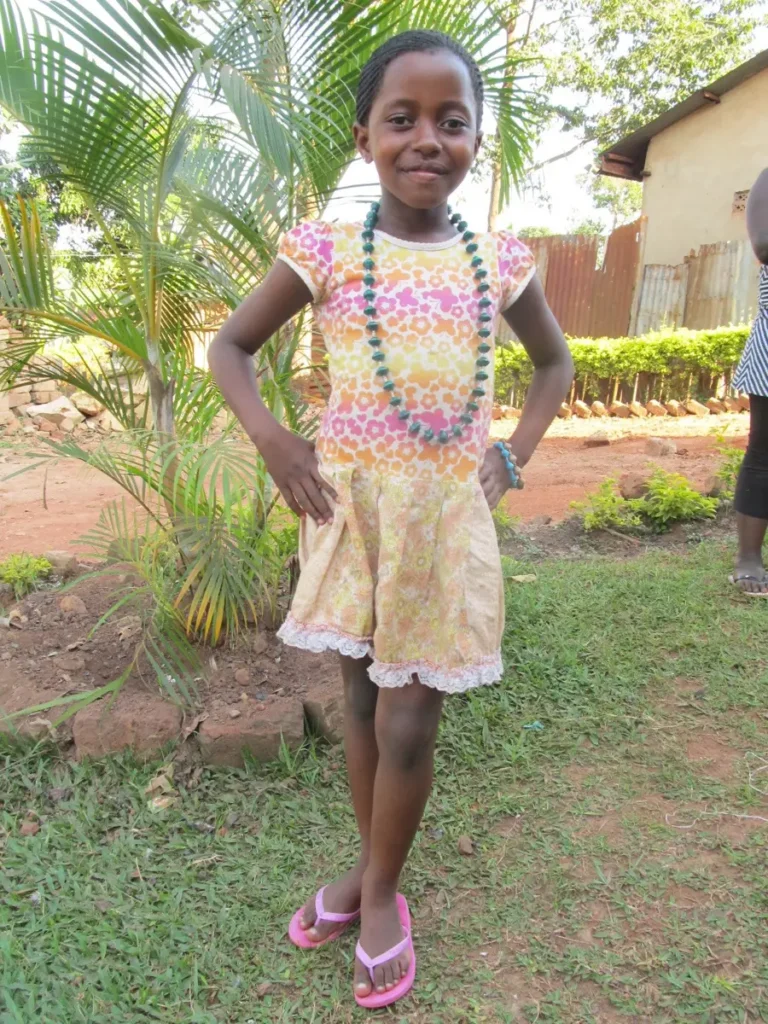
Paper beads are made by cutting long tapering strips from magazines, posters or coloured paper, rolling them tightly around a thin stick, gluing the end, and coating them with varnish to make them hard and water-resistant. The shape of the strip decides the bead’s shape. From the early 2000s, several social enterprises and women’s groups built businesses around paper beads, providing income for women in poor urban areas and camps for displaced people. They are light, cheap and easy to pack.
Karamojong beadwork
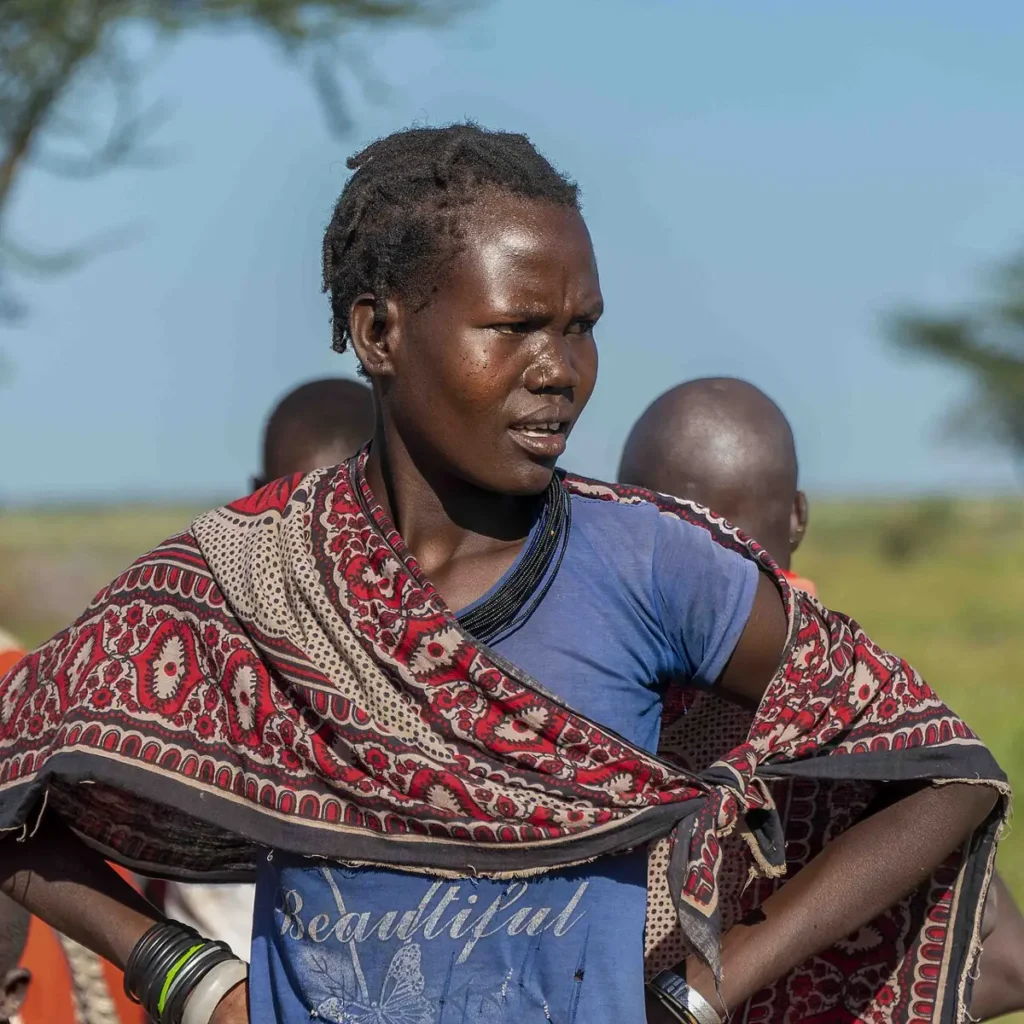
Among the Karamojong, women wear many strands of small glass beads around the neck, sometimes in thick collars, and men wear beaded headbands and ornaments. Colours and patterns vary between groups and generations, and beads are often given at important life stages. Visitors to Kidepo or Moroto can see beadwork worn every day and buy pieces from community craft groups. See our guide to Karamojong culture.
How to buy authentic pieces
Buy from women’s groups, community craft shops near the parks and fair-trade outlets that can tell you who made the item. Handmade paper beads vary slightly in size and shape; perfectly uniform plastic beads are a sign of factory goods. Pay a fair price rather than bargaining hard with cooperatives. Near Bwindi, craft shops at the park gates often sell beadwork made by local women, including Batwa groups. See our guides to ethical craft shopping and bark cloth.
Gifts with a story
Bead jewellery makes an easy gift to carry home, and buying directly helps families around the parks benefit from tourism, which supports gorilla conservation. The gorilla permit costs US$800, or US$600 in April, May and November. See our guide to gorilla tourism and local communities.
Frequently asked questions
Beads hand-rolled from strips of recycled paper and varnished.
Mainly women’s groups; glass-bead work is a Karamojong tradition.
Handmade beads vary slightly in size and shape.
At community craft shops near the park gates.