Updated
Uganda’s best crafts include bark cloth from Buganda, woven baskets and mats, banana-fibre and papyrus work, paper-bead jewellery, carvings, drums and colourful kitenge fabric. To buy ethically, buy directly from community groups near the national parks, such as women’s craft cooperatives around Bwindi, or from fair-trade shops and craft markets in Kampala that work with named makers. Avoid anything made from wildlife, and be wary of mass-produced items sold as Ugandan.
What to buy
Bark cloth, made by beating the inner bark of the mutuba fig tree, is a UNESCO-recognised Buganda tradition and makes distinctive wall hangings, bags and cards. Woven baskets from banana fibre, raffia and papyrus vary by region, from the tightly coiled baskets of the south-west to larger mats from the east. Paper-bead necklaces and bracelets, made from rolled recycled paper and varnished, support many women’s groups. Drums, wood carvings and gorilla figures make popular gifts. See our guide to bark cloth.
Buying near the gorilla parks
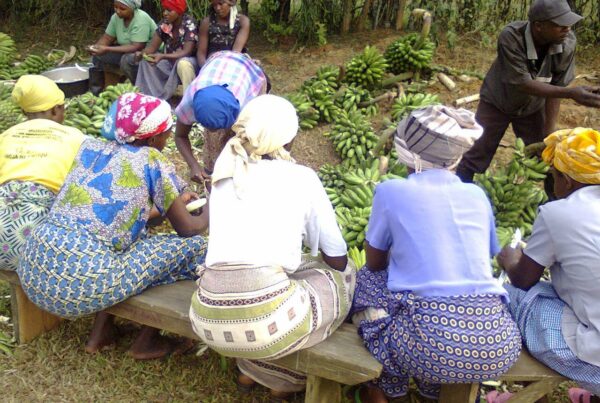
In each Bwindi sector, community craft shops and stalls near the park gates sell baskets, carvings, paper beads and textiles made by local families, often including Batwa groups. Buying there puts money directly into communities that live alongside the gorillas, which is part of what makes conservation work. Ask who made an item and where; genuine makers are usually happy to explain. See our guide to gorilla tourism and local communities.
What to avoid
Never buy items made from ivory, animal skins, horns, shells of protected species or other wildlife parts; they are illegal to export and may fund poaching. Carvings from protected hardwoods can also be a problem. Many generic “African” souvenirs in tourist shops are imported from other countries, so look for signs of local making and ask. Keep receipts for larger purchases, as customs officers may ask about craft items.
Prices and bargaining
In markets, polite bargaining is normal, but avoid hard bargaining with community cooperatives, where prices are usually fair and modest. Carry small notes. The gorilla permit costs US$800, or US$600 in April, May and November; a few dollars more on crafts goes a long way locally. See our guide to Kampala’s Owino Market and Ugandan beadwork.
Frequently asked questions
Bark cloth, woven baskets, paper-bead jewellery, drums and carvings.
From community groups near the parks and fair-trade shops working with named makers.
Anything made from ivory, skins, horns or other wildlife products.
Gently in markets; little or not at all with community cooperatives.