

Updated
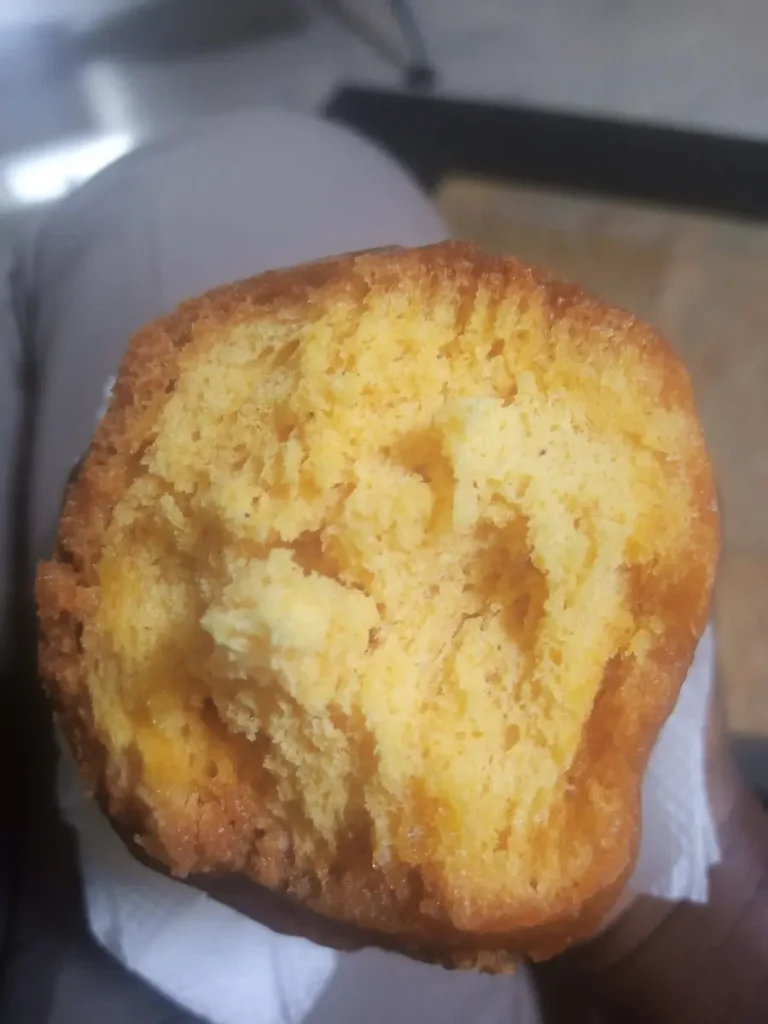
Mandazi are East Africa’s fried doughnuts: lightly sweet, triangular or round pieces of dough made with wheat flour, sugar, milk or water and a raising agent, sometimes flavoured with cardamom or coconut. In Uganda they are a cheap breakfast and tea-time snack, sold from roadside stalls, kiosks and markets, usually eaten with sweet milky tea. They came to East Africa through the Swahili coast and are popular across Uganda, Kenya and Tanzania.
How mandazi are made
The dough is mixed from flour, sugar, a little oil or margarine, milk or water and baking powder or yeast, then rested, rolled out and cut into triangles or squares, or shaped into balls. The pieces are deep-fried until golden and puffed. Coastal versions use coconut milk and cardamom, while Ugandan mandazi are often plainer and denser. Small ball-shaped versions are sometimes called “kabalagala” in Uganda, though that name more strictly refers to banana pancakes made with sweet bananas and cassava flour.

How they are eaten
Mandazi are eaten at breakfast and in the afternoon with chai, tea boiled with milk and sugar, and are a favourite snack on long road journeys. They are also packed into children’s school bags and sold at bus parks. Pairing them with a cup of Ugandan tea is the classic way. See our guide to Ugandan tea.
Where to try them
You will find mandazi at roadside stalls in every town on the way to Bwindi, in Kampala’s markets and at many lodge breakfasts. Buy them fresh and warm from a busy stall with a good turnover. They make an easy snack for the gorilla trek itself, alongside fruit and water. See our guides to Kampala street food and street food on the road to Bwindi.
Other fried snacks
Mandazi share stalls with samosas, chapati, rolex (an omelette rolled in chapati), roasted maize and gonja, roasted plantain. Together they make Ugandan street food cheap and filling. See our guide to the Ugandan rolex. The gorilla permit costs US$800, or US$600 in April, May and November.
Frequently asked questions
A lightly sweet fried dough snack, East Africa’s version of a doughnut.
At breakfast or with afternoon tea.
The Swahili coast of East Africa.
Usually yes; they are made from flour, sugar, milk or water and oil.










