

Updated
Kampala’s best street foods are the rolex (an omelette rolled in chapati), kikomando (chopped chapati with beans), chapati and mandazi with tea, samosas, roasted maize, gonja (roasted plantain), grilled meat skewers called muchomo, kabalagala banana pancakes and, in season, fried grasshoppers called nsenene. Most cost from a few hundred to a few thousand Ugandan shillings, so a filling street meal costs well under US$2. Eat food that is cooked fresh and hot in front of you, from busy stalls, and you will eat very well for very little.
Chapati dishes
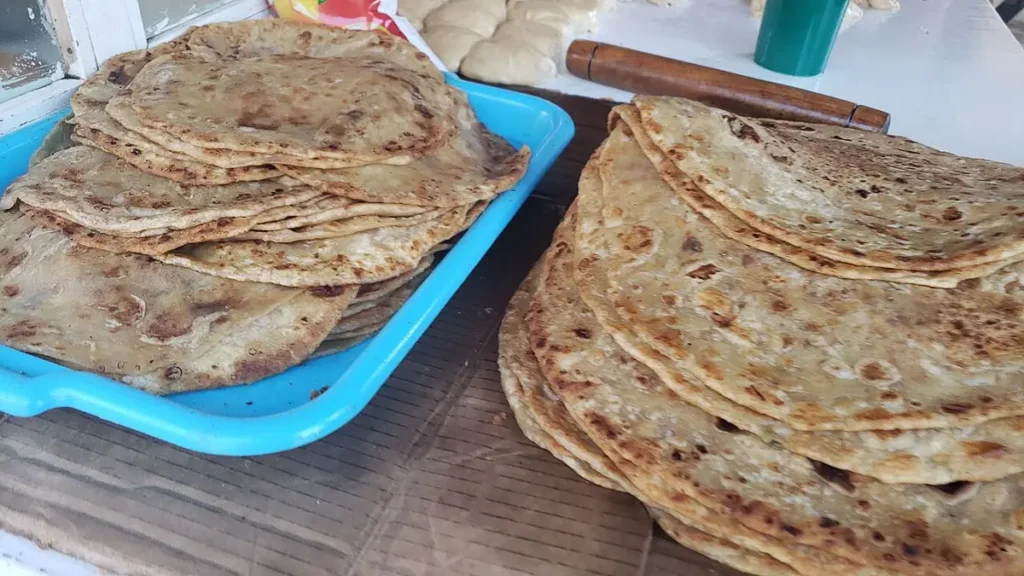
The rolex is the star: a chapati rolled around an omelette with tomato, onion and cabbage, made to order on a griddle, usually for a couple of thousand shillings; see our guide to the Ugandan rolex. Kikomando, a student favourite, is chapati cut into pieces and served with a ladle of beans, cheap and very filling. Plain chapati, a legacy of Uganda’s Indian community, is sold everywhere and goes with almost anything.
Breakfast and snacks
Mandazi, slightly sweet fried dough, often with cardamom or coconut, is eaten with milky spiced tea in the morning. Samosas, filled with minced meat or vegetables, are sold hot at stalls and bus parks. Kabalagala are small pancakes made from sweet banana and cassava flour, a Kampala classic that shares its name with one of the city’s neighbourhoods. Fresh fruit, especially pineapple, passion fruit, mango and small sweet bananas, is cheap and excellent; peel it yourself.

Roasted and grilled
At roadsides and in the evenings, vendors roast maize cobs and gonja, sweet plantains, over charcoal. Muchomo, skewers of grilled goat, beef, chicken or pork, is popular with a cold drink in the evening, often with roasted plantain or cassava. On highways, roadside sellers at stops along the Masaka road sell grilled meat and roasted plantain through bus and car windows, a classic part of the drive west to the gorillas.
Something different: nsenene
Twice a year, roughly around May and November, swarms of long-horned grasshoppers appear, and vendors sell them fried with onion and salt as nsenene. They are crunchy and savoury, a much-loved seasonal snack, especially in Buganda. If you are in Kampala at the right time, you will see them sold by the cupful on street corners.
Plates from local canteens
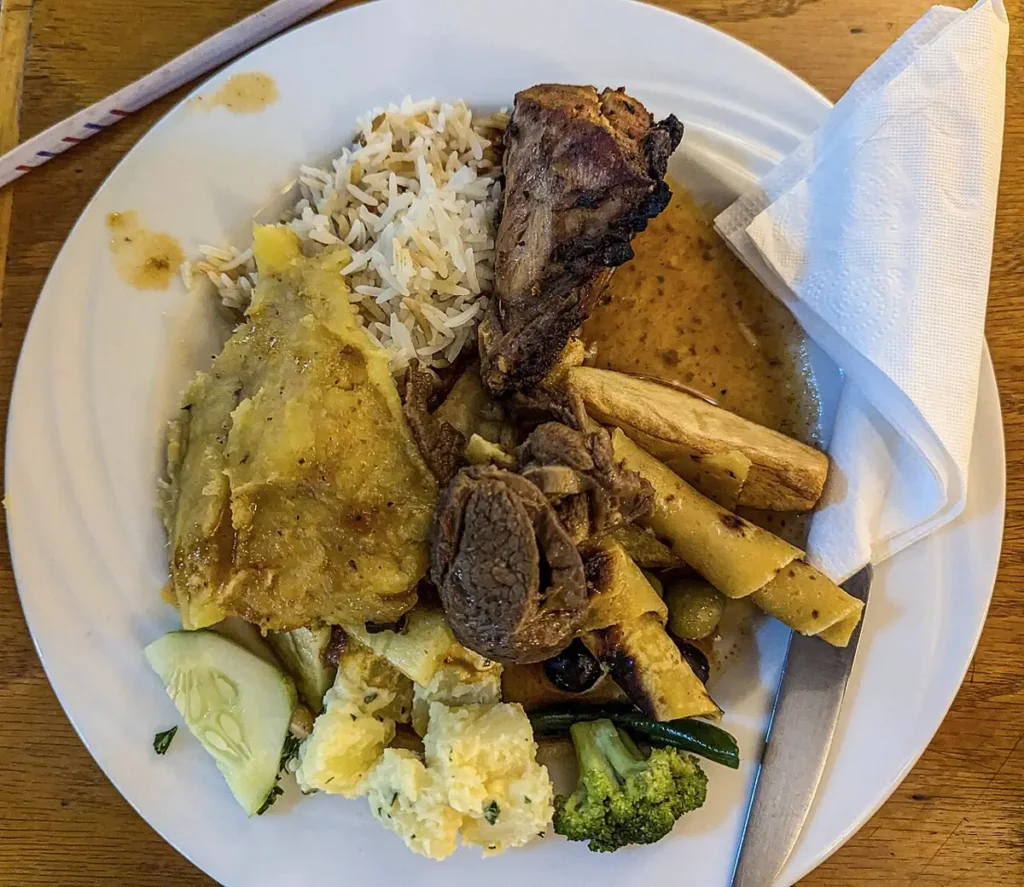
For a sit-down meal, small local restaurants serve plates of matooke, posho, rice, beans, groundnut sauce, greens and meat or fish stews at modest prices, especially around markets and in student areas such as Wandegeya near Makerere University. Ask for a mixed plate if you want to try a bit of everything. See our guides to Ugandan food basics and matooke.
Where and how to eat safely
Street food is everywhere, but markets such as Nakasero, and busy areas around taxi parks and universities, have the most choice. Choose stalls with plenty of customers, food cooked in front of you and served hot, and clean hands and surfaces. Avoid pre-cut fruit and salads left standing, and drink bottled water; see our guide to water safety in Uganda. Carry small notes, keep phones and wallets secure in crowded markets, and ask your guide or hotel for recommendations. Vegetarians can enjoy most of these foods; see our vegetarian food guide.
Frequently asked questions
The rolex, an omelette rolled in a chapati, made to order at roadside stalls.
From a few hundred to a few thousand shillings per item; a filling meal usually costs under US$2.
Fried long-horned grasshoppers, a seasonal snack sold around May and November.
Freshly cooked, hot food from busy stalls is generally a good choice. Avoid pre-cut fruit and salads.










