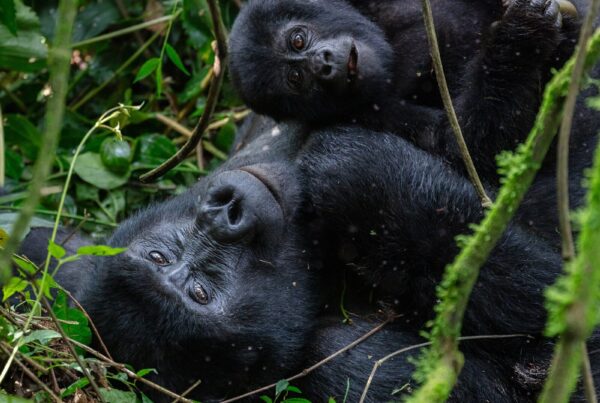
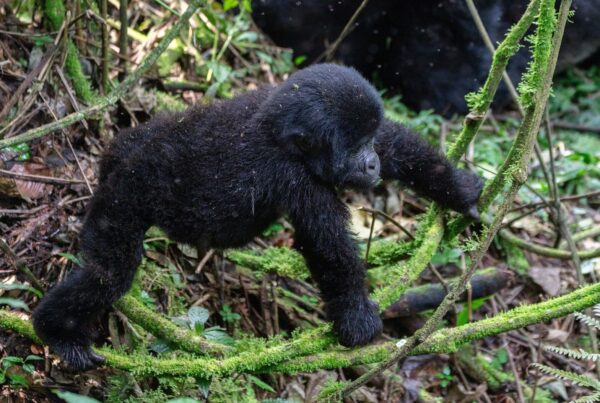
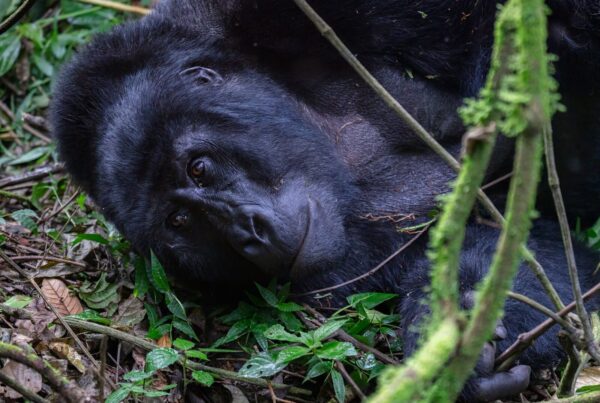
The gorilla trekking day at Bwindi begins at the sector briefing station at 7:00–7:30am — which means a 5:30am wake-up, a lodge breakfast by 6:00am, and a 30–45-minute transfer to the briefing point, a schedule that feels painfully early on the first morning but makes complete biological and logistical sense: gorillas are most active and most visible in the early hours when they feed intensively after the night’s rest, the forest is coolest at this time making the approach trek physically more comfortable, and the tracking teams who have been in the forest since before dawn need the visitor groups to depart from known gorilla positions before the family moves far from the morning report. This guide covers the complete gorilla trek timing from pre-dawn preparation through to lodge return: why the briefing is at 7am, what happens during the briefing, typical approach trek duration by sector, the 60-minute encounter, the return, and the afternoon post-trek schedule. Understanding the full day timeline lets you prepare practically — from setting the right alarm to knowing what to eat for breakfast when you need sustained energy for a potentially 6-hour forest day. Check your sector’s specific timing with the sector guide and confirm your allocated family via the gorilla families guide.
Gorilla Trek Day Timeline
- 5:15–5:30am: Wake-up alarm — earlier than you want, necessary
- 5:45–6:15am: Lodge breakfast — eat a full hot meal; you may not eat again until 2–4pm
- 6:30–7:00am: Transfer from lodge to sector briefing station (15–45 min depending on lodge)
- 7:00–7:45am: Morning briefing — rules, family assignment, tracker report on gorilla location
- 8:00am–noon: Forest approach and gorilla encounter (1 to 8+ hours total depending on family location)
- Noon–4pm: Return hike and lodge return — lunch, rest, camera review
Gorilla trekking in Uganda follows a rhythm established over decades of conservation practice, shaped by gorilla behaviour, forest ecology, and the practical necessities of managing tourism in a remote protected area. The schedule is not arbitrary. Every timing decision, from the pre-dawn wake-up call to the afternoon return, serves a purpose related to gorilla welfare, trekker safety, or conservation logistics. Understanding this rhythm helps you prepare mentally and physically for the day ahead, and appreciating why each element exists transforms a simple timetable into an insight into how mountain gorilla tourism actually works.
The standard gorilla trekking day begins long before most trekkers realise. While you are sleeping in your lodge, a parallel world of activity is already underway in the forest. Trackers have risen in darkness, eaten a quick breakfast, and begun the silent hike to yesterday’s nest sites. Rangers at park headquarters are preparing briefing materials, checking radio batteries, and reviewing the previous day’s tracking reports. Cooks at nearby lodges are preparing packed lunches for guests who will not return until afternoon. The infrastructure that supports your hour with the gorillas operates on a timeline that started hours before your alarm clock sounds.
The Morning Before the Trek
Most trekkers stay at lodges within a thirty to sixty minute drive of their assigned briefing point. Because the briefing starts at seven-thirty in the morning, and because rangers ask trekkers to arrive by seven, your day effectively begins between five-thirty and six, depending on your lodge location and how long you need to prepare.
The wake-up call at five-thirty feels early, particularly if you have travelled from a distant time zone and your body is still adjusting. However, this early start serves multiple purposes. The forest is coolest in the early morning, making the physical exertion of hiking more comfortable. Gorillas are most active during morning hours, feeding intensively after the night’s rest, which increases the likelihood of observing interesting behaviours. The early schedule also allows UWA to complete the entire trekking operation, including briefing, hiking, gorilla observation, return hike, and debrief, before afternoon weather patterns develop.
Breakfast at your lodge is typically served from six o’clock onward. Most lodges offer a substantial breakfast buffet knowing that trekkers will not eat again for five to seven hours. Foods that provide sustained energy, such as eggs, porridge, whole grain bread, and fruit, are standard offerings. Coffee and tea are essential for many trekkers facing the early hour, though excessive caffeine can contribute to dehydration later in the day.
After breakfast, you collect your packed lunch, double-check your gear, and meet your driver for the transfer to the briefing point. The drive in darkness or early dawn light is atmospheric, passing through mist-covered hills and occasionally encountering nocturnal wildlife still active on the roads. Baboons, duikers, and sometimes elephants cross these roads in the early morning, and sharp-eyed travellers may spot creatures that disappear once the sun rises and traffic increases.
The Seven-Thirty Briefing
The mandatory briefing begins promptly at seven-thirty. Late arrivals risk missing critical information or, in extreme cases, forfeiting their permit. Rangers take punctuality seriously because the entire day’s schedule depends on groups departing on time. Every delay at briefing compresses the available time for hiking, observation, and return, potentially forcing guides to rush or cut short the experience.
The briefing itself typically lasts thirty to forty-five minutes, though this varies based on group size and the ranger’s thoroughness. During this time, you will complete registration, have your permit and passport verified, receive your assigned gorilla family and guide, hear the safety rules explained in detail, and have the opportunity to ask questions. Rangers also use this time to assess the fitness and experience level of group members, which informs their allocation decisions.
For trekkers assigned to the afternoon habituation experience rather than standard morning trekking, the schedule shifts entirely. Habituation groups typically brief later, around midday, because the four-hour observation period is designed to overlap with afternoon gorilla activity patterns. These permits are separate from standard trekking permits and require different scheduling.
The Trek Begins: Eight to Eight-Thirty
Groups typically depart the briefing point between eight and eight-thirty, depending on how quickly registration and briefing are completed. The initial walking phase is usually on established paths or roads outside the forest proper, serving as a warm-up before the terrain becomes challenging. Guides use this time to gauge the group’s pace and make any necessary adjustments to their planned route.
Radio contact with advance trackers continues throughout the morning. By the time your group departs, trackers have usually been following the gorillas for three to four hours, and they provide regular updates on the family’s location, movement direction, and accessibility. Your guide uses this information to choose the most efficient approach route and to set realistic expectations about hiking duration.
The pace during the initial phase is deliberately conversational. Guides want to assess fitness levels without exhausting anyone before the real climbing begins. If your group includes slower members, the guide will slow the pace accordingly. There is no prize for arriving first, and guides understand that the group can only move as fast as its slowest comfortable member.
Finding the Gorillas: Timing Variables
The time required to reach the gorillas is the most variable element of the entire day. A family feeding near the park boundary might be reached within thirty minutes of leaving the briefing point. A family deep in the forest or on a distant ridge might require three or four hours of steady hiking. Your guide knows the approximate location before departure but cannot predict precisely how long the approach will take.
Trackers typically radio confirmation that they have located the gorillas before your group is close enough to approach. This confirmation triggers a shift in the group’s dynamics. Conversations quiet, cameras are prepared, and the guide gives final instructions about positioning, distance maintenance, and behaviour protocols. The final approach to the gorilla family is conducted in silence, with the guide using hand signals to position the eight group members optimally.
The one-hour observation period begins the moment your guide officially declares the encounter started. This timing is strict and non-negotiable. Guides monitor the hour carefully, sometimes using a watch with an alarm or simply tracking time mentally. When the hour concludes, the guide signals departure, and the group withdraws quietly regardless of what the gorillas are doing at that moment.
The Return Hike and Debrief
After leaving the gorillas, your group hikes back to the trailhead. The return journey is often faster than the approach because you are walking toward a known destination rather than searching, and gravity assists on downhill sections. Nevertheless, many trekkers find the return surprisingly tiring because the adrenaline that sustained them during the gorilla encounter has dissipated, revealing accumulated physical fatigue.
Most groups return to the park headquarters between midday and two in the afternoon, depending on how far they hiked and how long the gorilla encounter lasted. Upon return, rangers conduct a brief debrief, collecting feedback about the experience and checking that all group members have returned safely. This is also when any incidents, concerns, or special observations are formally recorded.
If your group returns significantly earlier than expected, you may have time for additional activities in the afternoon. Some trekkers visit nearby community projects, take a village walk, or simply rest at their lodge. Others who have driven long distances to reach Bwindi begin their return journey to Kampala, Entebbe, or their next destination.
Why the Schedule Is Inflexible
Some trekkers wonder why UWA cannot offer more flexible timing options, such as afternoon treks or shorter briefings. The rigidity exists for conservation reasons. Mountain gorillas follow a daily activity pattern that includes morning feeding, midday rest, afternoon feeding, and evening nest building. The morning feeding period is when gorillas are most active, most visible, and most predictably located. Trekking outside this window means encountering gorillas during their rest period, when they are less active and less interesting to observe.
The one-hour observation limit exists because extended human presence stresses gorillas, elevating their cortisol levels and altering their feeding behaviour. Starting the observation at a consistent time each morning allows researchers and managers to compare data across days and families, contributing to the scientific understanding of how tourism affects gorilla welfare.
From an operational perspective, the fixed schedule allows UWA to manage limited staff and resources efficiently. Rangers, trackers, guides, and porters work in coordinated shifts that depend on predictable start and end times. Multiple trekking groups use the same briefing facilities and trailheads throughout the morning, requiring a flow that only structured timing can achieve.
Preparing for the Early Start
The single best preparation for the early schedule is adjusting your sleep pattern before arriving in Uganda. If possible, shift your bedtime earlier by thirty to sixty minutes in the days before your trek. This adjustment is easier said than done when dealing with jet lag, but even partial adjustment helps.
Pack your trekking gear the night before so that your morning routine is streamlined. Lay out your clothing, prepare your camera, fill water bottles, and organise your daypack before going to bed. In the dim light of five-thirty in the morning, you will appreciate not having to search for misplaced items.
Set multiple alarms. Lodge wake-up calls are reliable, but a backup alarm on your phone ensures you do not oversleep. Missing your briefing because you slept through your alarm is an expensive and disappointing mistake that happens to someone almost every season.
Special Scheduling Considerations
Certain situations require schedule modifications. During the COVID-19 pandemic, UWA temporarily adjusted briefing times and group sizes to accommodate health protocols. While these emergency measures have been lifted, they demonstrated that the schedule can adapt when circumstances demand.
Researchers and film crews sometimes receive special permits that allow extended observation hours or different timing. These permissions are tightly controlled and require advance application with justification. Standard tourist permits do not include these flexibilities.
Occasionally, weather forces schedule changes. Severe morning storms may delay briefing departure until conditions improve. Rangers monitor weather continuously and make safety-based decisions about whether to proceed, delay, or cancel. Cancellation due to weather is extremely rare because Bwindi’s storms are typically brief, but safety always takes priority over schedule.
Conclusion
The gorilla trekking schedule is a carefully orchestrated sequence designed to maximise both gorilla welfare and trekker experience. The five-thirty wake-up, the seven-thirty briefing, the eight o’clock departure, and the midday return are not arbitrary constraints but purposeful elements of a conservation system that has sustained mountain gorilla tourism for decades.
When you embrace this schedule rather than resisting it, you participate in something larger than your individual trek. You join a daily rhythm shared by hundreds of rangers, trackers, guides, and porters, all working in concert to create encounters that fund conservation, support communities, and inspire visitors. The early alarm, the rushed breakfast, and the misty drive to the briefing point are all part of the experience, setting the stage for the extraordinary hour that follows.
Arrive on time, listen carefully during the briefing, trust your guide’s pacing, and let the day unfold according to the rhythm that has been perfected through years of practice. The gorillas are waiting, and the schedule is designed to get you to them at the perfect moment.
Frequently asked questions about gorilla trekking timing and schedules
Why does gorilla trekking start so early in the morning?
The 7:00–7:30am briefing time and 8:00am forest entry exist for three reasons. First, gorilla behaviour: gorillas are most active in the morning hours — feeding, social grooming, and moving between food sources — making the early morning the time when behaviourally interesting encounters are most likely. By mid-afternoon, gorillas rest in the shade and are less visible and less active. Second, conservation management: the morning tracking report (compiled by tracker teams who entered the forest before 6am) is valid for the morning departure window. As the day progresses, the gorillas move further from the reported morning location, making the tracking data less useful and the approach longer. Third, weather: Bwindi’s afternoon weather patterns often include cloud build-up and rain, particularly during transitional seasons — the morning is typically the clearest period for photography and the most physically comfortable for hiking.
What happens at the gorilla trekking morning briefing?
The morning briefing at the sector station lasts 30–45 minutes and covers: confirmation of which gorilla family your group has been assigned to that day; the ranger’s brief on the family’s current composition and notable recent events (new infant, silverback behaviour change, recent inter-group encounters); the morning tracking report including the family’s current approximate location and direction of travel; all safety and photography rules (no flash, 7-metre distance, no direct eye contact with silverback, mask requirement if you are symptomatic); the rules for behaviour if a gorilla approaches or a silverback displays; and practical logistics (how long the approach is estimated to take, water and food carrying recommendations, what to do in case of personal emergency on trail). Pay attention to every word of the briefing — it contains information specific to your family’s current behaviour that determines how you will manage the encounter.
How long is the hike to reach the gorillas from the briefing station?
Approach trek duration from the briefing station to gorilla contact varies from 20 minutes to 4+ hours, and is impossible to predict precisely on any given day because it depends entirely on where the gorilla family is located that morning. Families that have ranged close to the forest edge overnight (common in some dry season periods) produce very short approaches — some visitors have been with gorillas within 30 minutes of leaving the briefing station. Families that moved to a distant part of their range overnight can require 3–4 hours of forest hiking to reach. The ranger’s morning estimate based on the tracking report gives you an approximate idea — “about 2 hours” means the tracker’s last reported position is 2 hours of typical hiking speed from the forest edge. On average across all Bwindi sectors, the approach takes 1.5–2.5 hours one way, with the return typically faster as the group knows the route.
Can I do a gorilla trek in the afternoon?
No — all gorilla trekking visits at Bwindi Impenetrable National Park and Mgahinga Gorilla National Park begin in the morning, with briefings at 7:00–7:30am and forest entry by 8:00am. There are no afternoon gorilla trekking sessions. This is UWA conservation policy, not operator preference — the morning timing is set to align with gorilla activity patterns, the validity window of the morning tracking report, and the management of multiple trekking groups across different habituated families. The Gorilla Habituation Experience (the 4-hour extended visit with a group still in the habituation process) is also a morning activity starting with the same morning briefing schedule as standard trekking. No legitimate operator can offer afternoon gorilla trekking — any such offer indicates a misunderstanding or misrepresentation of the product.
How much water and food should I carry for the gorilla trek?
Carry a minimum of 1.5 litres of water for a typical gorilla trek; bring 2 litres if you sweat heavily or expect a long approach. Dehydration in the forest is both a health risk and a performance degrader — even mild dehydration significantly increases perceived exertion on steep terrain. Most lodges prepare a packed lunch or snack pack for trekkers on request — request this at dinner the evening before. The packed lunch is typically consumed after the gorilla encounter on the return hike, or at the forest edge on return to the briefing station. Do not eat or unwrap food near the gorilla family — food odours attract juveniles and the ranger will ask you to put food away immediately. Energy snacks (nuts, dried fruit, chocolate) in a small jacket pocket are useful for the approach, where steady blood sugar helps maintain pace. After the return hike and briefing station check-in, most operators serve lunch at the lodge — a substantial meal is warranted after the physical day.
Prepare for your gorilla trek day
- Uganda Gorilla Families — the family the briefing will introduce you to
- Gorilla Permit Guide — confirm permit and sector before planning the day timeline
- Bwindi Sector Guide — lodge proximity to briefing station affects your morning start time
- Full Safari Cost Guide — lodge selection near sector briefing stations
- Safari Itineraries — full itinerary context for trek day placement
- Uganda gorilla trekking explained: everything a first-timer needs
- How Far Do You Walk on a Gorilla Trek? Distance and Time Explained
- Best Time for Gorilla Trekking in Uganda – Monthly Guide to 2025 Seasons
- The Best Time to Climb or Hike Mount Rwenzori
- Uganda Travel Tips for First-Time Visitors: What You Need to Know Before You Go
- Uganda Is Safe for Gorilla Trekking Again: Why Now Is the Best Time to Visit Bwindi
- Best Time to Trek Gorillas in Uganda – UK vs USA vs Germany Travel Guide
- Uganda Gorilla Trekking for Beginners: The Step-by-Step Starter Guide
- Uganda Gorilla Trekking from Kigali: The Cross-Border Option Explained
- Best Time for Uganda Gorilla Trekking 2026: Month-by-Month Breakdown