Africa’s Oldest National Park and Its Gorillas
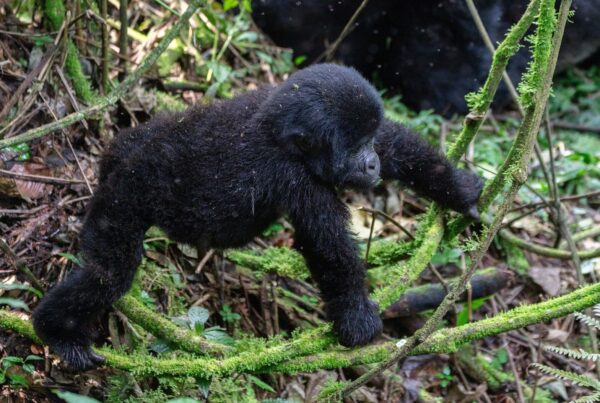
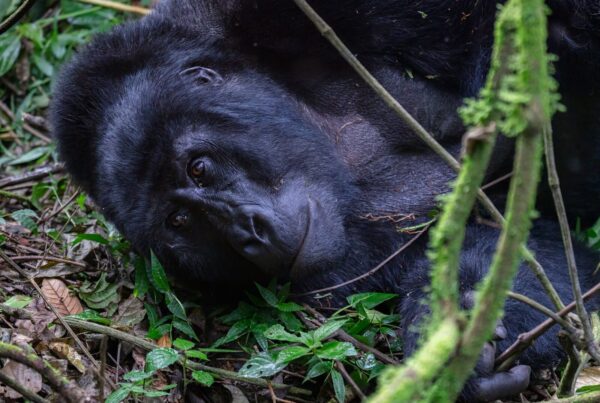
Virunga National Park in the eastern Democratic Republic of Congo is Africa’s oldest national park, established in 1925, and one of the most biodiverse protected areas on the planet. It is also the largest single repository of mountain gorilla habitat in the world, home to a significant portion of the Virunga Massif gorilla population alongside extraordinary diversity that includes forest elephants, hippos, okapi, and a remarkable array of bird species. For gorilla trekkers willing to navigate the complexities of visiting the DRC, Virunga offers a gorilla encounter experience that is simultaneously more challenging to access and, for many visitors, more profound in its sense of wildness and remoteness than either Uganda or Rwanda.
Location and the Virunga Massif
Virunga National Park covers approximately 7,900 square kilometres of eastern DRC, stretching from the Rwenzori Mountains in the north to the Virunga volcanoes in the south. The gorilla trekking sector of the park focuses on the Mikeno sector in the south — the volcanic highland zone adjacent to the Rwanda and Uganda borders that contains the Virunga gorilla population’s core habitat. The park’s headquarters and main tourism base for gorilla trekking is at Rumangabo, approximately 25 kilometres north of Goma, DRC’s eastern border city.
Goma is the gateway to Virunga: an active city on the shore of Lake Kivu, situated at the foot of the still-active Nyiragongo volcano, directly on the Rwanda border with Gisenyi. The combination of proximity to Rwanda (most visitors fly to Kigali and drive or take a short flight to Goma), the dramatic volcanic landscape, and the city’s complex history as a centre of eastern DRC’s prolonged regional conflicts gives Goma a character unlike any other African tourism gateway.
Gorilla Trekking in Virunga
Mountain gorilla trekking in Virunga National Park is managed by the Institut Congolais pour la Conservation de la Nature (ICCN) in partnership with the Virunga Alliance, the conservation organisation that manages the park’s commercial activities. The gorilla families available for trekking in the Mikeno sector include some of the most well-studied gorilla populations in the world — many of the families have been monitored since the Fossey-era research in the 1970s and 1980s that the park’s conservation history shares with Volcanoes National Park across the Rwanda border.
Virunga gorilla permits are priced at $400 per person — significantly less than Uganda’s $800 or Rwanda’s $1,500 — reflecting the DRC’s recognition that lower prices are necessary to attract visitors given the additional complexity and perceived risk of visiting. The permit price includes a ranger-guided trek and the standard one-hour encounter with the gorilla family. For budget-conscious gorilla trekkers who have accepted the complexity and context of visiting DRC, Virunga’s lower permit cost is a meaningful consideration.
The trekking experience in the Mikeno sector covers volcanic terrain at high elevation — the sector’s forest ranges from approximately 2,000 metres to over 3,000 metres on the slopes of Mt Mikeno and adjacent volcanoes. The forest character at these elevations is a dense Afromontane mix of Hagenia, Hypericum, and high-altitude bamboo that creates spectacular trekking conditions — similar in character to Volcanoes National Park across the border but with an even greater sense of remoteness given the much smaller number of visitors.
The Security Context
Virunga National Park operates in a complex security environment that has historically limited tourism and continues to require careful management. Eastern DRC has experienced prolonged regional conflict involving numerous armed groups operating in and around the park area. While the Mikeno gorilla sector has maintained a reasonable security record and tourism has operated continuously through many periods when other parts of the park faced greater challenges, the security situation is genuinely dynamic and requires current assessment before any visit.
The Virunga Alliance and the park’s ranger force — the Rangers of Virunga, whose dedication and sacrifice in protecting the park’s wildlife is one of conservation’s most remarkable stories — maintain active security in the gorilla trekking zones. Visitors are accompanied by armed ranger escorts throughout their time in the park. The risk assessment for visiting Virunga is a personal decision that requires current information from the Virunga Alliance, relevant embassy advisories, and reputable tour operators with specific DRC expertise — not a generic assessment based on broader assumptions about the DRC.
Many experienced African travelers and wildlife journalists who have visited Virunga report that the actual experience, assessed in real time with current security information, is far less daunting than the theoretical framework of visiting an active conflict zone might suggest. The gorilla trekking zones have hosted visitors continuously for many years, and the Virunga Alliance’s commitment to maintaining tourism as a conservation tool means that tourism access is managed with attention to visitor safety as a primary consideration.
Beyond Gorillas in Virunga
Virunga National Park offers experiences beyond mountain gorilla trekking that are available nowhere else in Africa. Nyiragongo volcano, the world’s largest lava lake, can be hiked in a strenuous full-day ascent from the park with an overnight stay at the summit crater rim watching the glowing lava lake far below — one of the most extraordinary natural experiences available anywhere on the continent. The Rwenzori Mountains sector of the park (in the park’s north) offers highland glacier trekking on the equatorial snow peaks described by Ptolemy as the Mountains of the Moon. Chimpanzee trekking and forest elephant tracking add further wildlife experiences to what is already an exceptionally diverse park portfolio.
Logistics for Virunga
The practical logistics for a Virunga gorilla trek involve flying to Kigali (Rwanda) or Entebbe (Uganda) and then reaching Goma either by road through Rwanda (approximately 3 hours from Kigali to the Gisenyi-Goma border) or by small charter aircraft to Goma airport. Visas for DRC must be arranged in advance through DRC embassies or authorised online portals — the process is more complex than Uganda or Rwanda visas and requires planning lead time. The Virunga Alliance’s website provides current logistics and security guidance for visitors considering a park visit.
Combining Virunga with Uganda and Rwanda
Virunga is most naturally combined with gorilla trekking in Uganda or Rwanda as part of a broader East African gorilla circuit. The proximity of the three countries’ gorilla habitats — the Virunga Massif crosses all three borders within a 50-kilometre radius — means that a Kigali-based itinerary could include gorilla trekking in Rwanda (Volcanoes NP), Uganda (Mgahinga or Bwindi), and DRC (Virunga) within a single trip for visitors who want the full range of the mountain gorilla’s range experience.
Final Thoughts
Virunga National Park represents mountain gorilla trekking at its most complex and its most rewarding — a park of extraordinary natural wealth operating against a backdrop of human difficulty that makes the conservation work happening within it all the more remarkable. Visitors who approach it with appropriate preparation, current security assessment, and the willingness to engage with a destination that challenges easy assumptions will find in Virunga one of the most memorable wildlife experiences available anywhere in Africa.