TALK TO AN EXPERT +256 716 068 279 WHATSAPP OPEN NOW.
Travel Logistics & FAQs

Minimum Age for Gorilla Trekking: Why UWA Sets the Limit at 15

Home / Travel News, Stories & Tips / Tales from the Mist / Minimum Age for Gorilla Trekking: Why UWA Sets the Limit at 15

The Age Rule That Cannot Be Bent

The Uganda Wildlife Authority’s minimum age requirement of fifteen years for gorilla trekking is one of the most strictly enforced regulations in the entire tourism programme. Unlike some rules that rangers apply with flexibility depending on circumstances, the age limit is absolute. Rangers verify ages against passports at the mandatory pre-trek briefing, and children who do not meet the threshold are denied participation without exception, negotiation, or refund. This inflexibility frustrates some parents and surprises travellers who are accustomed to age restrictions being treated as guidelines rather than hard boundaries.

Understanding why this age limit exists, what it is designed to protect, and how families with younger children can still engage with Uganda’s extraordinary wildlife helps transform disappointment into informed planning. The fifteen-year limit is not arbitrary bureaucracy but a carefully considered conservation measure supported by veterinary science, behavioural research, and decades of tourism management experience.

The Scientific Basis for the Age Limit

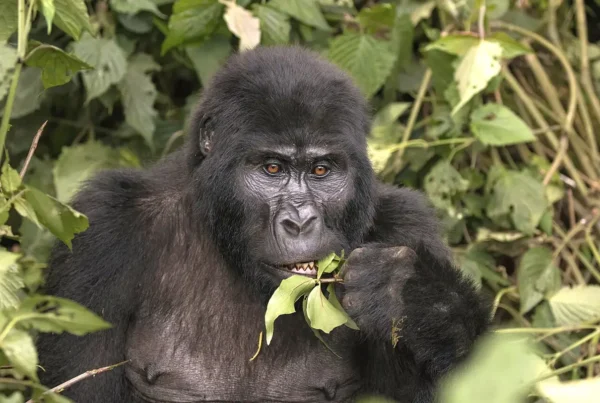
The primary reason for the fifteen-year minimum age is disease transmission risk. Mountain gorillas share approximately ninety-eight percent of their DNA with humans, which makes them extraordinarily susceptible to human diseases. Pathogens that cause mild illness in people can be fatal in gorillas because their immune systems have not evolved defences against human-specific viruses and bacteria.

Children under fifteen are more likely to carry common childhood illnesses including influenza, chickenpox, measles, mumps, and streptococcal infections. These diseases, which may cause only minor symptoms in children, can devastate gorilla populations. A respiratory virus that gives a human child a runny nose can kill a gorilla infant or elderly individual. The 2003 measles outbreak among mountain gorillas in Rwanda, which required emergency vaccination campaigns by veterinarians, demonstrated how quickly human pathogens can spread through vulnerable gorilla populations.

Behavioural and Safety Considerations

Beyond disease risk, younger children present behavioural challenges that increase the likelihood of negative encounters. Children may make sudden movements, loud noises, or impulsive actions that disturb gorillas. They may not have the emotional self-control to remain quiet and still for a full hour of observation. They may wander from the group, attempt to touch vegetation that gorillas also use, or react unpredictably if a gorilla approaches closely.

The physical demands of gorilla trekking also factor into the age limit. The hike through Bwindi’s forest is genuinely strenuous, often involving steep climbs, slippery terrain, and several hours of walking. While some physically fit children under fifteen could handle the trek, UWA applies a uniform standard rather than attempting to assess individual fitness and maturity levels for each child.

How the Age Limit Is Enforced

Enforcement begins at the permit booking stage. UWA’s reservation system does not sell permits to individuals under fifteen, and tour operators are contractually prohibited from booking permits for younger children. If an operator attempts to circumvent this restriction by booking for an adult and substituting a child, they risk losing their operating license.

At the mandatory pre-trek briefing, rangers check passports against permit documentation. Any discrepancy between the age on the passport and the permitted age triggers immediate exclusion. Rangers have heard every possible plea, excuse, and special circumstance argument, and they are not authorised to make exceptions regardless of how compelling the parent’s case may seem.

Alternatives for Families With Younger Children

Families with children under fifteen need not abandon their gorilla trekking aspirations entirely. Several strategies allow parents to experience gorilla trekking while keeping younger children engaged and safe.

The most common approach is for parents to trek on alternate days. One parent hikes on day one while the other remains at the lodge with the children, and they swap on day two. This requires two permits and extends the Bwindi portion of the itinerary but ensures both parents experience the gorillas without leaving children in unfamiliar care arrangements.

Some lodges offer supervised children’s programmes during trekking hours, including nature walks appropriate for younger ages, craft activities, and cultural visits to nearby communities. These programmes introduce children to Uganda’s wildlife and culture in age-appropriate ways while parents are trekking.

For families with children approaching fifteen, waiting until the child reaches the threshold may be the best option. The emotional maturity and physical capability that come with age significantly enhance the gorilla trekking experience. A fifteen-year-old is more likely to appreciate the encounter’s significance and handle its demands than a younger child would be.

Final Thoughts

The fifteen-year minimum age for gorilla trekking exists to protect mountain gorillas from disease, disturbance, and the unpredictable behaviour of younger humans. It is not a judgment on children’s worthiness or capability but a scientifically grounded conservation measure that recognises the unique vulnerability of a species whose global population remains below two thousand individuals.

For parents disappointed that their younger children cannot trek, remember that the age limit is part of what makes gorilla encounters possible at all. Without strict protection measures, including age restrictions, disease prevention protocols, and visitor number limits, mountain gorillas would not have survived into the twenty-first century. Your child’s opportunity to see gorillas at fifteen depends on the protections that keep them alive until then. That perspective transforms waiting from deprivation into investment.

Ready to experience Uganda’s mountain gorillas in 2026? Secure your gorilla permits early and let us craft a seamless safari tailored to your travel style, preferred trekking sector, and accommodation level. From luxury lodges to well-designed midrange journeys, every detail is handled for you. Every itinerary is carefully planned to maximize your time in the forest while ensuring comfort, safety, and unforgettable encounters.

Have questions about gorilla permits, travel dates, or the best itinerary for you? Speak with a safari expert and get clear, honest guidance to plan your trip with confidence.

When is the last time you had an adventure? African Gorillas!!! Up Close With Uganda’s Wild Gorillas Touched by a Wild Gorilla: An Unforgettable Encounter Inside Gorilla Families: Bonds, Hierarchies & Jungle Life Face to Face With a Silverback: The Wild Encounter You’ll Never Forget