The Camera Question Every Trekker Asks
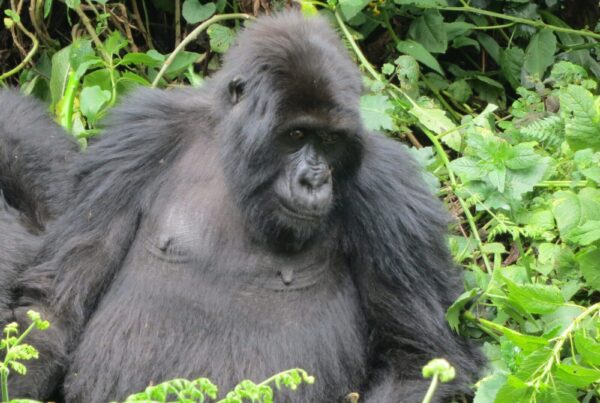
Photography is one of the primary motivations for gorilla trekking, and understandably so. The opportunity to capture images of mountain gorillas in their natural habitat, metres away from wild creatures that share ninety-eight percent of our DNA, is genuinely extraordinary. Every trekker arrives with a camera, whether it is a professional DSLR with multiple lenses, a compact mirrorless system, or simply a smartphone. The question is not whether you can take photos, you absolutely can, but how to do so responsibly, effectively, and in compliance with the rules that protect both gorillas and the quality of the encounter for all participants.
Uganda Wildlife Authority photography rules are straightforward but strict, and understanding them before your trek ensures that you capture the images you want without inadvertently violating regulations that could end your encounter prematurely or result in penalties.
The Flash Prohibition
The single most important photography rule is that flash is absolutely prohibited when photographing gorillas. This prohibition is non-negotiable and applies to all cameras, including smartphones with automatic flash settings. Flash photography disturbs gorillas, can trigger defensive reactions, and creates an unnatural environment that contradicts the principles of responsible wildlife tourism.
Before entering the forest, disable your camera flash completely. On DSLRs and mirrorless cameras, this means switching to manual or aperture-priority mode where you control whether flash fires. On smartphones, ensure the flash icon shows disabled in your camera app. Guides will check that flash is disabled before approaching gorillas, and if they discover that your flash is active, you may be required to put your camera away for the remainder of the encounter.
The One-Hour Time Limit
Your photography time is bounded by the same one-hour limit that governs the entire gorilla encounter. Guides monitor the time carefully, and when the hour concludes, photography stops regardless of how many shots you have taken or how active the gorillas are. This limit exists to minimise stress on the gorillas, and no amount of photographic enthusiasm justifies extending it.
The one-hour constraint means that preparation is essential. Have your camera settings optimised before approaching the gorillas so you are not fumbling with controls during precious minutes of the encounter. Check your battery level and memory card space before the trek begins. The last thing you want is to discover a dead battery just as a silverback makes eye contact with you.
Camera Equipment Recommendations
The forest environment presents genuine photographic challenges: low light under dense canopy, high humidity, limited shooting positions, and the need for quiet operation. Professional photographers typically bring full-frame cameras with fast prime lenses (f/2.8 or wider) and image stabilisation to handle the dim conditions. A seventy to two hundred millimetre zoom lens provides versatility for both group shots and facial close-ups.
For smartphone photographers, modern flagship phones produce remarkably good images in forest conditions. Enable HDR mode for better dynamic range, use the telephoto lens if your phone has one, and stabilise your phone against your body or a tree to reduce motion blur in low light. The best smartphone photographs are often composed thoughtfully rather than snapped hastily.
Behaviour Around Gorillas
Photography must never take priority over respectful behaviour. Moving suddenly to get a better angle, pushing past other trekkers for position, or making noise to attract a gorilla attention are all unacceptable. Your guide will position the group for optimal viewing and photography at the beginning of the encounter. Accept that position and work with it rather than trying to recompose the entire scene.
If a gorilla approaches closely, lower your camera and remain still. Close approaches create extraordinary photographic opportunities, but they also require heightened awareness of the animal comfort. A guide will quietly instruct you when to lower your camera and when it is safe to resume shooting.
Sharing and Using Your Photographs
The photographs you take during your gorilla trek belong to you, and you are free to share them on social media, print them, or use them for personal purposes. However, commercial use of gorilla photographs, including sale to stock agencies, publication in commercial media, or use in advertising, may require additional permits from UWA. If you intend to use your images commercially, contact UWA communications department before your trek to clarify requirements.
When sharing images on social media, consider including educational captions that promote conservation awareness rather than merely showcasing your adventure. Your photographs have power to inspire others to care about mountain gorillas and support their protection. Use that power thoughtfully.
Final Thoughts
Photography and gorilla trekking are natural companions, but the encounter itself must always take precedence over the images you capture. The best gorilla photographs are those taken by trekkers who were fully present for the experience, who composed thoughtfully in the moment, and who respected the rules that make these encounters possible for everyone.
When you review your photographs after returning home, you will find that the technically perfect shots are not necessarily the most meaningful. The slightly blurred image of a juvenile playing, the backlit silhouette of a silverback in mist, the candid moment when a mother cradles her infant, these are the photographs that will endure because they captured something true about the encounter. Your camera is a tool, but your attention and respect are what create images worth keeping.
- How to Take the Best Gorilla Trekking Photos: Photography Tips
- Photography rules on a gorilla trek: what rangers enforce and why
- Drone photography rules and regulations in Uganda’s national parks
- Photography ethics in wildlife tourism: the rules behind the rules
- Drone photography restrictions in Uganda national parks: rules and alternatives
- 2025 Uganda Gorilla Trekking Permits – Cost, Booking, Rules & More
- Black & White Photography Techniques to Try on a Gorilla Safari
- Latest Health Rules at Entebbe International Airport
- 5 Common Gorilla Trekking Mistakes
- What it Takes to Protect Gorillas from Ebola