Updated
Uganda vs Rwanda vs DRC: Where to Trek Gorillas Compared
The Choice Between Three Gorilla Trekking Destinations
Uganda vs Rwanda vs DRC gorilla trekking is one of Africa’s most extraordinary wildlife experiences, connecting travellers with mountain gorillas in their natural forest habitat. Mountain gorillas live in only three countries: Uganda, Rwanda, and the Democratic Republic of Congo. Each nation offers a distinct gorilla trekking experience shaped by its geography, infrastructure, permit pricing, security situation, and tourism philosophy. For travellers planning their first gorilla trek, the choice between these destinations can be confusing, with competing claims about which offers the best experience, best value, or most authentic encounter.
This guide compares gorilla trekking across all three countries honestly, examining the practical realities that distinguish them. There is no universally best destination; there is only the destination that best matches your priorities, budget, risk tolerance, and travel style. Understanding the differences allows you to make an informed choice rather than relying on marketing claims or second-hand opinions.
Uganda: The Adventurous Middle Ground
Uganda’s gorilla trekking takes place in Bwindi Impenetrable National Park and Mgahinga Gorilla National Park, both in the country’s southwestern highlands. Bwindi is the primary destination, with more habituated families and more trekking sectors than any other park in the three countries.
The Ugandan experience is generally characterised as more physically adventurous than Rwanda’s but more accessible than DRC’s. Bwindi’s dense forest, steep terrain, and variable weather create genuine challenges that trekkers must overcome to reach the gorillas. The reward for this effort is an encounter that feels earned and authentic, set in a forest that truly deserves its impenetrable name.
Uganda’s permit price of eight hundred dollars for foreign non-residents is mid-range between Rwanda’s fifteen hundred dollars and DRC’s four hundred dollars. The country also offers the unique Gorilla Habituation Experience, allowing four hours with gorillas rather than one, at fifteen hundred dollars. Accommodation ranges from budget to ultra-luxury, with options for every price point.
Rwanda: The Premium Experience
Rwanda’s gorilla trekking is concentrated in Volcanoes National Park, in the Virunga Mountains northwest of Kigali. The Rwandan experience is notably more polished and accessible than Uganda’s. Roads to the park are excellent, lodges are generally of higher standard, and the trekking terrain is less dense, with more open bamboo forest that makes hiking easier.
The premium nature of Rwanda’s offering is reflected in its permit price: fifteen hundred dollars for foreign non-residents, nearly double Uganda’s rate. This price positions Rwanda as a luxury destination, and the accommodation and service standards generally justify this positioning. The country has successfully marketed itself as the gorilla trekking choice for discerning, affluent travellers.
The physical trekking in Rwanda is typically less strenuous than in Uganda, making it suitable for older travellers or those with moderate fitness concerns. However, the gorilla families are sometimes located at higher altitudes, and the thinner air at three thousand metres plus can present its own challenges for sea-level dwellers.
Democratic Republic of Congo: The Wild Frontier
The DRC’s gorilla trekking takes place in Virunga National Park, Africa’s oldest national park and one of its most biodiverse. At four hundred dollars, DRC permits are the cheapest of the three countries by a significant margin. The trekking experience is raw, less regulated, and set against the backdrop of active volcanoes including Nyiragongo, which contains one of the world’s largest lava lakes.
The DRC’s primary drawback is security. Eastern DRC has experienced prolonged instability, and while Virunga National Park itself has been relatively secure in recent years, the surrounding region remains volatile. Park authorities have invested heavily in security infrastructure, including ranger training and rapid response capabilities, but the risk profile is objectively higher than in Uganda or Rwanda.
For adventurous travellers willing to accept elevated risk in exchange for lower cost and a more untamed experience, DRC offers genuine value. The park’s combination of gorillas, volcanoes, and raw wilderness is unique. However, most first-time gorilla trekkers are better served by Uganda or Rwanda.
Comparing Permit Costs
| Country | Foreign Non-Resident | Foreign Resident | East African Citizen |
|---|---|---|---|
| Uganda | $800 | $700 | 300,000 UGX |
| Rwanda | $1,500 | $1,500 | N/A |
| DRC | $400 | $400 | N/A |
These permit costs represent only the entry fee for gorilla trekking. Total trip costs include flights, accommodation, transport, meals, tips, and other activities. When all costs are considered, Rwanda’s total trip cost is typically highest, DRC’s is lowest, and Uganda occupies the middle position.
Accessibility and Infrastructure
Rwanda wins on accessibility. Kigali International Airport is well-connected to Europe, the Middle East, and East Africa. The drive from Kigali to Volcanoes National Park takes approximately two to three hours on excellent roads. Uganda requires a longer drive, eight to ten hours from Entebbe to Bwindi, or a domestic flight followed by road transfer. DRC access is complicated by limited international flight options and the need to cross from Rwanda or Uganda at land borders.
Lodge infrastructure follows similar patterns. Rwanda has the highest concentration of luxury lodges, many with international management standards. Uganda offers a wider range from budget to luxury, with more characterful independent properties. DRC has fewer options, with most accommodation clustered near the park headquarters.
Which Country Should You Choose?
Choose Rwanda if budget is not your primary concern, you prefer polished infrastructure and easier trekking, and you have limited time for travel within the country. Rwanda is ideal for travellers seeking a luxury gorilla experience with minimal logistical friction.
Choose Uganda if you want the best balance of cost, adventure, and biodiversity. Uganda’s lower permit price, more challenging terrain, and opportunity to combine gorilla trekking with other safari activities make it the most versatile destination. It is particularly suitable for travellers who want a fuller East African experience beyond gorillas alone.
Choose DRC if you are an experienced African traveller with high risk tolerance, a tight budget, and a desire for the most untamed gorilla experience available. DRC is not for everyone, but for the right traveller, it offers extraordinary value and authenticity.
Final Thoughts
The Uganda-Rwanda-DRC decision is not a test of traveller virtue. Choosing Rwanda does not make you soft, and choosing DRC does not make you brave. Each destination serves different needs and different traveller profiles. What matters is choosing honestly based on your own circumstances rather than being swayed by marketing or peer pressure.
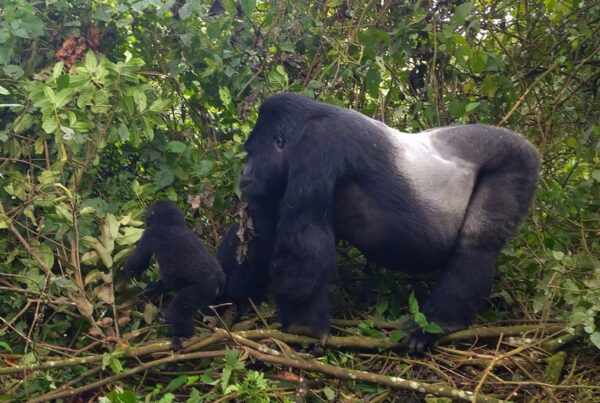
The gorillas themselves do not know which country you have chosen. A silverback in Bwindi is the same species as a silverback in Volcanoes or Virunga. The encounter’s power comes from the animal, the forest, and your own openness to the experience, not from the passport stamp that got you there. Wherever you trek, you are participating in one of conservation’s great success stories, and the gorillas benefit from your presence regardless of which border you crossed to reach them.