Updated
Combining Gorilla Trekking With Safari: Queen Elizabeth, Chimps and More
Uganda’s Wildlife Beyond the Gorillas
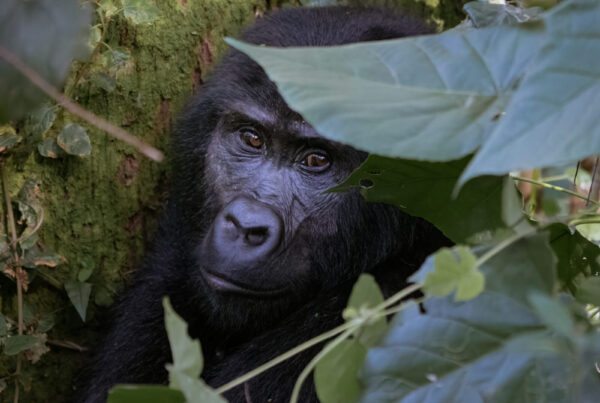
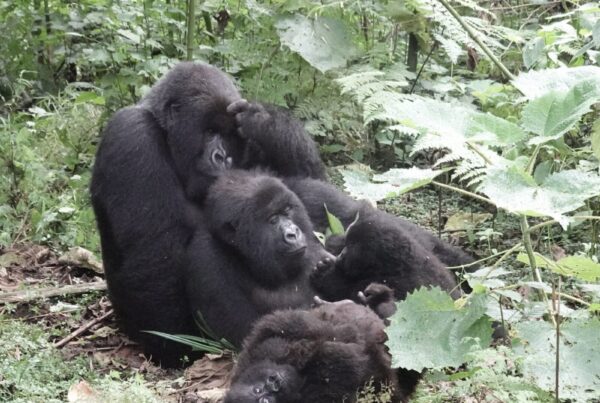
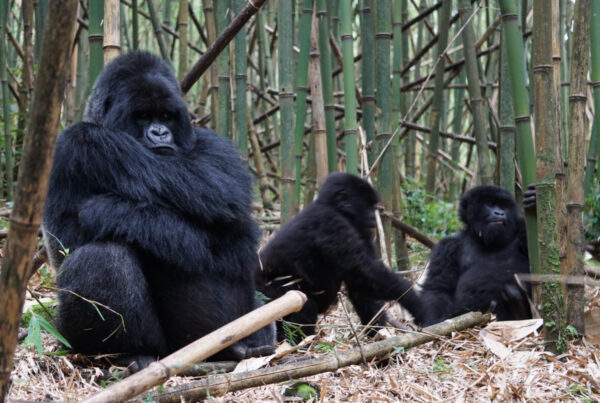
Combining Gorilla Trekking With Safari: Queen Elizabeth, Chimps and More Uganda’s Wildlife Beyond the Gorillas For many travellers, gorilla trekking is the highlight that draws them to Uganda, but limiting your visit to Bwindi alone means missing extraordinary wildlife experiences that few other countries can match in such compact geography. For many travellers, gorilla trekking is the highlight that draws them to Uganda, but limiting your visit to Bwindi alone means missing extraordinary wildlife experiences that few other countries can match in such compact geography. Uganda is one of the few places on Earth where you can track mountain gorillas in misty forests, watch tree-climbing lions on savannah plains, cruise past hippos on the Nile, and track chimpanzees through tropical woodlands, all within a single itinerary of reasonable duration.
Combining gorilla trekking with other safari activities creates a fuller understanding of Uganda’s biodiversity and conservation story. It also provides physical and mental variety, alternating the intense, focused experience of gorilla trekking with the more relaxed pace of game drives and boat cruises. This guide explores the most rewarding combinations, the logistics of multi-destination itineraries, and how to structure your time for maximum impact without exhaustion.
Queen Elizabeth National Park: The Classic Combination
Queen Elizabeth National Park lies approximately three to four hours from Bwindi by road, making it the most natural extension to a gorilla trekking itinerary. This park embodies classic African safari scenery: open savannah, acacia woodlands, crater lakes, and the Kazinga Channel, a natural waterway that connects Lake Edward and Lake George and hosts one of the highest concentrations of hippos in Africa.
Game drives in Queen Elizabeth offer excellent chances of seeing elephants, buffalo, Ugandan kob, warthogs, and the famous tree-climbing lions of the Ishasha sector. These lions, which rest in fig trees during daylight hours, are a phenomenon found in only a handful of locations worldwide. Boat cruises on the Kazinga Channel provide close-up viewing of hippos, crocodiles, waterbirds, and elephants that come to drink at the water’s edge.
The transition from Bwindi’s dense forest to Queen Elizabeth’s open plains creates a satisfying contrast. After the physical intensity and focused attention of gorilla trekking, the expansive landscapes and relaxed pace of game drives feel like a different but equally valid form of wilderness immersion.
Kibale Forest National Park: Chimpanzee Tracking
For travellers fascinated by primates, Kibale Forest National Park offers the best chimpanzee tracking experience in East Africa. Located approximately five to six hours from both Bwindi and Kampala, Kibale is home to over one thousand chimpanzees, and the habituated groups can be tracked with a high degree of reliability.
Chimpanzee tracking differs qualitatively from gorilla trekking. Chimpanzees are more active, more vocal, and less predictable in their movements. An encounter might involve watching them feed in canopy trees, hearing their pant-hoots echo through the forest, or observing social interactions that include displays of aggression, grooming, and play. The experience is louder, more chaotic, and more energetic than the contemplative stillness of a gorilla encounter.
For visitors who want to compare great ape species, combining gorilla trekking with chimpanzee tracking provides extraordinary educational depth. The contrast between gorilla and chimpanzee behaviour illuminates the evolutionary paths that have shaped these two species, our closest living relatives.
Murchison Falls National Park: The Nile Experience
Murchison Falls National Park, located in northwestern Uganda, requires a longer drive or a domestic flight from the gorilla trekking region, but it rewards the effort with one of Africa’s most dramatic natural features. The Victoria Nile forces through a narrow gorge only seven metres wide before plunging forty-three metres, creating Murchison Falls, one of the most powerful waterfalls on Earth.
Game drives in Murchison Falls reveal elephants, giraffes, lions, leopards, and large herds of buffalo and antelope. The park’s boat cruise to the base of the falls provides hippo and crocodile viewing alongside the thundering water. For bird enthusiasts, Murchison Falls is exceptional, with the shoebill stork among its most sought-after species.
Including Murchison Falls in a gorilla trekking itinerary typically requires at least ten to twelve days total, compared with seven to eight days for a Bwindi-Queen Elizabeth combination. The additional time and transport cost are justified for travellers who want a comprehensive Ugandan wildlife experience.
Lake Bunyonyi: Relaxation Between Adventures
Not every addition to a gorilla trekking itinerary needs to be active. Lake Bunyonyi, located near Bwindi, provides a serene setting for post-trek recovery. Uganda’s deepest lake, dotted with twenty-nine islands, offers swimming, canoeing, birdwatching, and simply resting in one of Africa’s most beautiful lakeside settings.
Many operators build a Lake Bunyonyi stop into gorilla trekking itineraries specifically to allow recovery time. After the physical exertion of trekking, a day spent gently paddling between islands or reading on a lodge veranda restores energy before the next phase of the journey. The lake’s elevation keeps temperatures pleasant, and the absence of bilharzia makes swimming safe, unlike many other African lakes.
Structuring Your Itinerary
The optimal structure for a combined Uganda safari depends on your available time, budget, and interests. A popular eight-day itinerary might include: arrival in Entebbe, transfer to Bwindi for gorilla trekking, two nights at Lake Bunyonyi for recovery, transfer to Queen Elizabeth for game drives and a Kazinga Channel cruise, and return to Entebbe via the equator crossing.
A more comprehensive twelve-day itinerary could add Kibale for chimpanzee tracking before Queen Elizabeth, or extend to Murchison Falls via domestic flight. Each additional destination adds transport time, cost, and physical demands, so be realistic about your stamina and interests when planning.
The order of activities matters. Most travellers prefer to do gorilla trekking early in the itinerary while energy levels are highest, followed by progressively more relaxed activities. However, some prefer to build anticipation by doing game drives first and saving the gorilla encounter as the culminating experience.
Final Thoughts
Gorilla trekking alone justifies a trip to Uganda, but combining it with other wildlife experiences transforms that trip into a comprehensive African safari. The country’s compact size, extraordinary biodiversity, and well-developed tourism infrastructure make multi-destination itineraries practical and rewarding in ways that are difficult to replicate elsewhere.
When you stand before a silverback in Bwindi and then watch a lioness stalk prey on the Queen Elizabeth plains, you are witnessing two different expressions of African wildness, each magnificent in its own way. Uganda offers both, and the traveller wise enough to accept both receives an education in biodiversity that no single experience could provide.