Updated
For most travellers, Uganda is worth visiting if mountain gorillas, chimpanzees and varied, uncrowded landscapes matter more to you than big herds and polished tourist infrastructure. Its gorilla permits cost about half of Rwanda’s, and in one trip you can combine primates, savannah parks, the Nile and crater lakes. The trade-offs are long drives on some rough roads, patchy connectivity in the parks, and the need to check current health and security advice before you book. Here is an honest look at the strengths and the drawbacks.
What Uganda does best
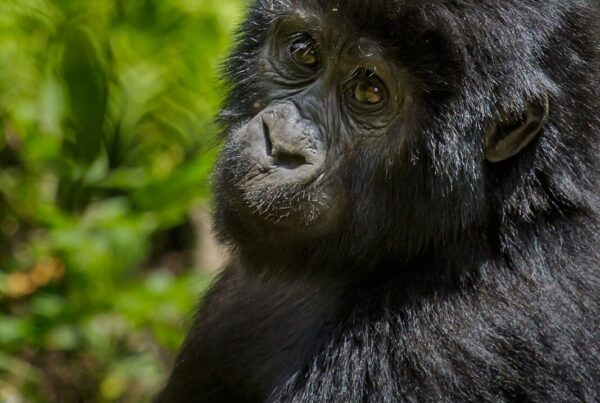
Gorilla trekking is the main reason most people come. Bwindi and Mgahinga hold about half of the world’s mountain gorillas, there are many habituated families spread across four Bwindi sectors, and the permit costs US$800, or US$600 in April, May and November, against US$1,500 in Rwanda. Uganda is also the only place to spend four hours with mountain gorillas, on the Gorilla Habituation Experience, at US$1,500, rising to US$1,800 in 2027. See our guide to whether the US$800 permit is worth it.
Beyond gorillas, Kibale offers some of Africa’s most reliable chimpanzee tracking, at US$250, rising to US$300 from 1 January 2027. Queen Elizabeth and Murchison Falls add elephants, lions and boat trips, Kidepo is remote and spectacular, and over 1,000 bird species make Uganda a top birding country. The parks are rarely crowded, and most visitors find Ugandans welcoming and easy to talk to, with English widely spoken.
The drawbacks
Distances are long. Bwindi is a full day’s drive from Kampala, and while the main highways are paved, the last stretches to some gorilla sectors are rough, especially in the rains. Flights to Kihihi or Kisoro save time but add cost and luggage limits. The gorilla trek itself can be hard, with steep, muddy slopes, and wildlife numbers in the savannah parks are lower than in Kenya, Tanzania or Botswana. Mobile signal and internet are unreliable near Bwindi, and you will need cash for tips and small purchases, as card payments are not accepted everywhere.
Safety and health
Most visits pass without problems, and gorilla treks are accompanied by armed rangers. Still, check your government’s current advice before booking and again before travelling. Uganda has had Ebola outbreaks, including in 2025 and 2026, and an attack on tourists in Queen Elizabeth National Park in October 2023 led to increased security in the park. Malaria is present, so take preventive tablets, and a yellow fever certificate is required on entry. LGBTQ+ travellers should read their government’s advice on Uganda’s 2023 Anti-Homosexuality Act. See our Uganda safety guide for the latest advisories.
Value for money
Uganda is not a budget destination once permits are included, but it offers good value. Mid-range lodges cost less than in Rwanda or Botswana, road transport is cheaper than flying between camps, and a 7–10 day trip can cover gorillas, chimps and savannah game. The biggest savings come from travelling in April, May or November for the lower gorilla permit, sharing a vehicle and choosing mid-range lodges. See our guide to reasons to visit Uganda.
Who will enjoy Uganda most
Uganda suits travellers who want great apes, who like to walk rather than sit in a vehicle all day, and who enjoy variety and contact with local communities. It suits less well those who want guaranteed big-cat sightings, short transfers, or a luxury beach-and-safari trip. First-time visitors to Africa who prefer an easier introduction often combine Uganda with Kenya or Tanzania. See our gorilla trekking guide to start planning.
Frequently asked questions
Yes, especially for gorillas, chimps and variety, if you accept long drives and some rough roads.
At least 3–4 days for gorillas alone, and 7–10 days to add chimps and savannah parks.
Most visits are trouble-free, but check current government advice for health and security alerts.
Yes. Uganda’s permit is US$800 (US$600 in low months) against US$1,500 in Rwanda.