Why Standard Travel Insurance Falls Short
Most travellers understand the importance of travel insurance for international trips, but gorilla trekking presents specific risks and requirements that standard policies often fail to address adequately. A generic travel insurance policy designed for beach holidays or city breaks may leave you exposed to significant financial losses if problems arise during a gorilla trekking expedition in Uganda’s remote southwestern highlands.
The combination of strenuous physical activity in a remote location, high-value non-refundable permits, limited medical facilities, and the potential need for emergency evacuation creates a risk profile that demands specialised coverage. This guide explains exactly what your travel insurance should cover for gorilla trekking, common exclusions to watch for, and how to select a policy that genuinely protects you rather than merely providing peace of mind.
Essential Coverage: Medical Expenses and Emergency Evacuation
The foundation of any gorilla trekking insurance policy is comprehensive medical coverage with high limits. Medical facilities near Bwindi are basic, and serious illness or injury may require evacuation to Kampala or even repatriation to your home country. Your policy should cover emergency medical treatment, hospitalisation, and medical evacuation with limits of at least two hundred fifty thousand dollars, preferably five hundred thousand dollars or more.
Emergency evacuation coverage is particularly critical. A helicopter evacuation from Bwindi to Kampala can cost twenty thousand dollars or more, and repatriation to Europe or North America can exceed one hundred thousand dollars. Without adequate evacuation coverage, you or your family could face impossible financial choices during a medical emergency.
Verify that your policy covers evacuation specifically from remote locations, not just from major cities. Some policies technically include evacuation but define it narrowly, excluding remote area rescue. Read the fine print carefully, and if in doubt, contact the insurer directly to confirm coverage for trekking in Bwindi Impenetrable National Park.
Trip Cancellation and Permit Protection
Gorilla permits cost eight hundred dollars for foreign non-residents and are generally non-refundable if you cancel for personal reasons. Standard trip cancellation coverage may reimburse flights and accommodation but exclude activity-specific permits. Look for policies that explicitly cover prepaid non-refundable activity costs, including gorilla permits, up to the full permit value.
Covered reasons for cancellation typically include serious illness or injury, death of a family member, natural disasters, jury duty, and employment termination. Some premium policies offer cancel-for-any-reason coverage, which reimburses a percentage of costs (usually fifty to seventy-five percent) regardless of why you cancel. This broader coverage costs more but provides valuable flexibility for a high-investment trip.
Trekking-Specific Coverage and Exclusions
Many standard travel insurance policies exclude adventure activities or impose restrictions on trekking above certain altitudes. While Bwindi’s trekking elevations (up to approximately 2,600 metres) do not typically trigger altitude exclusions, some policies define trekking broadly and may exclude gorilla trekking specifically as an organised adventure activity.
When comparing policies, look for explicit confirmation that gorilla trekking is covered. Some insurers offer wildlife trekking as a standard activity, while others require you to add an adventure sports rider. The additional cost for trekking coverage is usually modest, ten to thirty dollars on top of a standard policy, but failing to add it could invalidate your entire claim if something goes wrong during the trek.
Personal Belongings and Equipment
Camera equipment represents a significant investment for most gorilla trekkers, and the forest environment poses genuine risks to electronics: rain, humidity, mud, and accidental drops on rocky terrain. Your policy should cover personal belongings including cameras, lenses, smartphones, and other electronics with limits that reflect their replacement value.
Be aware of per-item limits and excess deductions. A policy with a five thousand dollar total belongings limit sounds generous until you discover that individual items are capped at five hundred dollars, and your two-thousand-dollar camera lens is only partially covered. Similarly, excesses of two hundred fifty to five hundred dollars per claim mean you bear significant out-of-pocket costs for smaller losses.
Policy Comparison and Selection Tips
When selecting travel insurance for gorilla trekking, obtain quotes from multiple providers and compare coverage specifics rather than just price. Reputable insurers with strong East Africa coverage include World Nomads, which explicitly covers gorilla trekking on standard policies, IMG Global, and Allianz Global Assistance. Specialist adventure travel insurers often provide more appropriate coverage than general travel insurance brands.
Purchase insurance as soon as you book your gorilla permits, not just before departure. Trip cancellation coverage only protects events that occur after you purchase the policy. If you buy insurance after breaking your ankle, the injury is a pre-existing condition and will not be covered. Early purchase locks in protection from the moment you commit financially to the trip.
Documentation and Claims Process
If you need to make a claim, thorough documentation is essential. Keep copies of all receipts, medical reports, police reports (for theft), and correspondence with tour operators. Photograph damaged equipment before repairing or replacing it. Notify your insurer as soon as practically possible after an incident occurs, as delayed notification can complicate or invalidate claims.
For medical emergencies, contact your insurer’s emergency assistance line before seeking treatment if possible. They can direct you to approved medical facilities and pre-authorise treatment, simplifying the claims process. In genuine emergencies where immediate treatment is necessary, seek care first and notify the insurer as soon as circumstances allow.
Final Thoughts
Travel insurance for gorilla trekking is not an optional extra but an essential component of responsible trip planning. The financial investment in permits, flights, and accommodation is too significant to leave unprotected, and the remote location makes adequate medical and evacuation coverage genuinely critical. A well-chosen policy costs a fraction of your total trip expenditure while providing protection that could save you tens of thousands of dollars in an emergency.
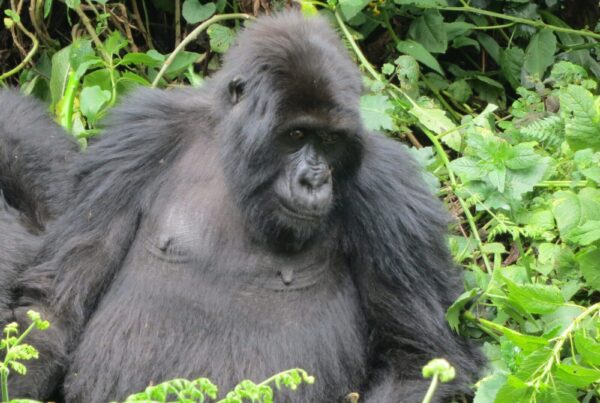
When you sit before a silverback in Bwindi’s forest, the last thing you want is worry about what happens if you fall, if you become ill, or if your camera is damaged. Proper insurance does not prevent these events, but it removes the financial anxiety that would compound their impact. You are free to be fully present for the encounter, knowing that whatever happens, you are protected.
- Uganda Travel Insurance: What Cover Do You Really Need
- Travel Insurance Flight Cancellation Uganda: What Is Covered 2027
- Uganda travel insurance: what you actually need for a gorilla trekking trip
- Travel insurance for gorilla trekking: the coverage you actually need
- Uganda Travel Tips for First-Time Visitors: What You Need to Know Before You Go
- Can You Visit Ngogo Chimps? What Travelers Need to Know
- Travel Insurance for Africa
- Uganda Ebola 2026: What Every Safari Traveller Needs to Know Before Cancelling
- What Every Travel Agent Needs to Tell Clients About Uganda Right Now
- What If I Book and Then Uganda Has a Travel Warning? We Have You Covered