The Mosquito-Borne Risk Every Traveller Must Address
Malaria remains one of the most significant health concerns for travellers visiting Uganda, and for good reason. The disease is endemic throughout the country at elevations below two thousand metres, which includes most tourist destinations outside the immediate gorilla trekking areas. While Bwindi Impenetrable National Park’s high altitude means malaria risk at the trekking sites themselves is minimal, you will spend time in lower-elevation areas during your arrival, transit, and any extensions to your trip. Understanding malaria prevention, recognising symptoms, and knowing how to respond if infection occurs are essential components of responsible travel preparation.
The good news is that malaria is entirely preventable with proper precautions, and even if contracted, it is treatable with prompt medical attention. The bad news is that drug-resistant strains exist, that no preventive measure is one hundred percent effective, and that complacency about malaria has caused serious illness and death among travellers who assumed they were protected.
Understanding Malaria in Uganda
Malaria in Uganda is caused primarily by Plasmodium falciparum, the most dangerous of the five malaria parasite species that infect humans. Transmission occurs through the bite of infected female Anopheles mosquitoes, which are most active between dusk and dawn. These mosquitoes breed in standing water and are particularly prevalent during and immediately after rainy seasons.
The risk varies significantly by location and season. Kampala, Entebbe, Jinja, and Lake Mburo National Park all present genuine malaria risk. Queen Elizabeth National Park and Murchison Falls National Park are higher-risk areas due to their lower elevations and abundant water sources. Bwindi itself, at elevations exceeding fifteen hundred metres, has lower mosquito populations and reduced transmission risk, though some risk remains, particularly in lodge areas outside the park proper.
Antimalarial Medications: Options and Recommendations
Several antimalarial medications are effective for Uganda, and the best choice depends on your medical history, travel itinerary, and tolerance for side effects. The most commonly recommended options include atovaquone-proguanil (Malarone), doxycycline, and mefloquine (Lariam).
Atovaquone-proguanil is widely favoured for short-term travel because it is well-tolerated, effective, and requires daily dosing starting one to two days before travel and continuing for seven days after departure. Side effects are generally mild, including occasional nausea or headache. The main drawback is cost; Malarone is significantly more expensive than alternatives, particularly for longer trips.
Doxycycline is a cheaper alternative that is equally effective against Uganda’s malaria strains. It requires daily dosing starting one to two days before travel and continuing for four weeks after departure. Side effects include photosensitivity, which increases sunburn risk, and potential digestive upset. Doxycycline should not be taken by pregnant women or children under eight years.
Mefloquine is taken weekly rather than daily, which some travellers find more convenient. However, it has a higher incidence of neuropsychiatric side effects including vivid dreams, anxiety, and mood changes. Travellers with a history of depression or anxiety should avoid mefloquine and discuss alternatives with their physician.
Non-Medical Prevention Measures
Antimalarial tablets alone are not sufficient protection. Mosquito bite prevention is equally important and complements medication to reduce risk further. Effective measures include applying DEET-based insect repellent to exposed skin from dusk until dawn, wearing long sleeves and trousers in the evening, sleeping under insecticide-treated mosquito nets where provided, and ensuring accommodation has screened windows or air conditioning.
Many safari lodges in Uganda provide mosquito nets and take measures to reduce mosquito populations around guest areas. However, do not assume these measures are adequate without your own precautions. Mosquitoes can enter through small gaps in screening, and some individuals are simply more attractive to mosquitoes than others regardless of environmental controls.
Recognising Malaria Symptoms
Despite preventive measures, malaria infection can still occur. Early symptoms typically appear seven to fourteen days after infection, though this incubation period can range from six days to several months. Initial symptoms mimic influenza: fever, chills, headache, muscle aches, and fatigue. The hallmark symptom is cyclical fever that comes and goes in waves.
If you develop fever or flu-like symptoms during or within three months of travel to Uganda, seek medical attention immediately and inform the physician of your travel history. Malaria diagnosis requires a blood test, and treatment should begin promptly to prevent progression to severe disease. Self-diagnosis based on symptoms alone is unreliable; many tropical illnesses present similarly, and only laboratory testing can confirm malaria.
What to Pack for Malaria Prevention
Your malaria prevention kit should include your prescribed antimalarial medication in sufficient quantity for the entire trip plus extra days in case of travel delays, DEET-based insect repellent (twenty to thirty percent concentration), a portable mosquito net if you are staying in budget accommodation without provided nets, lightweight long-sleeved shirts and trousers for evening wear, and a digital thermometer to monitor for fever.
Consider packing a small supply of emergency standby treatment medication, such as artemether-lumefantrine (Coartem), if recommended by your travel medicine physician. This allows immediate self-treatment if you develop symptoms in a remote location where medical facilities are hours away. Do not use standby treatment as a substitute for seeking proper medical care; it is an emergency bridge, not a solution.
Final Thoughts
Malaria prevention is not optional for travellers to Uganda. It is a fundamental responsibility that protects your health and ensures that your gorilla trekking experience is not compromised by illness. The combination of antimalarial medication, mosquito bite prevention, and prompt medical attention if symptoms develop provides robust protection against a disease that is entirely manageable with proper preparation.
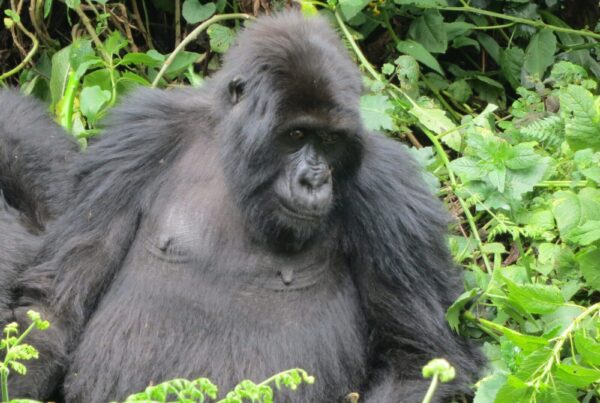
When you sit before a silverback in Bwindi’s forest, the last thing you want is fever and chills distracting from the encounter. Invest in proper malaria prevention before your trip, adhere to preventive measures consistently throughout your travels, and carry the knowledge of how to respond if symptoms develop. Your health is the foundation upon which every extraordinary travel experience is built.
- Malaria Prevention Uganda: Tablets, Prophylaxis and Advice 2026
- Malaria prevention in Uganda: what every gorilla trekking traveller needs to know
- Best Anti-Malaria Tablets and Prevention Tips for Uganda Visitors
- Uganda Unpacked: The Ultimate Backpacker’s Travel Guide
- Insect Repellent for Gorilla Trekking: What Actually Works in Uganda
- Altitude Sickness on Gorilla Trek: Prevention and Treatment in Uganda
- Mobile Phone Signal in Bwindi: What Networks Work
- What to Pack for Gorilla Trekking: The Complete Packing List
- Gorilla Trekking Daypack Essentials: What to Carry and What to Leave Behind
- What to Pack for a Uganda Safari: Beyond Gorilla Trekking