Uganda Ebola 2026: What Every Safari Traveller Needs to Know Before Cancelling
You have a Uganda trip planned. You have seen the headlines. And now you are sitting with a difficult decision: cancel and lose your deposits, or go and take what feels like an unknown risk. Before you do anything, read this. Because the decision most travellers are making right now — cancelling based on headlines alone — is being made without the most important piece of information: where in Uganda the situation is, and where your trip is taking you. Those two places are not the same. They are not even close.
The First Thing to Understand: Uganda Is Not a Small Country
Uganda covers 241,000 square kilometres with a population of over 47 million people spread across dramatically different regions, ecosystems, and administrative zones. The country ranges from the semi-arid Karamoja region in the northeast to the volcanic mountains of the southwest, from the shores of Lake Victoria in the south to the border with South Sudan in the north. When any health event is reported in Uganda, it is reported as “Uganda” — but that framing hides the reality that the affected area may be as far from your planned destination as one European country is from another.
Where Ebola Has Historically Occurred in Uganda
Uganda’s documented Ebola history shows a consistent geographical pattern. The 2000 Gulu outbreak was in northern Uganda. The 2007 Bundibugyo outbreak was in western Uganda near the DRC border north of Fort Portal. The 2012 Kibaale outbreak was in western Uganda. The 2022 Mubende and Kassanda outbreaks were in central Uganda, approximately 150 kilometres west of Kampala. In every single case, the outbreak occurred in regions entirely separate from the southwestern tourism corridor where gorilla trekking takes place. Bwindi, Mgahinga, Kisoro, Kabale — none of these areas have ever recorded a single Ebola case across any of Uganda’s outbreaks. This is not coincidence. It reflects the genuine geographical separation between Uganda’s disease-affected zones and its gorilla tourism zone.
What the Current Situation Actually Means for Your Trip
If your trip involves flying into Entebbe, spending time in Kampala, and then travelling to Bwindi or Mgahinga for gorilla trekking, here is a practical breakdown of your actual risk exposure. Entebbe International Airport is operating normally with standard health screening protocols including temperature checks and health declaration forms. Kampala, if you are transiting through, is a city of over three million people functioning normally in most districts. The road journey to Bwindi takes you through western Uganda and the Albertine Rift landscape — a route that is well-established, regularly used by tourism vehicles, and entirely separate from any affected zones.
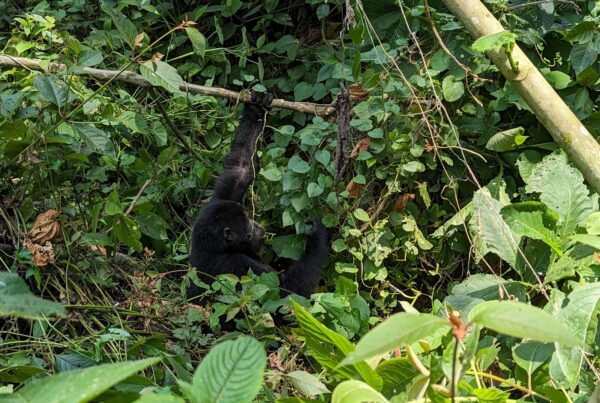
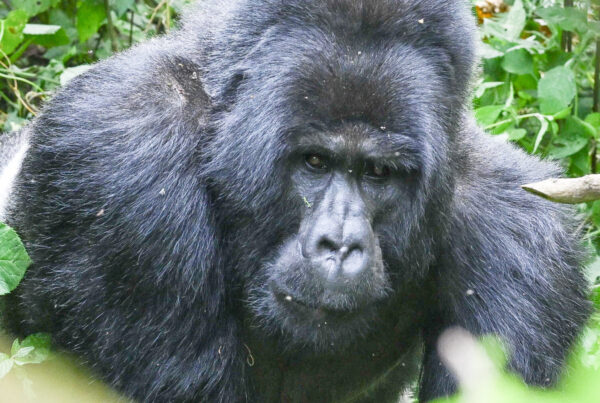
When you reach Bwindi, you will find a national park with active health protocols, experienced rangers, and gorilla families behaving exactly as they always do — feeding, moving, socialising, raising infants. The park has not closed. The gorillas are not sick. The rangers are not frightened. The lodges are open. The only thing that has changed is the volume of visitors, which has dropped — meaning your gorilla trekking experience may actually be more intimate and less crowded than it would have been under normal conditions.
What to Do Before Making a Final Decision
Do not make a cancellation decision based on a headline. Instead, take these specific steps. First, check the current travel advisory from your country’s foreign affairs ministry for Uganda, specifically looking for whether any advisory covers the southwestern region or the gorilla trekking areas. In almost all cases, you will find that advisories are either not elevated for that region or provide specific guidance about which parts of Uganda are affected. Second, contact your tour operator directly and ask them for the current situation in the Bwindi/Kisoro area specifically. A good operator will give you honest information because their long-term business depends on it. Third, check the Uganda Wildlife Authority website for any park closure notifications — if the parks were genuinely unsafe, they would be closed.
Your Permit, Your Deposit, and Your Options
If you do decide to postpone rather than cancel outright, most operators in the current climate are offering flexible rebooking policies because they understand the headline-driven anxiety their clients are experiencing. Ask your operator specifically about rebooking versus cancellation terms. Many are allowing date changes without penalty, moving trips to the second half of 2026 or into 2027. If you cancel outright, Uganda Wildlife Authority gorilla permits are generally non-refundable after a certain point, and lodge deposits vary by property. The cost of an unnecessary cancellation — both financially and in terms of lost permit availability for your preferred future dates — can be substantial.
The Decision Most Informed Travellers Are Making
The travellers who are researching this properly — who are checking the geography, reading the actual advisories, and speaking to operators on the ground — are proceeding with their trips. They are finding that the gorilla trekking experience is as extraordinary as it has always been, that the southwestern Uganda tourism corridor is functioning normally, and that the intimacy of the experience is heightened by the lower visitor numbers. The travellers who are cancelling based on headlines alone are making decisions based on incomplete information — and many will regret it when they see the photos from the travellers who went.