Packing for the Complete Ugandan Experience
Most packing guides for Uganda focus exclusively on gorilla trekking gear: hiking boots, rain jackets, garden gloves, and the other essentials for your hour in Bwindi’s forest. But a Ugandan safari typically extends far beyond that single trek. You may spend days on game drives in Queen Elizabeth National Park, boat cruises on the Kazinga Channel, chimpanzee tracking in Kibale, village visits, and evenings at lodges ranging from basic campsites to luxury properties. Each activity has its own equipment requirements, and packing for the complete safari requires thinking beyond the forest.
This guide provides a comprehensive packing list for a multi-activity Ugandan safari, organised by activity type rather than by generic categories. It covers clothing, electronics, health supplies, documents, and the specific items that make each component of your safari more comfortable and rewarding.
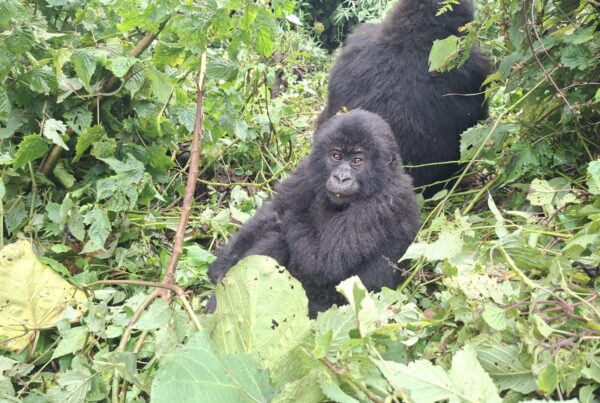
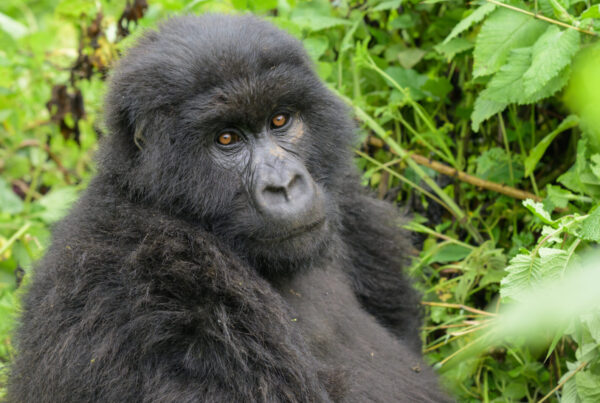
Gorilla Trekking Essentials
The gorilla trek demands the most specialised equipment of any safari activity. Start with sturdy hiking boots that have been worn in before your trip. New boots cause blisters, and blisters in Bwindi’s muddy forest are miserable. Boots should provide ankle support, have aggressive tread for slippery surfaces, and be water-resistant if not fully waterproof.
Long trousers and a long-sleeved shirt protect against stinging nettles, thorns, and insect bites. Lightweight, quick-dry fabrics are ideal, as they handle sweat and rain better than cotton. Avoid dark colours that absorb heat and bright colours that may disturb wildlife. Neutral tones like khaki, olive, and brown are standard safari colours for good reason.
A light rain jacket or poncho is essential regardless of season. Bwindi’s weather is unpredictable, and rain can occur even during the dry season. Ponchos offer better ventilation than jackets but can be awkward in dense vegetation. Many trekkers bring both and choose based on conditions.
Garden gloves, the inexpensive cotton or canvas type, protect your hands when gripping vegetation on steep sections. They cost little, weigh nothing, and make a surprising difference in comfort and confidence on difficult terrain.
Game Drive and Safari Clothing
Game drives in Uganda’s savannah parks require different clothing than forest trekking. Early morning drives can be surprisingly cold, particularly in open vehicles. A warm fleece or light jacket is essential for the dawn departure, even if temperatures rise significantly by mid-morning.
Wide-brimmed hats and sunglasses protect against the intense equatorial sun. Buffs or lightweight scarves serve multiple purposes: sun protection, dust filtering on dirt roads, and improvised masks if conditions are dry and windy.
Neutral colours matter for game drives too. White and bright colours are visible to wildlife and may alter animal behaviour. Camouflage patterns should be avoided, as they can create confusion with military personnel in some regions.
Comfortable walking shoes or sandals are useful for lodge grounds, campfire evenings, and short nature walks. You do not need heavy boots for every moment of your safari.
Boat Cruise and Water Activity Gear
Boat cruises on the Kazinga Channel, Lake Victoria, or the Nile require sun protection and spray resistance. Polarised sunglasses reduce glare on water and improve wildlife viewing. Waterproof bags or cases protect cameras and phones from splashes.
Quick-dry clothing is valuable for boat activities, as spray and occasional rain are common. A light windbreaker protects against the cooling effect of movement on water, which can be significant even on warm days.
Electronics and Power Management
Uganda uses 240V, 50Hz electricity with British-style three-pin plugs. Universal travel adapters are essential. Power in some lodges is generator-based and available only during specific hours. Portable power banks keep phones and cameras charged during power outages.
Camera equipment requires particular attention. Bring multiple memory cards formatted before departure. Carry spare batteries, as cold mornings and heavy use drain power quickly. A lightweight tripod or monopod is useful for low-light photography at dawn and dusk, though bulky tripods are impractical for travel.
Binoculars are arguably the most important optical equipment for a Ugandan safari. While cameras capture moments, binoculars reveal the wildlife that cameras cannot reach. Eight by forty-two or ten by forty-two configurations offer the best balance of magnification, brightness, and field of view for general safari use.
Health and Medical Supplies
Personal first aid kits should include blister plasters, antiseptic wipes, pain relievers, antihistamines, anti-diarrhoea medication, rehydration salts, and any prescription medications you require. Pack medications in your carry-on luggage, not checked baggage.
Insect repellent containing DEET or picaridin is essential for evenings and forest activities. Mosquito nets are provided by most lodges, but carrying a compact travel net provides backup for basic accommodation.
Sunscreen with high SPF protects against equatorial sun intensity that many visitors underestimate. Lip balm with sun protection prevents cracked lips in dry conditions. Hand sanitiser is useful when washing facilities are unavailable during travel days.
Documents and Money
Your passport, printed e-visa approval, yellow fever certificate, and gorilla permit voucher are the most critical documents. Carry photocopies separately from originals. Digital backups stored in cloud storage provide additional security.
US dollars in cash are widely accepted and essential for tips, porter fees, and purchases in areas without card facilities. Bring bills in good condition, as torn or marked notes may be refused. Small denominations are particularly useful for tipping.
Credit cards are accepted at higher-end lodges and in Kampala, but many rural businesses operate cash-only. Notify your bank of travel plans to prevent card blocks on international transactions.
Luggage Strategy
Soft duffel bags are preferable to hard-shell suitcases for safari travel. They fit more easily into safari vehicle storage compartments and are easier to handle on rough roads. Internal organisation using packing cubes keeps clothing sorted and accessible.
Daypacks for trekking and game drives should be comfortable, weather-resistant, and large enough for water, snacks, camera equipment, and rain gear. A hydration bladder system can be more convenient than water bottles for all-day activities.
Final Thoughts
Packing for a Ugandan safari is not about bringing everything you might conceivably need. It is about bringing the right things for the specific activities you have planned, the conditions you will encounter, and the level of comfort you require. Every item you pack should earn its place in your luggage through genuine utility.
When you stand before a silverback in Bwindi, when you watch elephants drink at the Kazinga Channel, when you hear chimpanzees pant-hoot in Kibale, the quality of your experience will depend far more on your preparation and presence than on the specific brand of your boots or the megapixel count of your camera. Pack wisely, travel lightly, and bring your full attention to the extraordinary encounters that await.