Packing for the Forest, Not the Safari Vehicle
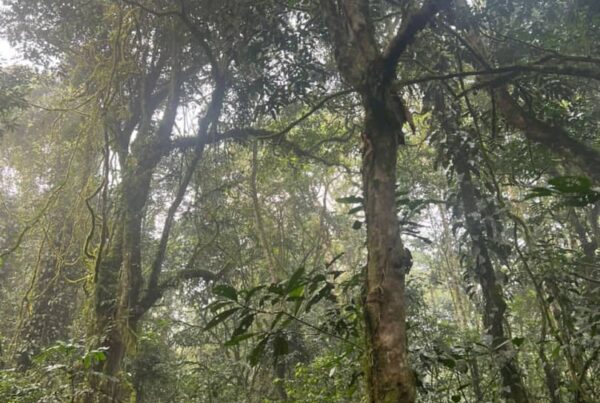
The difference between a comfortable gorilla trek and a miserable one often comes down to what you packed. Bwindi’s forest is not forgiving to those who arrive unprepared. Rain arrives without warning, mud claims inadequately shod feet, stinging nettles punish exposed skin, and the physical exertion of uphill hiking reveals every flaw in clothing choice. A well-packed trekker glides through these challenges with equanimity. A poorly packed trekker spends the day battling discomfort that distracts from the extraordinary encounter they came to experience.
This packing list goes beyond generic safari recommendations to address the specific demands of gorilla trekking in Bwindi Impenetrable National Park. It covers clothing, footwear, gear, photography equipment, health supplies, and the small items that experienced trekkers never leave behind. Use it as a checklist, customise it for your specific needs, and pack with the understanding that every item you carry serves a purpose in the forest.
Clothing: The Layered Approach
The forest climate is unpredictable. Morning temperatures may be twelve degrees Celsius and rainy, transitioning to twenty degrees and humid by midday. The layered approach allows you to adjust throughout the trek without carrying excessive bulk.
Start with a moisture-wicking base layer, synthetic or merino wool long-sleeved top and lightweight trekking trousers. Avoid cotton, which absorbs moisture and stays wet. Add a light fleece or softshell jacket for warmth during early morning starts and rest stops. Your outer layer should be a waterproof, breathable rain jacket or poncho that covers your torso and ideally extends below your hips.
Neutral earth tones are recommended: khaki, olive, brown, or forest green. Dark colours attract tsetse flies, and bright colours disturb wildlife. Do not wear camouflage or military-style clothing, which may be confused with ranger uniforms and is discouraged by UWA.
Footwear: Your Most Critical Investment
The single most important piece of equipment for gorilla trekking is your footwear. Bwindi’s trails are uneven, muddy, and occasionally slippery. Inadequate shoes cause blisters, rolled ankles, and falls that can end your trek prematurely.
Invest in sturdy, waterproof hiking boots with ankle support. The boots should be well broken-in before your trip; brand-new boots on trek day are a recipe for blisters. Many experienced trekkers bring gaiters to keep mud and debris out of their boots. A spare pair of comfortable shoes or sandals for after the trek allows your feet to recover during the drive back to your lodge.
Break your boots in by wearing them on progressively longer hikes in the weeks before your trip. Walk on varied terrain including hills and uneven ground. If you feel hotspots developing during breaking-in, address them immediately with blister plasters or adjustments to lacing or sock choice.
Photography and Electronics
Most trekkers want to photograph the gorillas, and the forest environment demands specific equipment considerations. Bring a camera with manual controls so you can disable flash and adjust for low light. Extra batteries are essential; cold and humidity drain power faster than normal, and you cannot recharge in the forest. Memory cards should be spacious; a single hour with active gorillas can generate hundreds of photographs.
Smartphones are entirely adequate for most trekkers. Modern flagship phones handle low light surprisingly well, and their compact size is advantageous in tight forest spaces. Bring a portable power bank to recharge your phone between the trek and your return to the lodge.
Protect all electronics from moisture. Ziplock bags or waterproof pouches are inexpensive insurance against rain and humidity. A small microfiber cloth removes condensation from lenses without scratching them.
Health and Safety Supplies
Your daypack should contain a basic first aid kit: blister plasters, pain relievers, antihistamines for insect bites, antiseptic wipes, and any personal medications. Insect repellent with DEET or picaridin reduces bites from sweat bees and other forest insects. Sunscreen is relevant for the open walking phases before entering dense forest.
Hydration is critical. Carry two to three litres of water in reusable bottles or a hydration bladder. Your lodge can refill bottles with safe drinking water. Energy snacks such as nuts, dried fruit, or energy bars maintain blood sugar during the physically demanding hike.
A small roll of toilet paper and hand sanitiser are prudent additions. While lodges provide facilities, the forest itself offers only vegetation, and you may need to address personal needs during rest stops.
Daypack and Accessories
Your daypack should be comfortable, water-resistant, and large enough to carry water, snacks, camera, rain gear, and extra layers without being bulky. A twenty to thirty litre capacity is ideal. Look for padded shoulder straps, a waist belt that transfers weight to your hips, and a rain cover or waterproof lining.
Garden gloves or thin trekking gloves protect your hands when gripping vegetation for balance or pulling yourself up steep sections. A wide-brimmed hat or cap with neck flap protects against sun and rain. Polarised sunglasses reduce glare during open walking phases.
A waterproof bag for your permit, passport, and cash keeps essential documents dry. Some trekkers bring a change of socks in a sealed bag; changing into dry socks at the end of the trek is one of life’s small but profound pleasures.
What Not to Pack
Just as important as what you bring is what you leave behind. Do not bring perfume, cologne, or scented deodorant; gorillas have sensitive noses, and strong scents disturb them. Do not bring jewellery or valuables that could be lost or damaged. Do not bring drones, which are prohibited in national parks. Do not bring excessive cash; carry only what you need for tips and incidental purchases.
Leave your trekking pole at home unless you have specific mobility needs. UWA generally discourages poles because they can accidentally contact gorillas or vegetation that gorillas touch. If you require a pole for stability, inform your guide, who will brief you on safe usage.
Final Thoughts
Packing for gorilla trekking is not about bringing everything you might conceivably need. It is about bringing the right things, chosen for the specific demands of Bwindi’s forest, and leaving behind everything that adds weight without adding value. The well-packed trekker moves through the forest with confidence, knowing that whatever the weather and terrain present, they have the equipment to handle it comfortably.
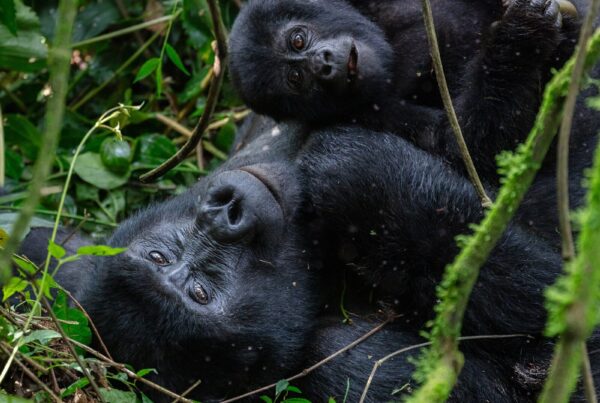
When you finally stand before a silverback, you will not be thinking about your packing list. You will be absorbed in one of the most extraordinary wildlife encounters on Earth. But the quality of that absorption depends partly on whether you are cold, wet, uncomfortable, or distracted by blisters. Pack well, trek comfortably, and let the gorillas command your full attention.
Frequently Asked Questions
Essential: long trousers, long-sleeved shirt, sturdy ankle-high waterproof hiking boots, light waterproof jacket, gardening gloves. Neutral or dark colours are preferred — avoid bright colours. No fragrance products.
Pack light: 1.5–2 litres of water, snacks, rain jacket, camera, insect repellent, personal medication. Your main luggage stays at the lodge. Hire a porter — they carry your daypack and assist on steep terrain.
Not required. UWA rangers provide free wooden walking sticks at the sector briefing point. For Nkuringo sector’s steep descent, good ankle-support boots matter more than poles.
A versatile zoom in the 24–200mm range. A fast lens (f/2.8) handles low forest light. Flash is strictly prohibited. Shoot in RAW. Bring a rain cover — the forest is damp year-round.
Aim for under 5kg. Rangers provide sticks; a porter can be hired for 10–15 USD to carry your bag. The forest terrain is steep and the lighter you travel, the more you enjoy the trek.