The Primate Capital of the World
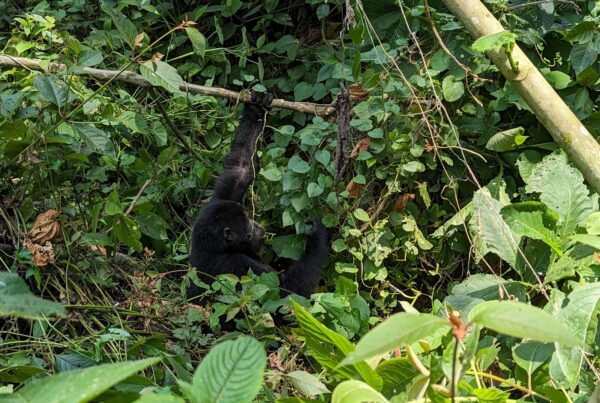
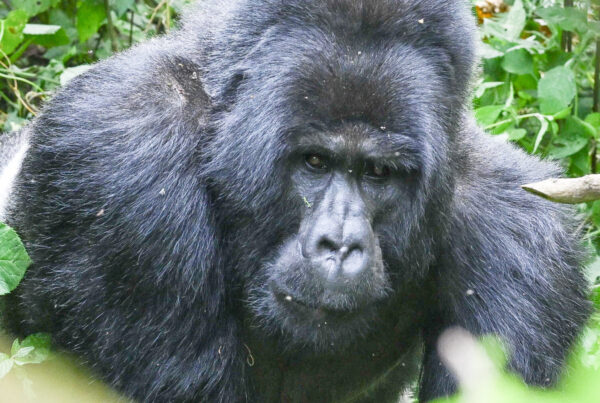
Kibale Forest National Park in western Uganda is the chimpanzee trekking destination of choice for visitors to East Africa — a 795 square kilometre forest that supports the highest density of primates of any forest in the world and provides the most reliable chimpanzee trekking experience available anywhere on the continent. For gorilla trekkers building a Uganda itinerary that combines the primate experiences the country is uniquely positioned to offer, Kibale is the essential complement to Bwindi: where Bwindi gives you mountain gorillas, Kibale gives you chimpanzees, and the two experiences together create a primate immersion available nowhere else on Earth.
Location and Access
Kibale Forest National Park is located in western Uganda, approximately 330 kilometres west of Kampala and 36 kilometres south of Fort Portal. The drive from Kampala via the Kampala-Fort Portal highway takes approximately 5 to 6 hours on paved road. Fort Portal, the nearest significant town, is Uganda’s most pleasant provincial city and the tourism hub for the wider western Uganda region that includes Kibale, Queen Elizabeth, and the crater lake area of the Tooro kingdom.
Charter flights from Entebbe to Kasese or Fort Portal reduce travel time significantly for visitors combining Kibale with Queen Elizabeth and Bwindi. The fort Portal area also has private airstrips that some operators use for direct Entebbe-Fort Portal transfers. Road access from Fort Portal to the Kibale park headquarters at Kanyanchu is approximately 36 kilometres on mostly paved road.
Chimpanzee Trekking at Kibale
Kibale’s chimpanzee trekking programme at Kanyanchu is the most developed and most reliable chimpanzee trekking experience in Uganda. Two habituated chimpanzee communities of approximately 120 individuals each are available for trekking from Kanyanchu, and the encounter success rate — the percentage of trekking days when visitors actually see chimpanzees — is among the highest of any chimpanzee trekking site in Africa, typically 90-95% or higher.
Chimpanzee trekking permits cost $200 per person for morning and afternoon treks — less than a quarter of the cost of a gorilla permit, making chimpanzee trekking one of Uganda’s most accessible premium wildlife experiences. Groups of up to 6 visitors are taken into the forest by UWA ranger-guides, with trackers monitoring the chimpanzee community’s position. Once the community is located, visitors spend one hour in the chimpanzees’ presence, observing their social interactions, foraging, grooming, and play.
Kibale chimpanzees are typically more active and visually engaging than their counterparts at some other sites: the large community size, the habituated nature of the groups, and the forest structure at Kibale creates encounters that often involve close-range interaction with numerous individuals simultaneously — grooming sessions, infant play, dominant male displays, and the general social theatre of chimpanzee community life that their genetic proximity to humans makes so compelling to observe.
The Primate Diversity Walk
Beyond chimpanzees, Kibale Forest supports 12 other primate species — the highest primate diversity of any forest in Africa. Red colobus monkeys, black-and-white colobus, grey-cheeked mangabeys, red-tailed monkeys, olive baboons, L’Hoest’s monkeys, vervet monkeys, blue monkeys, and several other species inhabit the forest alongside the chimpanzees. The Primate Diversity Walk — a guided morning walk through Kibale that focuses on encountering as many primate species as possible — regularly produces sightings of 6 to 8 species in a single outing, providing a comprehensive primate experience that complements the focused chimpanzee trek.
The primate diversity walk is an excellent activity for visitors who have already completed the chimpanzee trek or who want to understand Kibale’s primate community more broadly. The guides who lead these walks have detailed knowledge of each primate species’ habitat preferences, behaviour, and typical locations within the forest, and the structured comparison of multiple primate species within a single morning walk provides ecological context for understanding how different primates partition the forest’s resources.
Bigodi Wetland Sanctuary
Adjacent to Kibale Forest, the Bigodi Wetland Sanctuary is managed by the Kibale Association for Rural and Environmental Development (KAFRED) — a community organisation that has managed the wetland since 1992 as a community conservation and tourism enterprise. Bigodi Wetland is a papyrus swamp system that supports extraordinary bird diversity — over 200 species — alongside primates including red colobus and chimpanzees that move between the forest and wetland edges.
The Bigodi walk is guided by community rangers and provides both wildlife viewing and community engagement: the sanctuary’s tourism revenue goes directly to community development projects in Bigodi village, and visitors walking through the wetland are directly contributing to a conservation model that has protected this habitat for three decades. For birders visiting Kibale, Bigodi is essential: the papyrus wetland species including Papyrus Gonolek, White-winged Warbler, and other specialists are found here in numbers not matched elsewhere in western Uganda.
The Crater Lakes of Fort Portal
The Fort Portal area surrounding Kibale is studded with a remarkable concentration of volcanic crater lakes — over 50 lakes within the Tooro region — that create one of Uganda’s most scenic landscapes. These lakes, ranging from small, deep calderas with bright blue or green water to larger lakes supporting significant fishing communities, are the legacy of ancient volcanic activity in the western Rift Valley. Several lakes near Fort Portal offer walking, swimming, and scenic photography experiences that make excellent half-day excursions from a Kibale base.
Nkuruba Community Campsite on the shore of Lake Nkuruba, Lake Nyinambuga, and the twin lakes of Kyaninga and Nyabikere are among the most accessible and most scenic of the crater lakes within reach of Fort Portal. The combination of crater lake scenery with Kibale primate experiences creates a western Uganda itinerary with extraordinary natural diversity.
Where to Stay near Kibale
Accommodation options near Kibale range from basic community bandas at Kanyanchu headquarters to luxury lodges at the forest edge. Primate Lodge Kibale, set within the park at the forest boundary, offers comfortable tented accommodation with forest access and excellent service standards. Kyaninga Lodge, on the shore of Lake Kyaninga approximately 30 kilometres north, provides some of the most spectacular accommodation in western Uganda — luxury cottages overlooking a crater lake surrounded by forest — as an alternative base for Kibale visitors willing to drive to the park for activities. Fort Portal town has a range of mid-range hotels for budget-conscious visitors who prefer town services as a base.
Combining Kibale with Gorilla Trekking
The classic Uganda primate circuit combines Kibale chimpanzee trekking with Bwindi gorilla trekking, often with Queen Elizabeth National Park as an intermediate stop. From Kibale, the route south passes through Queen Elizabeth (1 to 2 nights for game drives and the Kazinga Channel) before continuing to Bwindi for gorilla trekking. The full circuit from Entebbe — Kibale, Queen Elizabeth, Bwindi, return — typically takes 7 to 10 days and represents one of Africa’s finest wildlife itineraries.
Final Thoughts
Kibale Forest National Park offers the most reliable and most rewarding chimpanzee trekking experience in Africa, wrapped in a landscape of extraordinary primate diversity and complemented by wetland birding and crater lake scenery that elevate it above a single-activity destination. For gorilla trekkers planning a Uganda itinerary, adding Kibale is not an optional extra — it is the pairing that completes the picture of what Uganda’s primate resources make uniquely possible.