The Reality of Connectivity in the Forest
For travellers who have grown accustomed to high-speed internet in every hotel, cafe, and public space, the connectivity situation around Bwindi Impenetrable National Park requires significant adjustment. This is not a destination where you can count on streaming video, uploading large photograph files in minutes, or maintaining uninterrupted video conferences with colleagues back home. The internet infrastructure in southwestern Uganda, while improving, remains limited by the same geographical challenges that make Bwindi a wilderness destination: mountains, dense forest, and remoteness from urban centres.
Understanding what internet access is actually available, where it works, and how to manage your digital needs during a gorilla trekking trip prevents frustration and allows you to plan accordingly. This guide provides realistic expectations for Wi-Fi at lodges, mobile data options, and strategies for staying connected without letting connectivity concerns dominate your experience.
Wi-Fi at Bwindi Safari Lodges
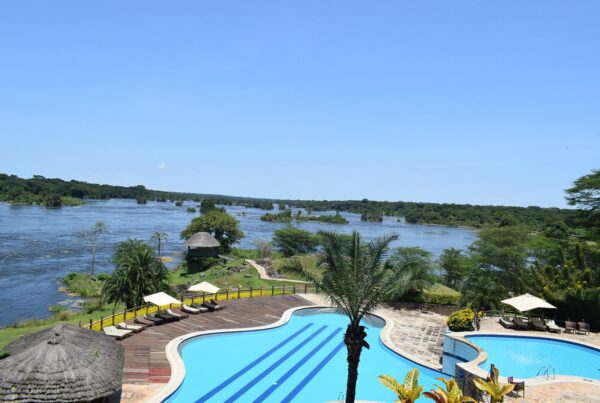
Most established safari lodges near Bwindi now offer Wi-Fi to guests, though the quality and reliability vary dramatically by property. Luxury lodges typically invest more in connectivity infrastructure, sometimes installing satellite internet systems or dedicated fibre connections where available. Mid-range and budget lodges may offer Wi-Fi that is functional for basic messaging and email but struggles with anything more demanding.
The fundamental constraint is bandwidth. Even lodges with the best available connections share limited bandwidth among all guests, staff, and operational systems. When the lodge is full, speeds slow noticeably. Uploading high-resolution photographs from your gorilla trek may take thirty minutes or more per image. Streaming video is generally impractical and inconsiderate to other guests sharing the connection.
Wi-Fi is almost always restricted to common areas rather than individual rooms. This design choice reflects both technical limitations and the lodge ethos of encouraging guests to disconnect and engage with their surroundings. Plan to do your digital tasks in the lounge, restaurant, or bar area rather than from your bed.
Mobile Data as an Alternative
For travellers with unlocked phones, purchasing a local Ugandan SIM card with a data bundle often provides better connectivity than lodge Wi-Fi. MTN Uganda and Airtel Uganda both offer prepaid data packages that work in towns near Bwindi and at some viewpoints. However, as discussed in our mobile signal guide, coverage is patchy and unpredictable in the immediate forest vicinity.
Data speeds on mobile networks in rural Uganda are typically 3G rather than 4G, with occasional 4G pockets in towns. This is sufficient for messaging apps, email, and basic web browsing but not for video calls or large file transfers. Data bundles are affordable by international standards, making this a cost-effective option for travellers who need basic connectivity.
When Digital Disconnection Becomes a Gift
Many experienced gorilla trekkers report that the lack of reliable internet was initially frustrating but ultimately liberating. Without the constant pull of notifications, emails, and social media, they found themselves more present for the experiences unfolding around them: the sounds of the forest, conversations with guides and fellow trekkers, and the profound stillness that precedes a gorilla encounter.
If your work or family situation genuinely requires periodic check-ins, establish a schedule rather than remaining constantly available. Inform colleagues that you will be out of contact for most of each day and will respond to messages during designated evening windows. This approach satisfies practical needs without allowing digital obligations to fragment your attention.
Practical Tips for Managing Digital Needs
Before arriving in Bwindi, download any content you might want during downtime: books, podcasts, offline maps, and travel guides. Uploading and downloading large files should be done in Kampala or Entebbe where connectivity is stronger. Bring portable power banks to keep devices charged, as you may need to spend extended periods in common areas where Wi-Fi is available.
For photographers, consider bringing a laptop with an SD card reader so you can review and selectively edit images each evening. Uploading raw files to cloud storage should wait until you return to a location with stronger internet. Select your best images for immediate sharing and save bulk uploads for later.
Final Thoughts
Internet access around Bwindi is a work in progress, improving each year but unlikely to ever match urban standards. Rather than fighting this limitation, embrace it as part of what makes Bwindi special. The forest’s remoteness is precisely what has preserved its gorillas and its wild character. Your temporary digital disconnection is not a failing of infrastructure but a feature of the wilderness experience.
When you return to reliable connectivity after your trek, you may find that the break was more restorative than you anticipated. The emails will still be there. The social media updates will have accumulated. But the memories you made while disconnected, the conversations you had without glancing at screens, and the complete attention you gave to one of nature’s most extraordinary encounters, those are experiences that constant connectivity cannot provide.
- What a 3-Day Uganda Wildlife and Cycling Safari Did to My Family Was Beyond Anything We Expected
- What I Expected vs What I Got on a 3-Day Gorilla Trekking and Cultural Safari in Uganda
- Wildlife Safaris: What to See, Expect, Prepare & Plan — Plus Where to Go in Africa
- Uganda Road Conditions: What to Expect on Safari Drives
- Bwindi Gorilla Trekking with Children: Family Safari Guide
- Chimpanzee tracking in Kibale Forest: what to expect on a Uganda safari
- Road transfer from Kampala to Bwindi: what to expect on the drive west
- Weather at Bwindi Impenetrable Forest: temperature, rainfall and what to expect
- Micro-climates of Bwindi: why it rains in the forest and what to expect
- Road transfers in Uganda: what to expect on the drive from Kampala to Bwindi