Are Uganda gorilla tours overrated? It is a fair question, and one worth investigating honestly rather than dismissing. We looked at the reviews — the good ones and the bad ones — to give you the complete picture.
What the Reviews Actually Say
TripAdvisor, Google Reviews, and travel blogs contain thousands of first-hand gorilla trekking Uganda reviews. The dominant pattern is striking: the overwhelming majority rate the experience as exceptional, transformative, or the best wildlife experience of their lives. The phrase “once in a lifetime” appears in almost every positive review. Five-star ratings dominate on every platform. The proportion of genuinely negative reviews is small — typically under 5% on well-managed operators.
The positive reviews are consistent in their themes: the intimacy of the encounter, the emotional impact of being close to mountain gorillas, the professionalism of the rangers, the beauty of Bwindi forest, and the feeling that the experience justified every dollar and every hour of travel. These are not marketing testimonials — they are written by travellers who paid their own money and made their own assessments.
The Negative Reviews: What They Actually Say
The negative reviews tend to cluster around a few specific complaints. Logistics issues — long road journeys, accommodation falling below expectations, poor communication from operators — account for a significant proportion. A smaller number cite physical difficulty that exceeded expectations (typically from travellers who did not hire a porter or who underestimated the terrain). Very occasionally, a review cites disappointment with the gorilla encounter itself — typically that the hour passed too quickly or that one particular trek was shorter than expected. Almost none of the negative reviews say the gorillas themselves were disappointing. The complaint is almost always with logistics, not the wildlife experience.
Is the Experience Overrated by the Marketing?
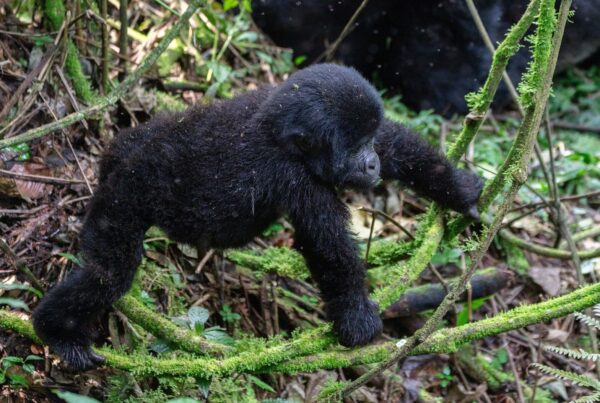
Tourism marketing is, by definition, aspirational. Brochure photographs show silverbacks in full display and infants playing in golden light. The actual experience includes muddy boots, unpredictable weather, and the physical challenge of forest terrain. Some travellers who expected a curated nature documentary feel surprised by the rawness of the real experience. Others — the majority — find the rawness precisely what makes it special. Whether the experience meets expectations depends significantly on what expectations were set before the trip. Our view: gorilla trekking Uganda’s reality exceeds what marketing can adequately convey. The emotional impact of the encounter cannot be photographed or described adequately. It has to be experienced.
How Gorilla Trekking Compares to Other Wildlife Experiences
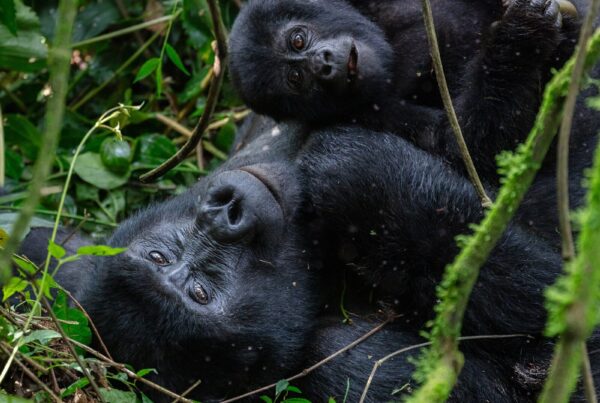
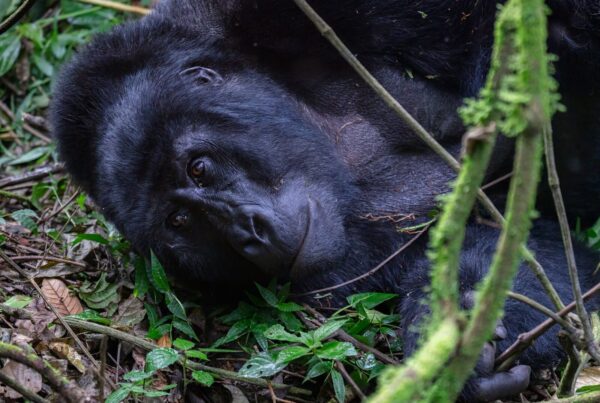
Travellers who have completed major wildlife experiences on multiple continents — African safaris, Amazon boat expeditions, Arctic wildlife watching — consistently rate gorilla trekking among or above the best. The combination of proximity (seven metres from an 800-pound silverback), the intelligence visible in gorilla behaviour, the rarity of mountain gorillas, and the wild forest setting creates an encounter that has no equivalent. This is not marketing. This is the consistent testimony of experienced wildlife travellers who have nothing to prove and no reason to exaggerate.
When the Experience Falls Short: What Goes Wrong
Gorilla trekking falls short when operators cut corners on logistics (substandard vehicles, overcrowded lodges, poor guide briefing), when travellers are physically unprepared for the trek, or when expectations are unrealistic. A traveller who expected a flat walk through picturesque forest and encountered a steep four-hour muddy climb will be disappointed regardless of the gorilla quality. Preparation and honest expectation-setting are the difference between a difficult day and a magnificent one. Our briefing process is designed specifically to ensure clients arrive prepared for what they will actually encounter.
Our Honest Verdict on the Reviews
Uganda gorilla tours are not overrated. They are, if anything, under-delivered by most descriptions because the actual emotional impact exceeds what language captures. The negative reviews are real and the concerns they raise are valid — logistics matter, preparation matters, and operator quality matters. But the core experience — one hour with a habituated mountain gorilla family in the ancient forest of Bwindi — is exactly as extraordinary as the best reviews describe. We stand by that assessment completely.
Frequently Asked Questions
Uganda is home to the mountain gorilla (Gorilla beringei beringei), one of two subspecies of eastern gorilla. They live exclusively in the Virunga volcanic highlands (Uganda/Rwanda/DRC) and Bwindi Impenetrable Forest (Uganda only). Mountain gorillas are the only gorilla subspecies that cannot survive in captivity — every individual you can trek is a wild animal.
The standard gorilla trekking permit gives you exactly 1 hour with the gorilla family. This time begins when you make first contact with the family — the ranger signals the start. The Gorilla Habituation Experience gives 4 hours with a semi-wild family. The walk to find the gorillas can take 30 minutes to 5 hours depending on where the family has moved.
Stay calm, crouch down slowly, avoid direct eye contact, and remain quiet. Do not run — running triggers a chase response. Rangers accompanying your group manage close approaches. Habituated gorillas are accustomed to humans and almost never make contact, but a charging silverback is managed by staying still and following ranger instructions immediately.
A maximum of 8 visitors per habituated gorilla family per day for standard trekking. The Gorilla Habituation Experience has a maximum of 4 visitors per family per day. These limits are set by UWA to minimise stress on the gorilla families and maintain the quality of the experience.
Uganda is home to the mountain gorilla (Gorilla beringei beringei), one of two subspecies of eastern gorilla. They live exclusively in the Virunga volcanic highlands (Uganda/Rwanda/DRC) and Bwindi Impenetrable Forest (Uganda only). Mountain gorillas are the only gorilla subspecies that cannot survive in captivity — every individual you can trek is a wild animal.