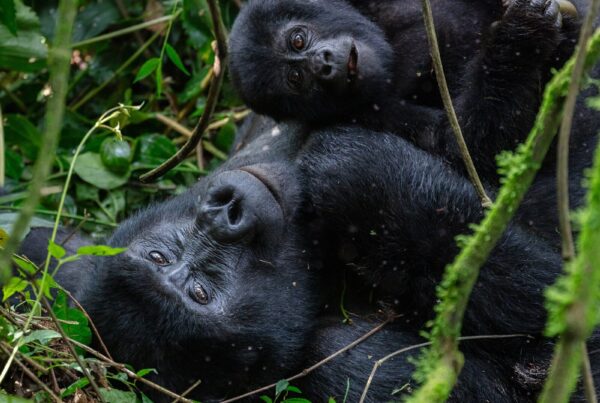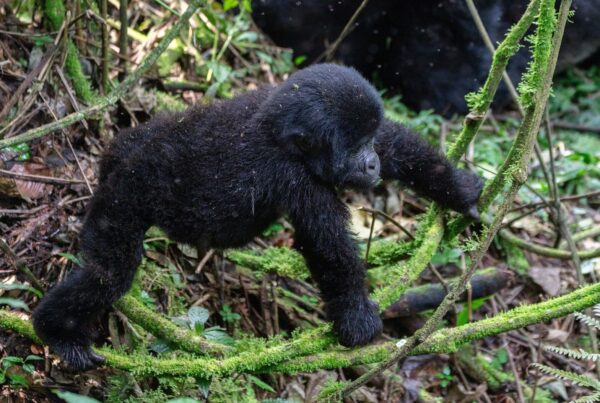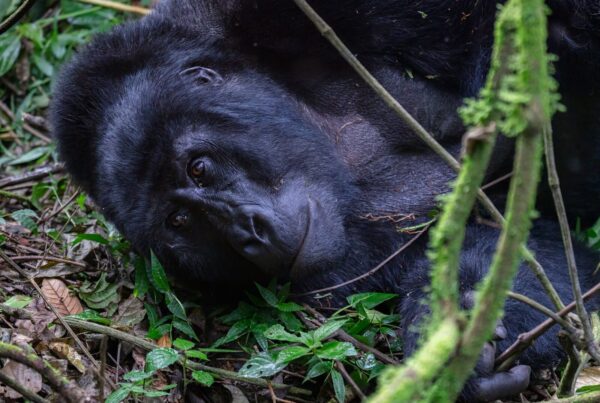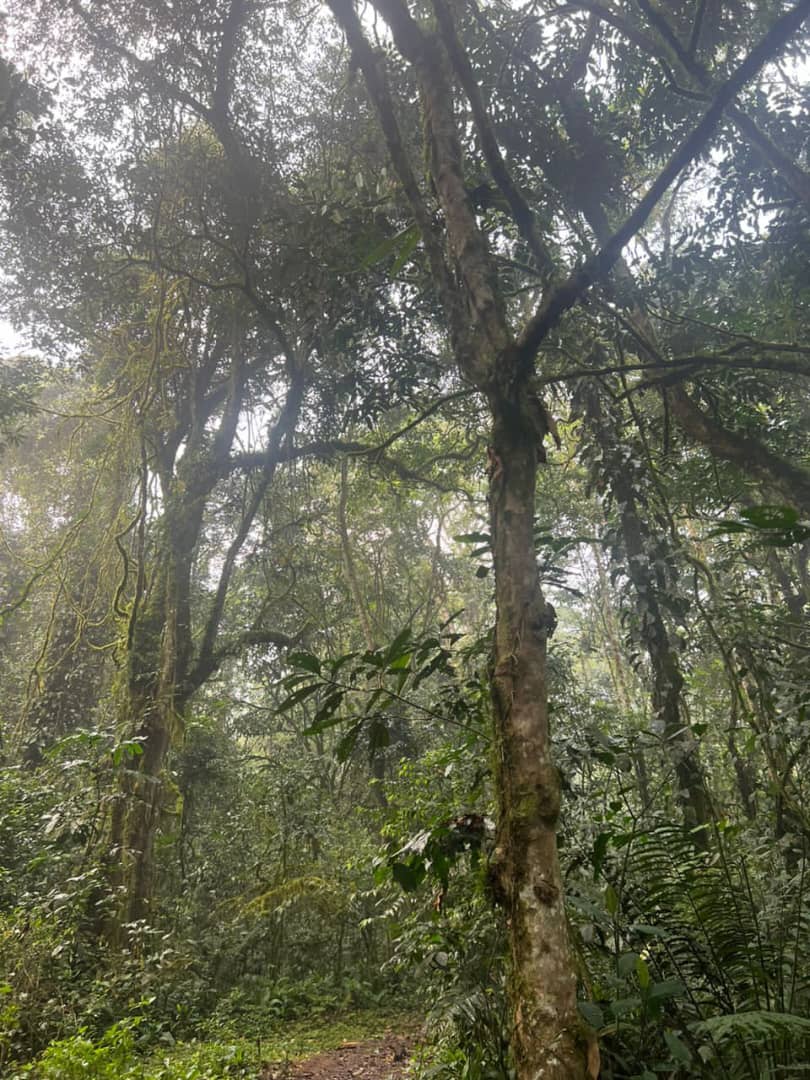
Getting to Bwindi Impenetrable National Park from Kampala or Entebbe takes either a 7–10 hour road transfer through southwest Uganda or a 1-hour charter flight to Kihihi or Kisoro airstrip — and the choice between driving and flying is one of the first practical decisions in any gorilla trekking itinerary. The road journey through Mbarara and Kabale is scenic and gives you the feel of Uganda’s landscape; the flight saves a full day of travel time on each end. Both options are covered in the Bwindi planning guide, and gorilla safari packages typically include transfers in the price.
- Road distance: approximately 500 km from Kampala (7–10 hours by 4WD)
- Airstrip — Buhoma sector: Kihihi airstrip, approximately 1 hour drive from Buhoma
- Airstrip — Rushaga/Nkuringo: Kisoro airstrip, approximately 30–45 minutes
- Charter operators: Aerolink Uganda, Fly Uganda (from Entebbe, ~1 hour flight)
- Charter cost: approximately $300–$500 USD per person one-way (varies by load)
- Road condition: tarmac to Kabale; gravel sections on final approach to some sectors
The journey from Uganda’s arrival points to Bwindi Impenetrable National Park is an integral part of the gorilla trekking experience, not merely a logistical hurdle to be overcome. The ten-hour drive from Entebbe to Bwindi traverses some of Uganda’s most beautiful landscapes: rolling hills, terraced farmland, crater lakes, and the dramatic escarpment of the Albertine Rift. Travellers who treat this journey as part of the adventure rather than an obstacle to it arrive at Bwindi with a richer understanding of the country they are visiting. Those who fly, while saving time, miss a scenic and cultural introduction that adds depth to the overall experience.
This guide examines every transport option for reaching Bwindi from Kampala and Entebbe, comparing costs, travel times, comfort levels, and the practical considerations that should inform your choice. Whether you prioritise speed, scenery, cost, or comfort, understanding your options ensures that the journey enhances rather than detracts from your gorilla trekking safari.
Private Vehicle With Driver: The Most Popular Choice
Hiring a private four-wheel-drive vehicle with an experienced driver is the transport option chosen by most international visitors. This method offers flexibility, comfort, safety, and local knowledge that no other option provides. You set your own departure time, stop where you wish, and travel at your own pace without coordinating with other passengers.
The standard vehicle for this route is a Toyota Land Cruiser or similar robust four-wheel-drive with seating for up to seven passengers. These vehicles handle Uganda’s varied road conditions confidently, from excellent paved highways to rough dirt tracks near Bwindi. Reputable operators maintain their vehicles well and employ drivers who know the route intimately, including the best stops for views, meals, and photography.
Cost varies based on vehicle type, operator reputation, and whether fuel is included. Expect to pay approximately one hundred to one hundred fifty dollars per day for the vehicle and driver, plus fuel costs for the approximately eight hundred kilometre round trip. Total transport cost typically ranges from four hundred to six hundred dollars for the round journey, depending on specific arrangements.
The drive from Entebbe to Bwindi takes eight to ten hours under normal conditions, though road construction, traffic around Kampala, and weather can extend this. Most travellers break the journey with an overnight stop at Lake Mburo National Park or Mbarara, transforming a long drive into a more relaxed two-day transfer with wildlife viewing opportunities.
Self-Drive: For the Independent Adventurer
Self-driving in Uganda appeals to experienced African travellers who value independence and are comfortable navigating unfamiliar road systems. Vehicle rental costs approximately seventy to one hundred twenty dollars per day for a suitable four-wheel-drive, plus fuel, insurance, and a security deposit typically held on a credit card.
The route from Entebbe to Bwindi follows the Masaka-Mbarara-Kabale-Kisoro road, which is paved and in reasonable condition as far as Kabale. The final section from Kabale to Bwindi involves rougher roads, steep sections, and occasional muddy patches that demand careful driving. A standard sedan is not suitable for this route; four-wheel-drive capability is essential.
Navigation requires preparation. While GPS and mobile mapping apps work in Uganda, they sometimes show routes that do not exist or miss local shortcuts that drivers know. Download offline maps before departure, as mobile data coverage is patchy in rural areas. Carry cash for fuel purchases, as card payments are not always accepted at rural petrol stations.
Self-driving saves the cost of a driver but adds responsibility for vehicle maintenance, navigation, and dealing with any problems that arise. A breakdown in a remote area could be seriously inconvenient, and roadside assistance is limited outside major towns. For most visitors, the savings do not justify the added stress and risk.
Scheduled Group Safaris: Shared Transport
For budget-conscious travellers, joining a scheduled group safari offers significant cost savings by sharing transport expenses across multiple participants. Group safaris depart regularly from Kampala and Entebbe, particularly during peak season, with set itineraries that include gorilla trekking and often other activities such as game drives and chimpanzee tracking.
Costs are substantially lower than private transport, typically two hundred to four hundred dollars per person for a multi-day group safari including transport, accommodation, and guiding. The downside is reduced flexibility; you travel on fixed dates, follow a set itinerary, and share the experience with strangers who may have different interests and travel styles.
Group safaris vary enormously in quality. Reputable operators use well-maintained vehicles, employ qualified guides, and provide reasonable accommodation. Less scrupulous operators may cut corners on vehicle safety, guide qualifications, and lodge standards to offer rock-bottom prices. Research operators carefully, read recent reviews, and be wary of prices that seem too good to be true.
Public Transport: The Budget Option
Public buses from Kampala to Kisoro, the nearest major town to Bwindi, cost approximately fifteen to twenty-five dollars per person and take ten to twelve hours. Several bus companies operate this route, with varying standards of comfort and safety. The buses are typically crowded, make frequent stops, and do not provide air conditioning.
From Kisoro, you must arrange local transport to your specific lodge or briefing point, which may take an additional one to two hours and cost approximately twenty to forty dollars for a private taxi. This final leg is often the most challenging part of the journey, as local taxi drivers may overcharge tourists unfamiliar with local rates.
Public transport is only recommended for experienced independent travellers who are comfortable with African bus travel, can manage their luggage independently, and have flexibility to deal with delays and complications. For most gorilla trekkers, the modest savings do not justify the discomfort and inconvenience.
Domestic Flights: The Fastest Option
Aerolink Uganda operates scheduled flights from Entebbe to Kisoro and Kihihi, the two airstrips serving Bwindi. Flight time is approximately one hour, compared with eight to ten hours by road. From the airstrip, road transfers to lodges take approximately one to two hours.
Flights cost approximately two hundred to three hundred dollars per person each way, making them significantly more expensive than road transport for groups. However, for solo travellers or those with very limited time, the cost may be justified by the time saved and the comfort of avoiding a long road journey. The aerial views of Uganda’s western highlands are also spectacular.
Flight schedules are limited, typically one or two departures daily, and are weather-dependent. Fog around Bwindi sometimes causes delays or cancellations, particularly during rainy season. Book flights well in advance, as seats are limited and sell out quickly during peak periods.
The Lake Mburo Stopover
Regardless of your transport method, consider breaking the journey with a night at Lake Mburo National Park, located approximately four hours from Kampala en route to Bwindi. This small but rewarding park offers game drives, walking safaris, and boat cruises that provide a gentle introduction to Ugandan wildlife before the intensity of gorilla trekking.
A stopover at Lake Mburo transforms a gruelling ten-hour drive into two manageable five-hour segments, with wildlife viewing and relaxation between them. Zebras, impalas, buffaloes, and numerous bird species are easily seen, and the park’s compact size allows rewarding game viewing in a short time. Many operators build Lake Mburo into their standard gorilla trekking itineraries for this reason.
Practical Considerations for All Transport Methods
Whichever transport option you choose, certain practical considerations apply universally. Depart early, particularly if driving the full distance in one day; leaving Kampala by seven in the morning avoids the worst traffic and maximises daylight for the final sections of rough road. Carry sufficient cash, as ATMs are scarce outside major towns and card payments are unreliable in rural areas.
Pack snacks and water for the journey, as roadside food options vary in quality and hygiene. Bring layers of clothing; the vehicle may be air-conditioned or unheated, and temperatures change significantly with altitude. Ensure your camera is accessible, as the scenery deserves documentation.
If you experience motion sickness, bring appropriate medication. The winding roads through the Kigezi highlands and the steep descents toward Bwindi can challenge even those not normally prone to nausea.
Final Thoughts
The journey to Bwindi is not merely transportation. It is your introduction to Uganda’s landscapes, its people, and the extraordinary biodiversity that makes this small country one of Africa’s most rewarding destinations. Whether you drive slowly through the countryside, absorbing every view, or fly swiftly over the highlands, arriving with a sense of the distance travelled deepens your appreciation for what awaits.
When you finally stand before a silverback after hours of travel, the journey becomes part of the story. The muddy roads, the spectacular views, the village children waving from roadside compounds, all of these memories integrate with the gorilla encounter to create a complete experience that no shortcut can replicate. The gorillas are worth the journey, however you choose to make it.
How long does it take to drive from Kampala to Bwindi?
The drive takes 7–10 hours depending on your destination sector and road conditions. Buhoma in the north is approximately 7–8 hours from Kampala via Mbarara and Kabale. Rushaga and Nkuringo in the south take 8–9 hours via Mbarara, Kabale, and Kisoro. Allow extra time for Kampala traffic when departing from the city — early morning departure is strongly advised.
Can I fly directly to Bwindi from Entebbe?
No scheduled commercial airlines fly to Bwindi. Charter flights operated by Aerolink Uganda and Fly Uganda connect Entebbe to Kihihi airstrip (for Buhoma) and Kisoro airstrip (for Rushaga and Nkuringo) in approximately one hour. Seats on shared charters cost approximately $300–$500 USD per person one-way. Your tour operator can arrange charter bookings alongside your gorilla permit and lodge.
Is it safe to drive to Bwindi in Uganda?
Yes. The main route from Kampala to Bwindi via Mbarara and Kabale is a well-traveled tarmac road in reasonable condition. The final approach to some sectors involves gravel roads that require a 4WD vehicle, particularly after heavy rain. Most gorilla safari operators provide experienced drivers who know the routes and handle all logistics including the sector approach roads.
What is the best way to get to Bwindi from Kigali?
From Kigali, cross the border at Gatuna-Katuna, then continue by road to Kabale and onward to your Bwindi sector. The total journey is approximately 3–4 hours from Kigali to Buhoma, making it significantly shorter than the Kampala approach. This is why many gorilla trekking itineraries start in Kigali or Entebbe and combine both countries in a single trip.
Can I use public transport to reach Bwindi?
Can I take public transport to Bwindi for gorilla trekking?
Public transport to Bwindi requires multiple connections — bus to Mbarara, then Kabale, then local shared taxis toward the park entrance — and can take two full days from Kampala. It is not practical for most gorilla trekkers on time-limited itineraries and is not commonly done. A private safari vehicle with a driver is the standard transport for gorilla trekking visits to Bwindi.
- Entebbe to Bwindi: All Transport Options Compared 2027
- How to Get to Bwindi: Kampala and Entebbe to Gorilla Country
- Entebbe Airport to Kampala: Taxi Bus and Shuttle Options 2027
- Distance from Kampala to Bwindi: Drive Times and All Routes
- Entebbe to Bwindi: How to Travel After Landing in Uganda
- Nairobi to Bwindi: Overland and Fly Options Compared
- Bus to Bwindi from Kampala: Schedules and Booking Guide
- Best Stopovers on the Drive from Kampala to Bwindi: Where to Stop and What to See
- Is the Drive to Bwindi Really 8 Hours? All the Options Explained
- Kampala to Bwindi Gorilla Trekking: The 3-Day Express From the Capital