Updated
Empty Lodges, Full Parks — Why Savvy Travellers Are Booking Uganda This Month
Empty Lodges, Full Parks — Why Savvy Travellers Are Booking Uganda This Month
Uganda safari deals 2026 is a subject we explore in depth in this guide, drawing on direct experience and expertise from Uganda’s wildlife and safari industry. There is a very particular kind of travel intelligence that knows when fear creates opportunity. It is the same intelligence that books flights the week after a currency drops, or visits a museum on a Tuesday in January when everyone else is avoiding it. Right now, in Uganda’s gorilla trekking corridor, that intelligence is being applied by a small but growing number of travellers who have done the geography check, read the actual advisories, and realised something that the panicking majority has not: the lodges near Bwindi are quieter than they have been in years, the gorilla permits are available at times that are normally booked solid, and the experience being had by those who are visiting is extraordinary. Here is why.
What Happens When Bookings Drop
When international headlines cause a surge of cancellations in Uganda’s gorilla trekking market, several things happen simultaneously. Lodges that were running at 80 to 90 percent occupancy drop to 40 or 50 percent. Staff ratios improve dramatically — instead of one guide or ranger for every group, there is individual attention. Shared facilities feel private. The intimate, personalised safari experience that costs a premium under normal conditions becomes the standard experience for anyone who shows up. This is not a small benefit. Some of the world’s most celebrated safari lodges in Africa operate on the principle that exclusivity is the premium — and right now, that exclusivity is available in Uganda’s gorilla trekking lodges at standard rates.
Gorilla Permits: The Rarest Commodity in African Wildlife Tourism
Under normal peak-season conditions, gorilla trekking permits in Uganda sell out months in advance. The June to September dry season, in particular, is booked solid by February or March each year. Last-minute permit availability during peak season is essentially non-existent in a normal year. Right now, that dynamic has shifted. Permits that would normally be unavailable for your preferred dates are sitting in the Uganda Wildlife Authority system. The families that are hardest to access under normal booking competition — the larger, more active groups in Bwindi’s Rushaga sector, the dramatic terrain of Nkuringo, the intimate Ruhija birding sector — have availability. For a serious gorilla trekking traveller, this window is genuinely rare. Permit availability during peak season, at a time when lodges have space, is something that may not recur for years.
The Experience on the Ground Right Now
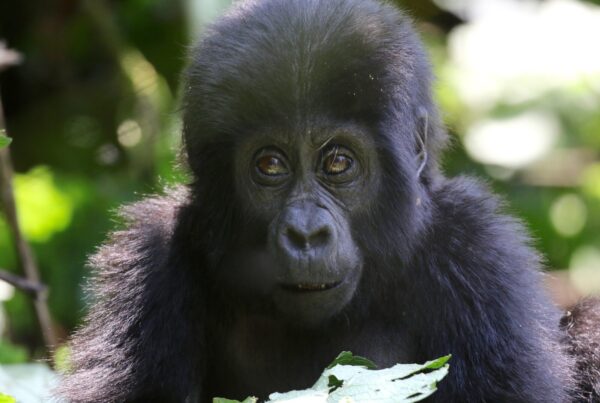
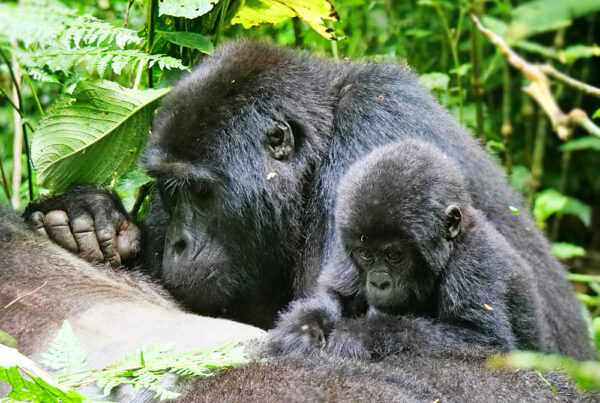
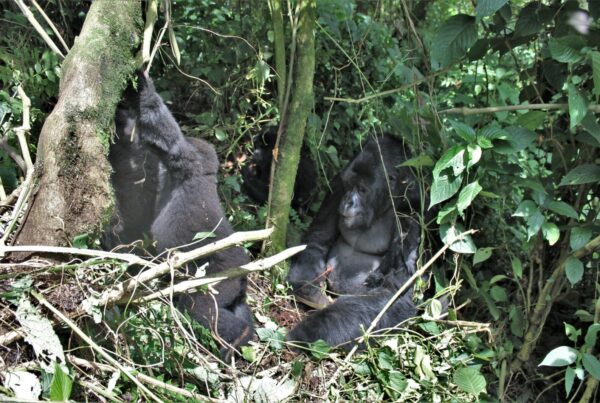
Travellers who have visited Bwindi in the past weeks consistently report the same things. The forest is unchanged — ancient, dense, and alive with sound. The gorillas are doing what gorillas always do: feeding, resting, grooming, playing. The rangers are on the trails, knowledgeable and enthusiastic, with more time for individual attention when groups are smaller. The lodges are fully operational with all their usual services. The food is excellent, the rooms are available, and there is a particular quality to the atmosphere that comes when a destination is not overrun — a quality that every experienced safari traveller recognises as rare and worth seeking out.
The local community guides, porters, and cultural experience operators who depend on tourism income are there and available. The Batwa cultural experiences, the community village walks, the forest birding — all of it is operating and in some cases more accessible and attentive than usual because the guides have fewer bookings competing for their time. This is Uganda’s gorilla experience as it was ten or fifteen years ago, before it became one of the world’s most sought-after wildlife encounters. That window will not stay open for long.
The Value Equation Has Tilted in the Traveller’s Favour
Several operators are currently offering incentives to encourage bookings in the current climate. Lodge upgrades for standard rates, complimentary extra nights, flexible rebooking terms, waived single supplements — the specific offers vary but the direction is consistent. Lodges and operators who understand that the gorilla trekking region is operating normally and that the long-term damage of a booking drought is significant are competing for the travellers who are willing to do their research. If you were ever going to visit Uganda for gorilla trekking and were deterred by the cost — which is the most common reason people delay — now is the moment to look at what the market is offering.
The Travellers Who Will Be Telling This Story for Decades
The people who visit Bwindi in the coming months will have a story that is different from the standard gorilla trekking narrative. They will be able to say they went when others did not. They will have had an experience shaped by intimacy rather than capacity. They will have paid standard rates for a premium experience. And they will have the particular satisfaction of having made an informed decision rather than a fear-driven one. Every great travel story has a moment of decision — a point where the traveller chose curiosity over caution, evidence over anxiety. For Uganda in 2026, this is that moment. The lodges are quieter than they have been in years. The permits are available. The gorillas are there. The only thing missing is you.
Frequently Asked Questions
The standard gorilla trekking permit costs $800 per person for foreign non-residents (FNR). EAC foreign residents pay $700. During low season — April, May, and November — the FNR rate drops to $600. The Gorilla Habituation Experience permit (4 hours, Rushaga sector only) costs $1,800 per person.
Permits are issued by Uganda Wildlife Authority (UWA). Most visitors book through a licensed Uganda tour operator, who handles the UWA reservation, permit transfer, and sector logistics. Direct booking via the UWA eTourism portal is available but operators handle the complexity of sector assignment and date changes.
During peak season (June–September, December–February): book 3–6 months ahead. During low season (April, May, November): 4–8 weeks is usually sufficient. The AFCON 2027 period (June–July 2027) will see unusually high demand — book at least 6 months ahead for any date in that window.
UWA gorilla permits are non-refundable but can be rescheduled to another date subject to availability and sufficient advance notice. Your tour operator handles this process. Travel insurance that covers trip cancellation and curtailment is strongly recommended for all Uganda gorilla bookings.
Yes. The permit price is set by Uganda Wildlife Authority and is fixed regardless of which operator you use. No operator can offer a discount on the $800 permit — only their service fees (accommodation, transport, guiding) vary between companies.