The Biology Reason Why Gorilla Country Is the Safest Place in Uganda Right Now
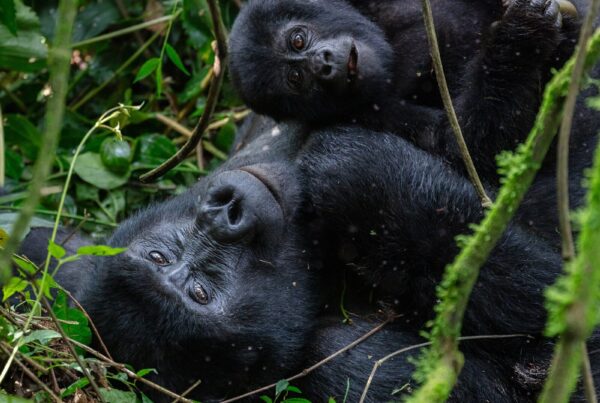
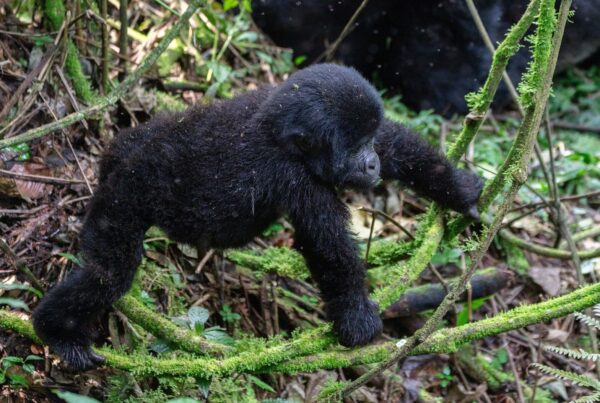
There is a counterintuitive truth hiding in the middle of Uganda’s current tourism situation. While headlines focus on health concerns elsewhere in the country, the southwestern corner of Uganda — the gorilla country corridor anchored by Bwindi Impenetrable National Park — may actually be the safest, most carefully monitored tourism environment in East Africa right now. The reason is biological, geographical, and structural: gorilla conservation has built an infrastructure of health monitoring, access control, and disease surveillance around this corner of Uganda that makes it uniquely protected. Understanding why requires understanding what gorilla conservation actually entails.
Why Gorilla Country Has the Most Controlled Human Access in Uganda
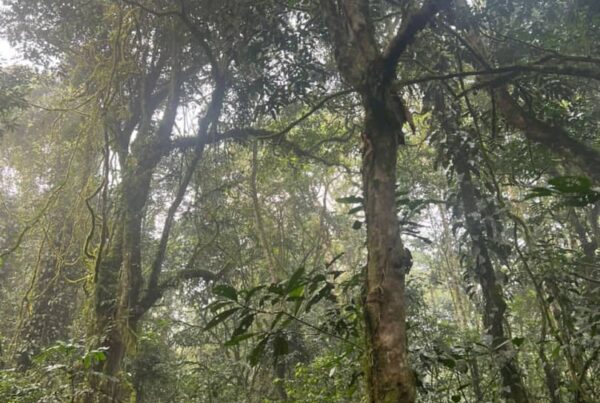
Bwindi Impenetrable National Park is one of the most tightly regulated natural spaces on the continent. Access to the park is controlled through a permit system that limits the total number of visitors to gorilla families each day. Every trekker must pass through a briefing point where rangers check health status, issue rules, and assess whether any visitor shows signs of illness. Anyone with a fever, respiratory symptoms, or visible illness is denied entry — not as a new measure, but as standard protocol that has been in place for years specifically to protect the gorillas from human disease. The park boundary is actively patrolled. The tourism zones are defined and managed. The human traffic into the forest is counted, tracked, and controlled every single day.
This control infrastructure, built to protect the gorillas, simultaneously makes the park a far more regulated and health-screened environment than any hotel lobby, airport terminal, or city street in Uganda. The irony is that the very sensitivity of gorilla conservation — the reason you cannot trek with a cold — creates a health monitoring system around these parks that makes the gorilla tourism zone one of the most carefully managed human environments in the country.
The Geographical Isolation of Southwest Uganda
Southwest Uganda sits at the end of a long road network. Getting to Bwindi from Kampala takes eight to ten hours by road. Getting to Mgahinga takes slightly longer. This geographical remoteness, which frustrates some travellers planning quick trips, is actually a significant protective factor. The southwestern tourism corridor has limited transit connections with the rest of Uganda’s main population corridors. The towns in this region — Kisoro, Kabale, Rukungiri — are not on major transit routes connecting northern, central, and southern Uganda. The human movement patterns in this corner of the country are distinct from those in the regions that have historically been affected by health events.
Daily Health Monitoring of the Gorillas Means Daily Health Monitoring of the Environment
Mountain gorilla tracker teams enter the forest every morning before tourist groups arrive. Their primary job is to locate gorilla groups and confirm their health and position for the day’s trekking. But this daily presence in the forest means that any unusual animal behaviour — which can be an indicator of environmental health changes — is observed and reported continuously. The Mountain Gorilla Veterinary Project analyses this data alongside direct health checks. If anything unusual were happening in the forest ecosystem, the daily tracker system would detect it. This continuous environmental monitoring, funded by gorilla permit revenue, has no equivalent in most other parts of Uganda’s national parks system.
The Permit System as a Health Screening Mechanism
Every gorilla trekking permit sold links to a specific individual, a specific date, and a specific gorilla family. There is no anonymous access. The permit system creates a trackable record of every person who enters the forest zone, when they entered, which rangers accompanied them, and which sector they visited. In normal times this serves conservation management and revenue purposes. In a health-conscious environment, it functions as a contact tracing infrastructure. If a health concern were ever identified in the gorilla trekking zone, the permit database would allow rapid identification and notification of all recent visitors. No equivalent tracking infrastructure exists for most of Uganda’s tourist attractions.
What the Gorilla Conservation Infrastructure Means for You
When you book a gorilla trek in Bwindi or Mgahinga, you are entering one of the most carefully managed and health-monitored environments in Uganda. The daily tracking, the permit controls, the health screening at entry, the veterinary monitoring of the animals, and the geographical isolation of the southwest together create a tourism environment that is genuinely safer and more controlled than almost anywhere else in the country. The gorillas require this level of care. And the infrastructure built around their protection inadvertently makes gorilla country a uniquely safe place to visit at any time — but particularly during a period when Uganda’s health situation is under international scrutiny. The biological sensitivity that makes gorillas need this protection is the same sensitivity that makes gorilla country the most carefully watched corner of Uganda.
Frequently Asked Questions
Yes. The gorilla trekking zones — Bwindi and Mgahinga in southwestern Uganda — have no security concerns. Standard travel precautions apply for Kampala. Uganda Wildlife Authority rangers accompany all trekking groups. Check your government’s current travel advisory before departure and ensure you have comprehensive travel insurance.
Required: Yellow fever vaccination (mandatory for entry — carry the certificate). Recommended: Typhoid, Hepatitis A, Hepatitis B, Rabies (pre-exposure if handling wildlife), Meningococcal. Consult a travel health clinic 6–8 weeks before departure. Malaria prophylaxis is strongly recommended for all Uganda travel.
Yes, though reduced. Bwindi sits at 1,600–2,600m altitude — higher elevations reduce (but do not eliminate) malaria transmission. Malaria prophylaxis is recommended. Common options include atovaquone-proguanil (Malarone), doxycycline, or mefloquine. Consult your doctor for the most appropriate option based on your health history.
Uganda Wildlife Authority requires all gorilla trekkers to be 15 years or older. No exceptions are made regardless of operator, permit type, or family circumstances. Children under 15 cannot participate in gorilla trekking or the Gorilla Habituation Experience.
Yes — comprehensive travel insurance is essential. Look for policies that cover: medical evacuation (critical given Bwindi’s remote location), trip cancellation, and ideally Cancel for Any Reason cover. Ensure your policy explicitly covers high-altitude trekking and wildlife activities. Providers including Battleface, World Nomads, and Campbell Irvine offer policies suitable for Uganda.