Uganda top wildlife destination 2026 — the evidence behind the ranking
Uganda as a top wildlife destination in 2026 is a claim that would have seemed surprising even ten years ago, when Kenya and Tanzania dominated the East African wildlife travel conversation and Uganda occupied a niche position as a gorilla trekking specialist destination for experienced Africa travellers. The shift in Uganda’s global ranking — reflected in multiple 2025 and 2026 travel awards, editorial coverage in major publications, and the booking data of international safari operators — is real, documented, and based on a combination of factors that positions Uganda ahead of its neighbours in specific but important ways. Here is the evidence.
The world’s only mountain gorilla population
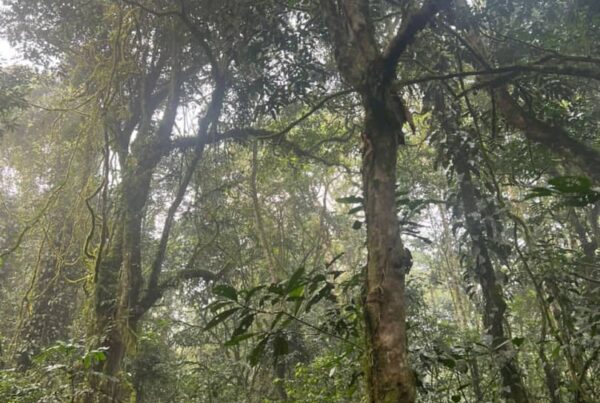
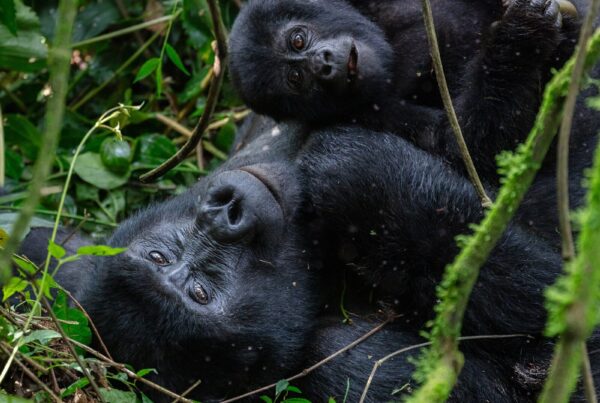
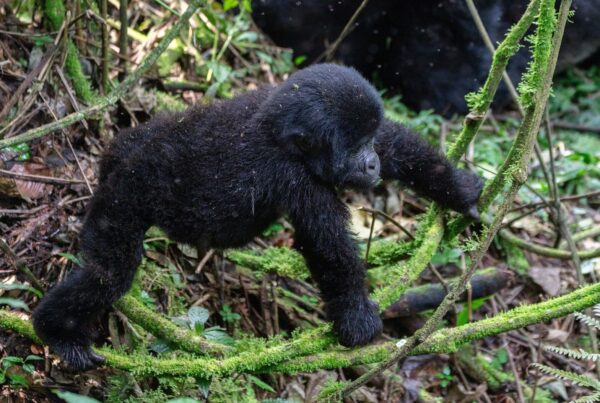
No wildlife destination in the world can offer what Uganda offers: access to habituated mountain gorilla families in a conservation context that is both reliable and ethically exemplary. Rwanda offers the same species, but at higher cost and with a smaller total available population. The DRC offers the same species, but with political and security considerations that limit its accessibility for most international travellers. Uganda’s combination of half the world’s mountain gorilla population, a well-managed tourism infrastructure, a reasonable permit price, and a safety record that has been consistently good for over two decades creates a wildlife proposition that is unique.
The bird diversity record
Uganda’s recorded bird species count — over 1,060 species in a country smaller than the United Kingdom — is the highest of any country in Africa and among the highest per unit area in the world. For serious birders, Uganda is a destination of once-in-a-career significance. For general wildlife travellers, the casual birding available on any Uganda safari — the extraordinary concentrations of waterbirds on the Nile, the forest species available in Bwindi and Kibale, the shoebill stork of the Lake Victoria wetlands — provides a wildlife richness that no other single country in Africa can match across the breadth of species diversity.
Primates: the greatest concentration
Uganda is the only country in the world where a single two-week itinerary can include encounters with mountain gorillas (Bwindi), chimpanzees (Kibale), and multiple other primate species including red colobus monkeys, black-and-white colobus, grey-cheeked mangabeys, and olive baboons. The density of primate species and the quality of the primate encounters available in Uganda — all based on well-managed habituation programmes with decades of refinement — represents a wildlife proposition with no parallel on the African continent.
The classic Big Five safari in Murchison and Queen Elizabeth
Beyond the primates and birds, Uganda’s northern and western national parks offer classic Big Five safari encounters of high quality. Murchison Falls National Park — Uganda’s largest protected area — supports lions, elephants, buffalo, leopards, and Nile crocodiles in concentrations that produce excellent game drive experiences, amplified by the extraordinary drama of the Nile itself flowing through the park. Queen Elizabeth National Park adds hippos, tree-climbing lions in the Ishasha sector, and the extraordinary wildlife diversity of the Kazinga Channel. These parks are less visited and less crowded than their Kenyan and Tanzanian equivalents, creating a quality of encounter that has become increasingly rare in the most popular East African wildlife destinations.
Value for money
Despite the gorilla permit cost — $800, significant but lower than Rwanda’s $1,500 — Uganda offers a value-for-money proposition that its East African competitors struggle to match. Accommodation costs, particularly at the mid-range level, are lower than in Kenya or Tanzania. The density of wildlife experiences available per day of travel — primates in the morning, savannah wildlife in the afternoon, birds throughout — means that the cost per memorable wildlife encounter is extremely competitive. And the absence of the crowds that characterise the peak season at the Serengeti or Masai Mara means that the quality of each encounter, in terms of exclusivity and intimacy, is higher than in Uganda’s more famous neighbours.
The 2026 recognition
The 2026 travel awards and editorial rankings that have recognised Uganda’s position as a top wildlife destination reflect a consensus that has been building in the travel industry for several years. Uganda wins in the categories where it should win — most innovative wildlife conservation, best primate safari destination, most compelling new wildlife destination — and its growing recognition in the broader categories of best wildlife destination in Africa reflects the totality of its offer rather than a single outstanding feature. For any traveller planning their first or their next African wildlife trip, Uganda deserves serious consideration as the destination that offers the broadest, most distinctive, and most conservation-positive wildlife experience on the continent.
Frequently Asked Questions
Kibale Forest National Park, near Fort Portal, has the highest density of chimpanzees in Africa and is Uganda’s premier chimpanzee destination. The standard chimp trekking permit costs $300 FNR. The Chimpanzee Habituation Experience at Kibale ($400 FNR) gives 4 hours with a habituated community — Uganda’s only chimp habituation programme.
Yes — the gorilla + chimp combination is Uganda’s most popular primate itinerary. A typical 8-day route: Entebbe → Kibale Forest (2 nights, chimp trekking) → Queen Elizabeth National Park (2 nights, game drives) → Bwindi (2 nights, gorilla trekking) → Entebbe. Charter flights on any leg reduce travel time significantly.
Uganda has 13 primate species. Commonly seen: olive baboon, vervet monkey, red-tailed monkey, black-and-white colobus, L’Hoest’s monkey, grey-cheeked mangabey. Golden monkeys are found at Mgahinga. Kibale Forest has the highest primate diversity of any East African forest. A dedicated primate safari can tick 7–8 species in a single itinerary.
Uganda has over 1,060 recorded bird species — one of the highest counts of any country in Africa. Bwindi alone has 350+ species including 23 Albertine Rift endemics. Murchison Falls, Queen Elizabeth, and the wetlands around Entebbe round out a world-class birding circuit. The African green broadbill and Shelley’s crimsonwing are Bwindi specialities.
Uganda is home to the mountain gorilla (Gorilla beringei beringei), one of two subspecies of eastern gorilla. They live exclusively in the Virunga volcanic highlands (Uganda/Rwanda/DRC) and Bwindi Impenetrable Forest (Uganda only). Mountain gorillas are the only gorilla subspecies that cannot survive in captivity — every individual you can trek is a wild animal.