New gorilla birth Bwindi 2026 — what we know and why it matters
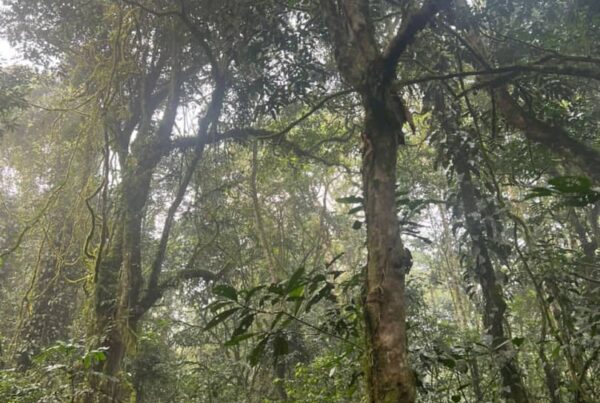
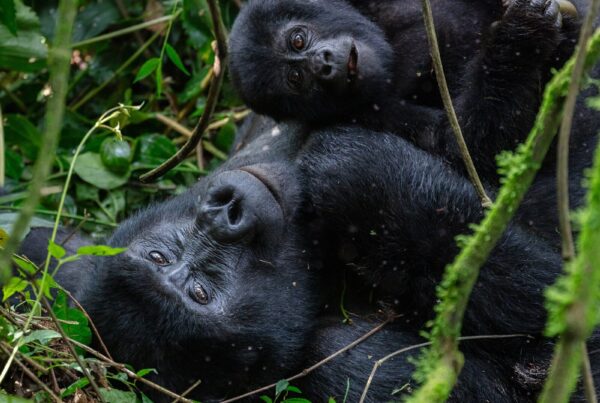
A new gorilla birth in Bwindi Impenetrable Forest in March 2026 has been confirmed by Uganda Wildlife Authority rangers monitoring the Oruzogo family in the Ruhija sector. The infant — born to a female named Nyiramakara, a mid-ranking adult female in the Oruzogo group — is the first birth to the Oruzogo family in over two years and brings the group’s total to 19 individuals. The birth, which rangers estimated occurred in the second week of March based on the first observation of the infant, represents both a contribution to the mountain gorilla population’s ongoing recovery and a moment of significance for the rangers and researchers who know this family intimately.
The birth itself: what rangers observed
Mountain gorilla births occur at night, when the family is in its sleeping nest, and are rarely if ever directly observed. The first indication that a new infant has been born is typically the changed behaviour of the mother — increased protectiveness, the unusual positioning of her arm as she holds the infant against her body, and the reduced mobility that characterises a female in the first days after birth. Rangers monitoring the Oruzogo family reported exactly these behavioural signals when they located the family on the morning of 14 March, and confirmed the birth by observing the infant’s face and hands visible against the mother’s chest when she adjusted her position.
The infant’s condition and early development
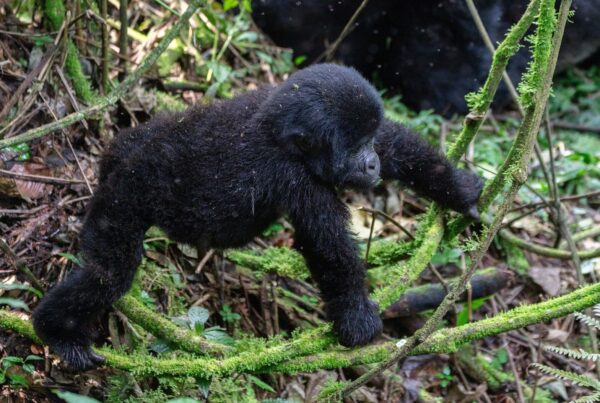
Mountain gorilla infants are born after a gestation of approximately 8.5 months — slightly shorter than human gestation — and weigh approximately 1.8 to 2 kilograms at birth, roughly half the weight of a human newborn. They are helpless at birth, dependent entirely on their mother for warmth, nutrition, and physical support. Rangers monitoring Nyiramakara and her new infant in the days and weeks after the birth observed normal development: the infant feeding regularly, the mother maintaining close contact, and the infant’s grip strength developing as expected. By four weeks of age, the infant was observed clinging independently to its mother’s chest during movement.
Why each gorilla birth matters to conservation
With a total mountain gorilla population of approximately 1,100 individuals across two isolated populations, every birth represents a meaningful contribution to the species’ long-term survival. The Oruzogo family infant is one of perhaps 15 to 20 mountain gorilla births expected across both populations in 2026 — a birth rate that, combined with falling mortality in habituated groups where veterinary intervention is available, is producing a net population increase of approximately 3 to 4 percent per year. This rate, sustained over several decades, is what has brought the population from the near-extinction levels of the 1980s to the record numbers of today.
What the birth means for Ruhija sector visitors
For visitors planning a gorilla trek to the Ruhija sector in 2026, the birth of a new infant in the Oruzogo family is relevant and exciting news. New infants are among the most photographed subjects in gorilla trekking encounters, and the Oruzogo family’s new addition will be visible to trekking groups as it develops over the coming months. Rangers note that Nyiramakara’s previous infant — now a juvenile of approximately three years — is likely to be an attentive older sibling to the newborn, and the sibling interaction will provide an additional layer of social complexity to Oruzogo family encounters in the months ahead.
How Uganda Wildlife Authority monitors new births
Each new birth in a habituated gorilla family triggers an intensified monitoring period by Uganda Wildlife Authority rangers. The mother and infant are monitored at closer intervals than usual, with rangers recording the infant’s weight estimates, developmental milestones, and behavioural observations at each contact. The veterinary team from the Mountain Gorilla Veterinary Project maintains readiness to intervene if any health concerns develop, though for healthy infants born to experienced mothers, veterinary involvement is typically not needed in the early weeks. The monitoring data contributes to the long-term demographic records that inform population management decisions across both the Bwindi and Virunga gorilla populations.
If you would like to arrange a gorilla trek to the Ruhija sector to visit the Oruzogo family and see the new infant as it grows, contact our team. Ruhija sector permits are available for 2026 dates — book early to secure your preferred timing and give the infant the best chance of being active and visible during your encounter.
Frequently Asked Questions
Uganda is home to the mountain gorilla (Gorilla beringei beringei), one of two subspecies of eastern gorilla. They live exclusively in the Virunga volcanic highlands (Uganda/Rwanda/DRC) and Bwindi Impenetrable Forest (Uganda only). Mountain gorillas are the only gorilla subspecies that cannot survive in captivity — every individual you can trek is a wild animal.
The standard gorilla trekking permit gives you exactly 1 hour with the gorilla family. This time begins when you make first contact with the family — the ranger signals the start. The Gorilla Habituation Experience gives 4 hours with a semi-wild family. The walk to find the gorillas can take 30 minutes to 5 hours depending on where the family has moved.
Stay calm, crouch down slowly, avoid direct eye contact, and remain quiet. Do not run — running triggers a chase response. Rangers accompanying your group manage close approaches. Habituated gorillas are accustomed to humans and almost never make contact, but a charging silverback is managed by staying still and following ranger instructions immediately.
A maximum of 8 visitors per habituated gorilla family per day for standard trekking. The Gorilla Habituation Experience has a maximum of 4 visitors per family per day. These limits are set by UWA to minimise stress on the gorilla families and maintain the quality of the experience.
Uganda is home to the mountain gorilla (Gorilla beringei beringei), one of two subspecies of eastern gorilla. They live exclusively in the Virunga volcanic highlands (Uganda/Rwanda/DRC) and Bwindi Impenetrable Forest (Uganda only). Mountain gorillas are the only gorilla subspecies that cannot survive in captivity — every individual you can trek is a wild animal.