Updated
Why Gorilla Trekking Is Trending on TikTok and Instagram Right Now
Gorilla trekking social media trend — why the algorithm loves Bwindi
The gorilla trekking social media trend of 2025 and 2026 is not accidental. The combination of extraordinary visual content, a deeply resonant conservation narrative, and the specific emotional quality of the gorilla encounter creates a category of social media content that performs exceptionally well on the platforms that dominate how the travel industry markets itself to new audiences. Understanding why gorilla trekking content trends reliably on TikTok and Instagram — and what that trend means for the experience itself — is useful for anyone considering a gorilla trekking trip and wanting to understand the current context.
The video format and gorilla trekking content
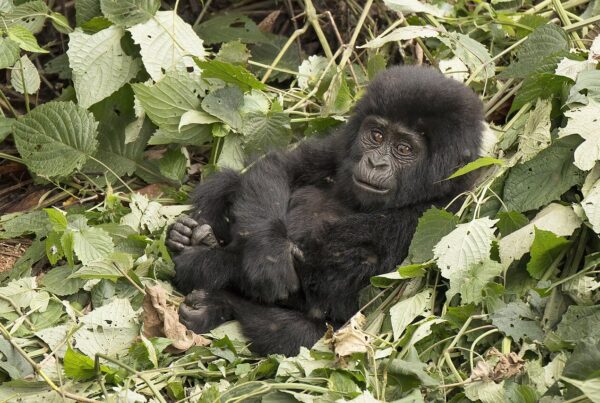
TikTok’s short-video format — optimised for content between 15 and 60 seconds — happens to align almost perfectly with the most shareable moments of a gorilla trekking encounter. An infant approaching a trekker: 30 seconds. A silverback chest beat: 20 seconds. The moment of first eye contact: 15 seconds. The emotional response of a visitor seeing gorillas for the first time: 45 seconds. These moments are self-contained, emotionally complete, and visually arresting — exactly the properties that drive engagement and sharing in the short-video format. No other wildlife encounter produces as many video-ready moments in such a short window of time as a gorilla trekking permit hour.
The emotional hook
TikTok’s algorithm rewards content that drives emotional response — comments, shares, and the specific “watch again” behaviour that the platform’s engagement metrics track. Gorilla trekking content produces these responses reliably because the encounter itself is emotionally powerful. Videos of people crying during gorilla encounters, laughing in disbelief when a gorilla approaches, or simply frozen in silence while a silverback meets their gaze — these videos trigger secondary emotional responses in viewers who have not had the experience themselves. The emotional contagion that drives the best gorilla trekking content on TikTok is a reflection of the emotional power of the original encounter.
Instagram and the visual quality of gorilla photography
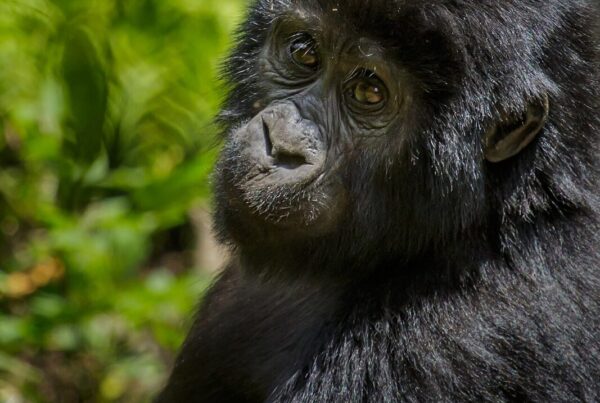
Instagram’s visual-first format rewards high-quality, distinctive photography — and gorilla photography in Bwindi, when conditions are good, produces images of exceptional quality that stand out even in a platform saturated with outstanding wildlife photography. The combination of the gorillas’ physical presence, the intimacy of the encounter, the quality of the forest light, and the emotional expressiveness of the animals creates a photographic subject that is unlike anything else available in wildlife photography. A gorilla portrait — a close-up of the silverback’s face in morning light, the eyes looking directly into the camera — stops the scroll in a way that is not dependent on extraordinary technical skill. The subject does the work.
The conservation narrative and platform values
Both TikTok and Instagram have developed platform features and algorithmic preferences that reward content with positive social value — environmental awareness, conservation, community benefit. Gorilla trekking content that includes the conservation context — the permit revenue, the ranger corps, the community programmes, the population recovery story — aligns with these platform values in a way that generates additional algorithmic support. Posts that combine a compelling gorilla encounter video with a caption explaining the conservation significance of the experience — and a call to action to book a permit — are performing particularly well in the current algorithmic environment.
What the trend means for permit availability
The practical consequence of the gorilla trekking social media trend is increased permit demand — and increased demand in a constrained-supply system means reduced availability for popular dates and sectors. The spike in enquiries following each major viral gorilla video is measurable and significant. Visitors who plan their gorilla trek based on the assumption that permits will be available on relatively short notice are increasingly finding that the most desirable dates and sectors are sold out weeks or months in advance. The trend, in other words, is creating urgency for prospective visitors to book earlier than they might otherwise have planned.
Whether you discovered gorilla trekking through TikTok, Instagram, YouTube, or more traditional travel research, the experience waiting for you in Bwindi is better than any screen can suggest. Contact our team to arrange your permit and safari before the trend’s next viral moment fills the remaining availability for your preferred dates.
Frequently Asked Questions
Uganda is home to the mountain gorilla (Gorilla beringei beringei), one of two subspecies of eastern gorilla. They live exclusively in the Virunga volcanic highlands (Uganda/Rwanda/DRC) and Bwindi Impenetrable Forest (Uganda only). Mountain gorillas are the only gorilla subspecies that cannot survive in captivity — every individual you can trek is a wild animal.
The standard gorilla trekking permit gives you exactly 1 hour with the gorilla family. This time begins when you make first contact with the family — the ranger signals the start. The Gorilla Habituation Experience gives 4 hours with a semi-wild family. The walk to find the gorillas can take 30 minutes to 5 hours depending on where the family has moved.
Stay calm, crouch down slowly, avoid direct eye contact, and remain quiet. Do not run — running triggers a chase response. Rangers accompanying your group manage close approaches. Habituated gorillas are accustomed to humans and almost never make contact, but a charging silverback is managed by staying still and following ranger instructions immediately.
A maximum of 8 visitors per habituated gorilla family per day for standard trekking. The Gorilla Habituation Experience has a maximum of 4 visitors per family per day. These limits are set by UWA to minimise stress on the gorilla families and maintain the quality of the experience.
Uganda is home to the mountain gorilla (Gorilla beringei beringei), one of two subspecies of eastern gorilla. They live exclusively in the Virunga volcanic highlands (Uganda/Rwanda/DRC) and Bwindi Impenetrable Forest (Uganda only). Mountain gorillas are the only gorilla subspecies that cannot survive in captivity — every individual you can trek is a wild animal.