What Should I Not Do When Gorilla Trekking? 15 Critical Rules for a Safe and Responsible Encounter
Gorilla trekking is one of the most regulated and carefully managed wildlife experiences in the world, and for excellent reasons that go far beyond visitor convenience. Mountain gorillas are critically endangered, share 98 percent of their DNA with humans, and are highly susceptible to diseases that humans carry without showing symptoms. The rules that govern gorilla trekking exist to protect both the gorillas and the visitors who come to see them, and they have been refined over four decades of conservation experience. Violating these rules can result in fines, immediate termination of your trek, permit cancellation without refund, or even suspension of trekking privileges for repeat offenders. More importantly, irresponsible behaviour can stress the gorillas, transmit potentially fatal diseases, or provoke defensive reactions that endanger both humans and the animals. This guide details the most critical things you should never do when gorilla trekking in Uganda, explaining why each rule matters and what the consequences of breaking them can be for everyone involved.
1. Do Not Get Closer Than 7 Metres to the Gorillas
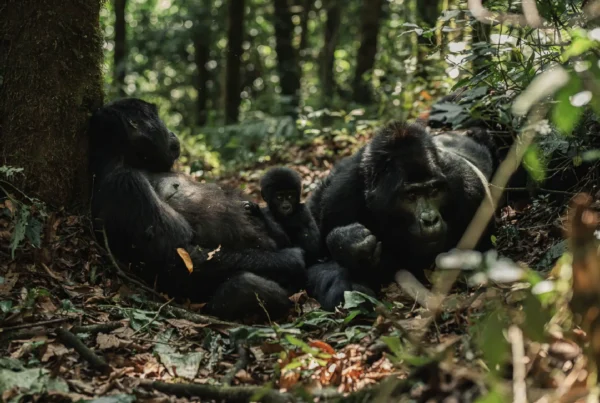
The seven-metre rule is the most fundamental and non-negotiable regulation of gorilla trekking. This distance minimises the risk of disease transmission from humans to gorillas, reduces stress on the animals, and prevents defensive reactions that could result from feeling cornered or threatened. If a gorilla approaches you, which happens frequently and is perfectly normal, remain still and allow it to pass without attempting to touch or interact with it. But never actively move closer than seven metres yourself, and never position yourself between a gorilla and the rest of its family. Guides enforce this rule strictly and will reposition visitors who stray too close.
2. Do Not Make Direct Eye Contact with the Silverback
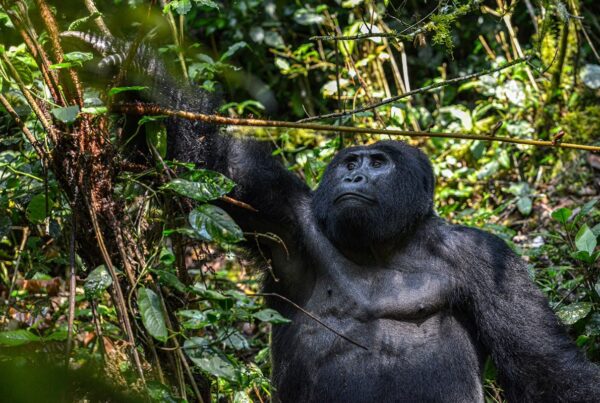
In gorilla society, direct and prolonged eye contact is interpreted as a challenge to the silverback’s authority and a threat to his dominance. If you find yourself accidentally locking eyes with a silverback, avert your gaze calmly and look down or to the side. This signals submission and non-threatening intent in a language that gorillas understand instinctively. Your guide will remind you of this critical rule both during the pre-trek briefing and throughout the encounter itself.
3. Do Not Use Flash Photography Under Any Circumstances
Flash photography is absolutely prohibited and for good reason. The sudden burst of intense light can startle gorillas, disrupt their natural behaviour, and provoke defensive reactions from protective adults. Modern cameras and smartphones perform exceptionally well in the low light conditions of the forest canopy without any need for artificial lighting. If your camera has an auto-flash setting, disable it completely before entering the forest and double-check that it remains off throughout the trek.
4. Do Not Eat or Drink in the Presence of Gorillas
Eating and drinking in the presence of gorillas is strictly forbidden. Food can attract intense gorilla interest, potentially leading to aggressive attempts to obtain it, particularly from curious juveniles who have not yet learned human rules. Additionally, consuming food near gorillas increases the risk of dropping items that could transmit bacteria or parasites to the animals. Eat your packed lunch only at the designated rest area after the gorilla encounter is complete and you have moved well away from the group.
5. Do Not Visit If You Have Any Contagious Illness
If you have a cold, flu, cough, sore throat, or any contagious illness, you must not go gorilla trekking under any circumstances. Gorillas share 98 percent of their DNA with humans and are highly susceptible to human respiratory diseases. A simple human cold virus can be fatal to a gorilla whose immune system has never encountered it. Uganda Wildlife Authority reserves the right to deny trekking to visibly ill visitors, and reputable tour operators will refund or reschedule your permit without penalty if you are unwell.
6. Do Not Make Sudden Movements or Loud Noises
Sudden movements, shouting, loud laughter, or unnecessary conversation can startle gorillas and disrupt their natural behaviour patterns. Speak in whispers if you must speak at all. Move slowly and deliberately. If you need to change position for a better view or photograph, do so gradually and calmly. The quieter and more still your group is, the more natural and relaxed the gorilla behaviour you will observe, and the more rewarding your encounter will be.
7. Do Not Touch the Gorillas for Any Reason
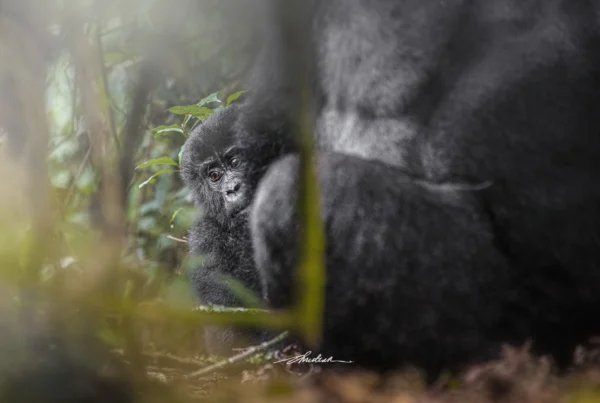
Physical contact with gorillas is never permitted, even if an adorable juvenile reaches out to touch you or brushes against your leg. If a gorilla makes contact with you, remain still and allow it to move away naturally without reacting. Touching gorillas risks disease transmission in both directions and can provoke defensive responses from protective adults who may perceive your touch as a threat to the young.
8. Do Not Litter or Leave Anything Behind in the Forest
Everything you carry into the forest must be carried out with you. Littering is not only environmentally irresponsible but can also endanger gorillas who might investigate, chew, or ingest foreign objects. Pack out all rubbish, including biodegradable items like fruit peels and nut shells, which do not belong in gorilla habitat and can take months to decompose in the forest environment.
9. Do Not Trek Without a Valid Permit
Gorilla trekking without a valid permit is illegal, subject to severe penalties including prosecution, and undermines conservation efforts. Uganda Wildlife Authority strictly controls the number of visitors per gorilla family per day to a maximum of eight tourists to minimise stress, disease risk, and behavioural disturbance.
10. Do Not Ignore Your Guide’s Instructions
Your Uganda Wildlife Authority guide is the ultimate authority during every moment of a gorilla trek. They understand the gorillas’ behaviour, personalities, family dynamics, and current mood in ways that visitors cannot. Follow their instructions immediately, calmly, and without question. They are extensively trained to keep both you and the gorillas safe.
Final Thoughts
These rules are not bureaucratic obstacles designed to diminish your enjoyment; they are the carefully developed foundation upon which four decades of safe, sustainable, and transformative gorilla tourism have been built. By following them meticulously, you protect the gorillas, ensure the long-term viability of trekking tourism, support local communities, and give yourself the best possible chance of a peaceful, intimate encounter with one of Earth’s most extraordinary animals. Respect the rules, trust your guides, and the forest will reward you with an experience that will remain among the most profound of your life.