Are There Other Animals on the Gorilla Trek in Bwindi? The Incredible Forest Wildlife Beyond the Mountain Gorillas
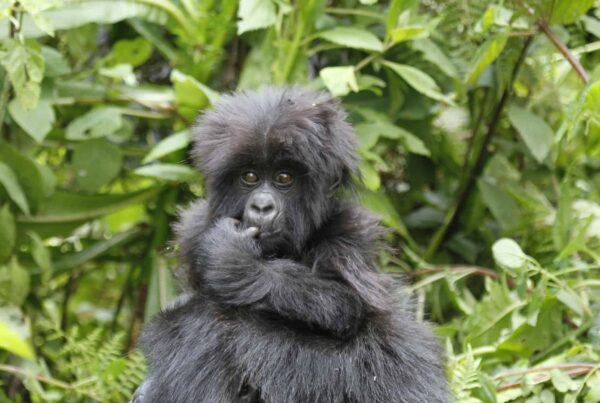
While mountain gorillas are unquestionably the stars of Bwindi Impenetrable National Park and the primary reason that visitors from around the world make the long journey to southwestern Uganda, they share their ancient forest home with an extraordinary diversity of other wildlife that most trekkers never expect to encounter. Bwindi is one of Africa’s most biodiverse protected areas, recognised by UNESCO as a World Heritage Site not only for its gorillas but for its exceptional biological richness. Trekkers who focus exclusively on the gorillas often miss the rich tapestry of life that surrounds them in this 25,000-year-old rainforest. The journey to find gorillas offers opportunities to encounter other primates, birds, mammals, reptiles, amphibians, and insects that together create one of the most complex and fascinating ecosystems on the African continent. Understanding what other animals inhabit Bwindi, where to look for them, and how they interact with the gorilla ecosystem adds extraordinary depth, richness, and educational value to the trekking experience.
Other Primate Species Sharing Bwindi’s Forest
Bwindi is home to at least nine other primate species in addition to its famous mountain gorillas. Chimpanzees inhabit the forest, though they are significantly shyer than gorillas and less frequently encountered on standard gorilla treks. The striking black-and-white colobus monkey, with its dramatic flowing white tail and elegant monochrome coat, is commonly seen moving through the forest canopy in groups of up to twenty individuals. L’Hoest’s monkeys, blue monkeys, red-tailed monkeys, and vervet monkeys are all regularly spotted along the trails and in the canopy. The nocturnal potto and the tiny dwarf galago complete Bwindi’s primate community, though these fascinating species are rarely seen during daylight hours.
Birds: Bwindi’s Hidden Avian Treasure
With over 350 recorded bird species, Bwindi is a paradise for both dedicated birdwatchers and casual observers who simply appreciate beautiful birds. The forest supports 23 Albertine Rift endemics found nowhere else in Uganda, including the striking Rwenzori turaco with its brilliant crimson wing feathers, the handsome African green broadbill, and the elusive Grauer’s rush warbler. Even trekkers who do not consider themselves birdwatchers will be captivated by the brilliant plumage of turacos moving through the canopy and the iridescent flash of sunbirds flitting through the understorey. Experienced bird guides can identify dozens of species by call alone, revealing a hidden world of sound that most visitors never notice.
Forest Elephants and Other Large Mammals
Bwindi’s forest elephants are smaller and hairier than their savannah cousins, adapted through evolution to life in dense vegetation where large size would be a disadvantage. They are shy, largely nocturnal, and rarely seen on gorilla treks, but their presence is revealed by large dung piles, footprints in soft mud, and the distinct trails they create through thick vegetation. Giant forest hogs, bushpigs, and several species of duiker, small forest antelopes, are also present but difficult to spot due to their secretive nature. Bushbucks are the most commonly encountered large mammals after gorillas and are often seen near forest edges and lodge grounds.
Reptiles, Amphibians, and the Smaller Creatures
The forest floor, leaf litter, and fallen logs teem with life for those who take time to look. Colourful forest frogs, chameleons that change colour before your eyes, and skinks are frequently spotted by observant trekkers. Giant earthworms emerge from the soil after rain. Butterflies in brilliant blues, oranges, and iridescent greens flutter along the trails and congregate at muddy patches. The forest’s insect diversity is staggering, with thousands of species playing essential roles in pollination, decomposition, and nutrient cycling that keep the entire ecosystem functioning.
Final Thoughts
While the mountain gorillas will always be the primary and most compelling reason for visiting Bwindi Impenetrable National Park, the forest offers far more than a single-species wildlife encounter. The extraordinary biodiversity of this ancient rainforest is a powerful reminder that healthy ecosystems are complex, interconnected webs of life in which every species plays a vital role. Take time during your trek to look up at the canopy, listen to the bird calls, watch for movement in the undergrowth, and appreciate the smaller creatures that make this forest one of the most extraordinary wild places on Earth. The gorillas are magnificent beyond words, but they are only one part of Bwindi’s incredible and irreplaceable natural story.