TALK TO AN EXPERT +256 716 068 279 WHATSAPP OPEN NOW.
Wildlife Beyond Gorillas

African Elephant Uganda: Family Structure, Migration and Conservation

Home / Travel News, Stories & Tips / Tales from the Mist / African Elephant Uganda: Family Structure, Migration and Conservation

The African elephant is the largest land animal on Earth, and Uganda holds populations of both African savanna elephants and African forest elephants — two genetically distinct species that were long considered subspecies of a single one. Uganda’s elephants are found in Murchison Falls, Queen Elizabeth, Kidepo Valley, and Mount Elgon national parks, with the Murchison Falls population being the largest and most studied. Here is a complete guide to Uganda’s elephants — their family structure, movement patterns, ecological role, and conservation challenges.

Two Species in One Country

Genetic research published in 2010 confirmed that African elephants comprise two distinct species: the African savanna elephant (Loxodonta africana) and the African forest elephant (Loxodonta cyclotis). Uganda’s western forests — particularly Bwindi, Kibale, and the Semliki area — contain forest elephants or hybrids where the two species’ ranges overlap. Savanna elephants dominate in the open parks: Murchison Falls, Queen Elizabeth, and Kidepo.

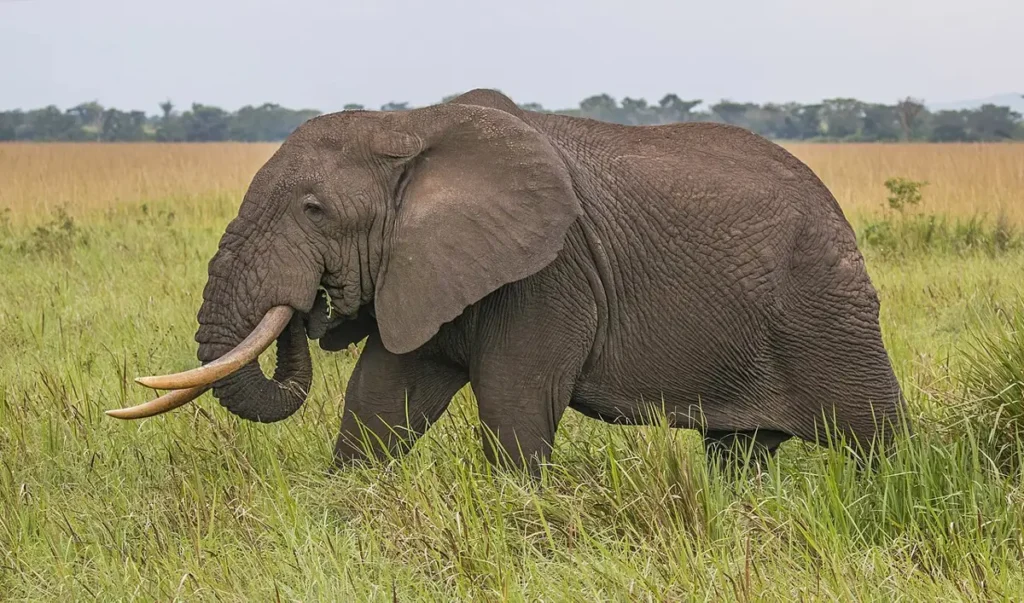
Forest elephants are smaller, with more rounded ears and straighter tusks. They are more difficult to study and less well understood than their savanna relatives. Their ecological role in the forest is profound — they are critical seed dispersers for many large-seeded tree species, and some trees are entirely dependent on elephant gut passage for germination.

Family Structure

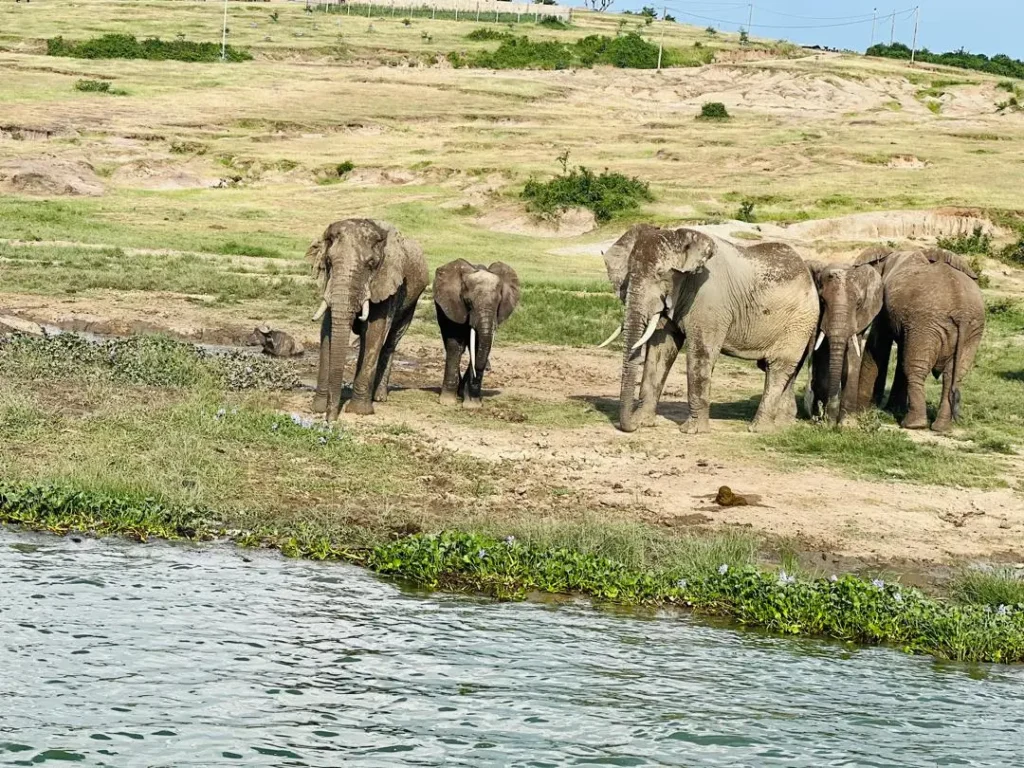
Elephant society is matriarchal. The core social unit is the family group — typically 6 to 12 related females and their offspring, led by the oldest female, the matriarch. The matriarch’s knowledge is the group’s most valuable asset: she remembers the locations of water sources, safe crossing points, and areas to avoid, accumulated over decades of experience. Studies have shown that groups led by older, more experienced matriarchs have better survival rates during droughts and other crises.

Adult males live largely independently, associating with family groups only during mating opportunities. Young males are gradually excluded from the family group as they approach adulthood, typically joining loose bachelor herds or living as nomadic individuals. Males enter musth — a periodic state of heightened testosterone and aggression associated with reproductive competition — which can last weeks to months and during which they become unpredictable and potentially dangerous.

Communication and Intelligence

Elephants communicate through a rich repertoire of vocalisations, tactile signals, and infrasound — low-frequency calls below the threshold of human hearing that can travel several kilometres through the ground and air. Infrasound allows elephant family groups to maintain contact over large distances and has been documented carrying information about predators, musth males, and the location of food and water. Seismic communication — vibrations transmitted through the ground and detected through the feet and trunk — extends the communication range further still.

Movement and Migration in Uganda

Uganda’s elephant populations make seasonal movements in response to rainfall and vegetation availability. The Murchison Falls population ranges across the park’s north bank in the dry season, concentrating around permanent water sources, and disperses into the south bank and surrounding areas during the rains. Queen Elizabeth’s elephants move between the Ishasha sector in the south and the northern Kasenyi area, and some individuals make seasonal movements across the border into DRC.

Human settlement around national park boundaries increasingly constrains these movements. Elephants crossing park boundaries to raid crops create serious conflict — a single night’s raid can destroy a smallholder farmer’s entire season. Uganda Wildlife Authority and various NGOs work on mitigation measures including beehive fences (elephants strongly dislike bees), chilli barriers, and early warning systems using community scouts.

Conservation Status and History

Uganda’s elephant population was devastated during the 1970s and 1980s by both poaching and the civil conflict of the Idi Amin era, when law enforcement in national parks effectively collapsed. Murchison Falls, which once held thousands of elephants, was reduced to a few hundred. The recovery since the 1990s has been substantial — the Murchison population now numbers over 1,500 individuals — but the process has been slow and the threat from poaching and habitat loss remains real.

African savanna elephants are listed as Endangered on the IUCN Red List. The ivory trade, though significantly reduced by international bans, has not been eliminated, and poaching pressure persists. Uganda has strengthened its anti-poaching capacity significantly, and Murchison Falls in particular now represents a genuine conservation success story — a population recovering in a managed landscape, coexisting imperfectly but sustainably with the communities that surround it.

Seeing a family group of African elephants moving through the Murchison Falls landscape — the matriarch leading, the youngest calves tucked between adult legs, the whole group coordinated by signals you cannot hear — is one of the most affecting wildlife encounters Uganda offers. It is a reminder of what Africa’s savannas are supposed to look like, and of how much work it has taken to get here.

Ready to experience Uganda’s mountain gorillas in 2026? Secure your gorilla permits early and let us craft a seamless safari tailored to your travel style, preferred trekking sector, and accommodation level. From luxury lodges to well-designed midrange journeys, every detail is handled for you. Every itinerary is carefully planned to maximize your time in the forest while ensuring comfort, safety, and unforgettable encounters.

Have questions about gorilla permits, travel dates, or the best itinerary for you? Speak with a safari expert and get clear, honest guidance to plan your trip with confidence.

When is the last time you had an adventure? African Gorillas!!! Up Close With Uganda’s Wild Gorillas Touched by a Wild Gorilla: An Unforgettable Encounter Inside Gorilla Families: Bonds, Hierarchies & Jungle Life Face to Face With a Silverback: The Wild Encounter You’ll Never Forget