Updated
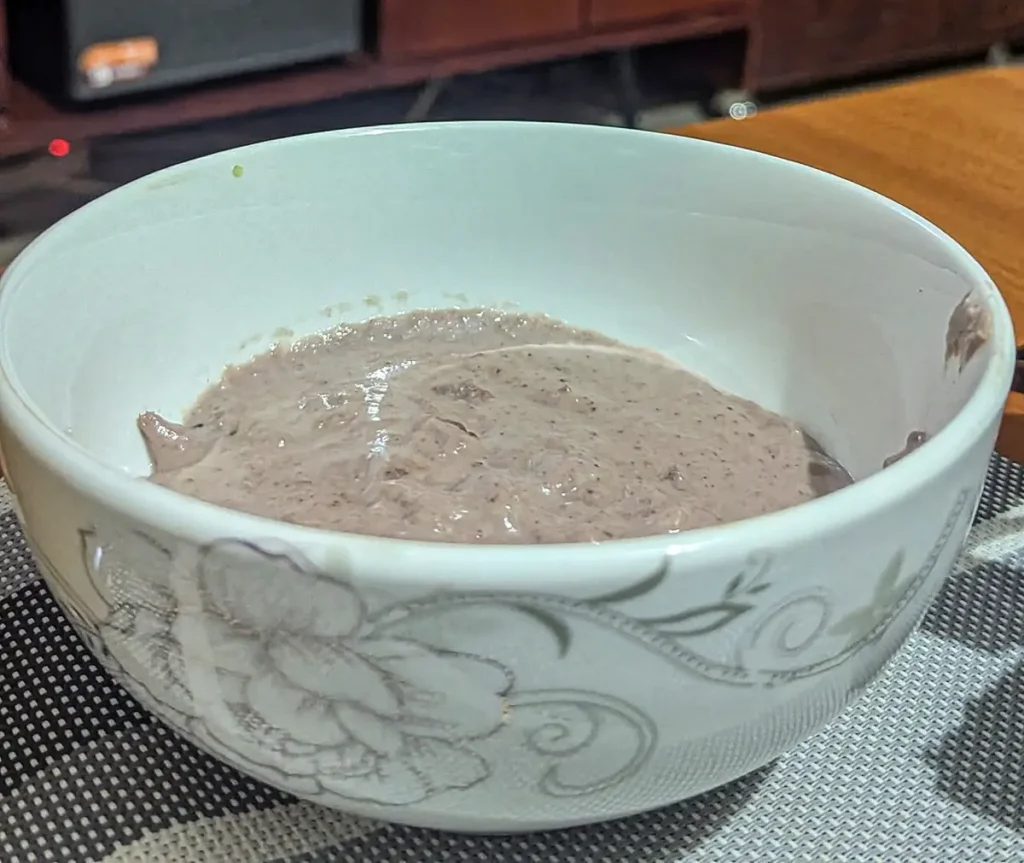
Groundnut stew, usually called groundnut sauce or binyebwa in Luganda, is a thick, creamy peanut sauce that Ugandans pour over matoke, sweet potatoes, rice or posho. It is made from freshly ground groundnuts cooked slowly with water, onions and tomatoes, and often enriched with smoked fish, mushrooms, greens or meat. It is a staple of home cooking and Ugandan buffets, and one of the easiest local dishes for visitors to love.
How it is made
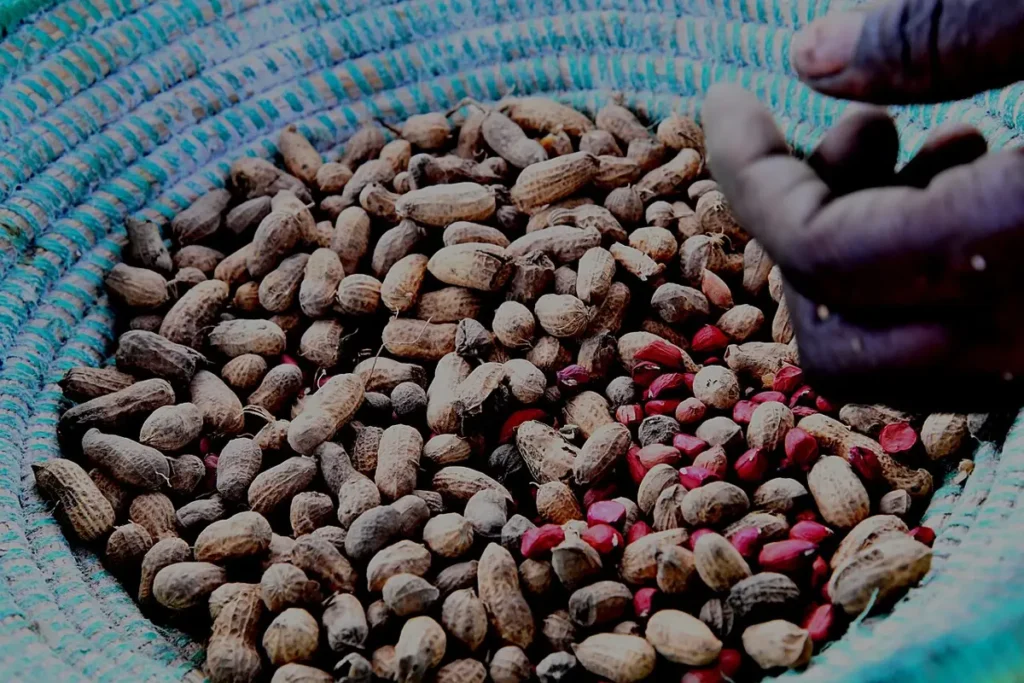
Raw or lightly roasted groundnuts are ground into a coarse paste, often at a market mill. The paste is stirred into water until smooth, then cooked gently, with frequent stirring so it does not stick, for 20–40 minutes until it thickens and a little oil rises to the top. Onions and tomatoes are usually fried first or added during cooking, and salt is added at the end. Variations include smoked fish (a favourite in central Uganda), dried mushrooms, eggplant, dodo greens, chicken or beef. See our guide to Ugandan food markets, which includes a simple recipe.
How it is eaten
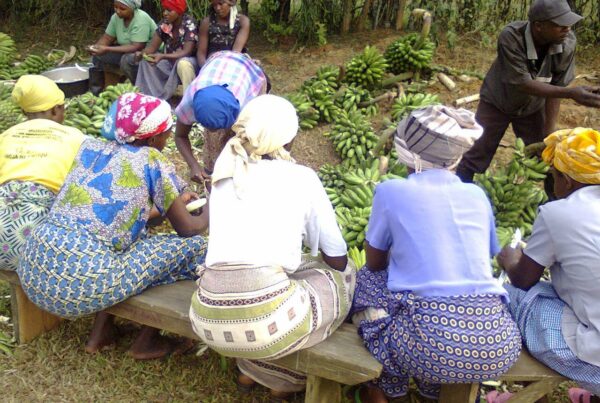
The classic pairing is with steamed matoke, mashed in its banana-leaf parcel, but groundnut sauce also goes with sweet potatoes, cassava, rice and posho. In the north and east, simsim (sesame) paste is used in similar sauces. On special occasions, groundnut sauce may be steamed in banana leaves as luwombo with chicken or fish. See our guides to matoke and posho.
Nutrition and allergies
Groundnuts are an important source of protein and fat in a diet based on starchy staples, which is why groundnut sauce is so common in homes and schools. Visitors with a peanut allergy should be very careful: groundnut paste is used widely, sometimes in sauces that do not look nutty, and cross-contamination in kitchens is likely. Tell your operator and lodges well in advance and carry your medication.
Where to try it
Local restaurants serve groundnut sauce at lunch across Uganda, and lodges near Bwindi often include it in Ugandan dinners. A cooking class is the best way to learn the technique. See our guide to the Uganda cooking class. The gorilla permit costs US$800, or US$600 in April, May and November.
Frequently asked questions
A thick sauce of ground peanuts cooked with water, onions and tomatoes.
Matoke, sweet potatoes, rice, cassava or posho.
Binyebwa.
Take great care; groundnuts are widely used. Warn your operator and lodges in advance.