Updated
delay gorilla trekking Uganda harder each year is one of Africa’s most extraordinary wildlife experiences, connecting travellers with mountain gorillas in their natural forest habitat. The logic of deferral assumes that the trip will be equally available and equally accessible next year as it is this year. For most travel destinations, this assumption is broadly correct. For gorilla trekking in Uganda, the assumption is more complicated — and in several specific ways, the trip gets harder to take, not easier, the longer it is deferred.
Why Every Year You Delay Gorilla Trekking Makes It Harder to Go
The Permit Price Trend
The Uganda gorilla permit price has increased over time. From the lower prices of a decade ago to the current $800, the trajectory has been upward. The reasons are straightforward: conservation costs grow as the gorilla population grows and requires more rangers and more monitoring; demand for permits increases as Uganda’s international reputation grows; and regional benchmarking against Rwanda’s $1,500 permit provides pricing room that the Uganda Wildlife Authority has room to use.
There is no announced price increase for 2027. The $800 is the current price. But the pattern of the past decade suggests that waiting another two or three years will mean paying more than $800. The person who books in 2027 locks in the current permit price. The person who waits until 2030 will pay whatever price applies then.
The Availability Trend
As Uganda’s gorilla trekking programme grows in international reputation — through tourism awards, conservation recognition, and the organic word of mouth of returning visitors — demand for permits increases. Permits for popular dates in peak season already require booking months in advance. As demand grows, the booking horizon will lengthen further, and the flexibility to decide in March to trek in July will erode.
Booking in 2027 for 2027 dates is already requiring advance planning for the best sectors and dates. Booking in 2030 for 2030 dates will require more advance planning still. The freedom to be relatively spontaneous about date selection — to decide in the spring what to do in the summer — will diminish over time.
The Physical Reality
Gorilla trekking involves physical effort. The trek to the gorilla family can take anywhere from one to six hours depending on the family’s location that morning. The terrain in Bwindi is steep, wet, and genuinely demanding. Most people in reasonable health manage it successfully, and porter hire provides support for those who need it. But the version of you that treks in 2027 is, in most cases, more physically capable than the version that treks in 2032.
This is not an argument for urgency based on age — gorilla trekking is successfully completed by people in their seventies with proper support. It is an observation that physical capacity for the kind of exercise the trek requires tends to decrease, not increase, over time. The easier physical experience is available now.
The Psychological Accumulation of Deferral
The longer a trip is deferred, the more psychological weight it accumulates. What begins as a simple desire to see mountain gorillas gradually becomes a complex object — freighted with the guilt of not having gone, the anxiety of whether it will still be possible, the embarrassment of recommending a trip to others that you yourself have not taken. This accumulated weight can eventually make the decision to book feel more rather than less difficult, even as the practical barriers remain constant.
Booking in 2027 — while the trip is still a clear desire rather than a complicated emotional object — is simpler than booking in 2030 or 2032. The decision is cleaner. The anticipation is uncomplicated. The permit is $800 and available. Contact us today before any of these factors has the opportunity to compound further.
Frequently Asked Questions
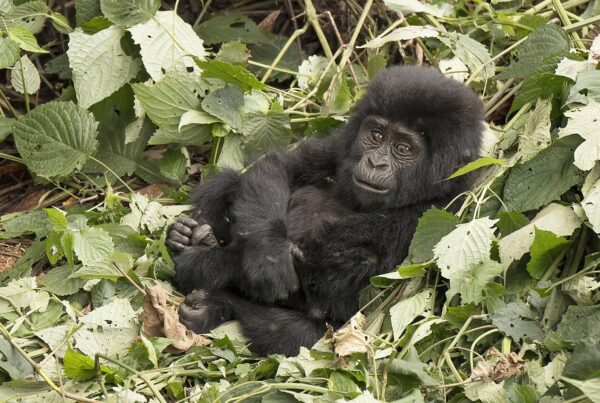
Uganda is home to the mountain gorilla (Gorilla beringei beringei), one of two subspecies of eastern gorilla. They live exclusively in the Virunga volcanic highlands (Uganda/Rwanda/DRC) and Bwindi Impenetrable Forest (Uganda only). Mountain gorillas are the only gorilla subspecies that cannot survive in captivity — every individual you can trek is a wild animal.
The standard gorilla trekking permit gives you exactly 1 hour with the gorilla family. This time begins when you make first contact with the family — the ranger signals the start. The Gorilla Habituation Experience gives 4 hours with a semi-wild family. The walk to find the gorillas can take 30 minutes to 5 hours depending on where the family has moved.
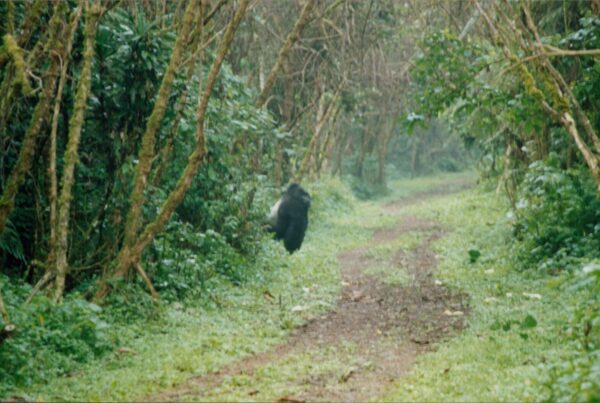
Stay calm, crouch down slowly, avoid direct eye contact, and remain quiet. Do not run — running triggers a chase response. Rangers accompanying your group manage close approaches. Habituated gorillas are accustomed to humans and almost never make contact, but a charging silverback is managed by staying still and following ranger instructions immediately.
A maximum of 8 visitors per habituated gorilla family per day for standard trekking. The Gorilla Habituation Experience has a maximum of 4 visitors per family per day. These limits are set by UWA to minimise stress on the gorilla families and maintain the quality of the experience.
Uganda is home to the mountain gorilla (Gorilla beringei beringei), one of two subspecies of eastern gorilla. They live exclusively in the Virunga volcanic highlands (Uganda/Rwanda/DRC) and Bwindi Impenetrable Forest (Uganda only). Mountain gorillas are the only gorilla subspecies that cannot survive in captivity — every individual you can trek is a wild animal.