Updated
Let us do the value accounting properly. A complete Uganda gorilla trekking trip from Europe costs approximately $2,500-$3,500 per person at the mid-range level. That is a significant sum. What exactly do you receive in return, dollar by dollar? Working through the value delivered at each cost level reveals whether the expenditure is justified — and helps identify which elements of the cost are contributing most to the experience.
The $800 Permit: What Each Dollar Buys
The $800 gorilla permit breaks down approximately as follows in terms of where the money goes:
- ~$160 (20%): Community revenue sharing — funds schools, health facilities, and infrastructure in communities adjacent to Bwindi
- ~$280 (35%): Ranger salaries, training, and equipment — the human infrastructure of gorilla protection
- ~$160 (20%): Anti-poaching operations and park security
- ~$120 (15%): Gorilla monitoring, research, and veterinary care
- ~$80 (10%): Park infrastructure, trails, and visitor facilities
Each dollar of your permit is therefore contributing to the operational ecosystem that keeps mountain gorillas alive and accessible. You are not paying for a service; you are funding a conservation system and getting access to its output as a benefit.
The $700-$900 in Flights: What Each Dollar Buys
Flights to Entebbe buy access — they are the necessary logistics of reaching the experience. Each dollar spent on a flight is approximately one additional kilometre of international access. This framing makes flights seem like pure cost with no experience value, which undersells what the journey itself provides: the first view of the African continent from the air, the arrival in a different world, the physical commitment of travel that gives the experience its weight. Travel that is too easy is often less memorable than travel that requires effort.
The $400-$700 in Accommodation: What Each Dollar Buys
Mid-range lodge accommodation near Bwindi at $200-$350 per person per night provides: a comfortable private room, hot water, good food, guided forest walks, staff attention, and the psychological benefit of rest and comfort before and after a physically demanding activity. Each dollar of accommodation is approximately one-twentieth of a night’s quality rest in proximity to the experience you have come for. The value is real but less essential than the permit — the gorilla encounter is unaffected by whether you slept well; how much you enjoy the surrounding experience is not.
The $300-$450 in Transport: What Each Dollar Buys
Ground transport from Entebbe to Bwindi covers approximately 500 kilometres each way in Uganda’s varied landscape. Each dollar of ground transport buys approximately one kilometre of safe, comfortable travel in a reliable vehicle with a knowledgeable driver, through scenery that is part of the experience. A bad driver or unreliable vehicle on this journey can ruin the trip; a good one adds to it. This cost delivers real value when invested wisely.
The Aggregate Value
A $3,000 gorilla trekking trip from Europe therefore delivers:
- Direct contribution to the conservation system protecting approximately half the world’s mountain gorilla population
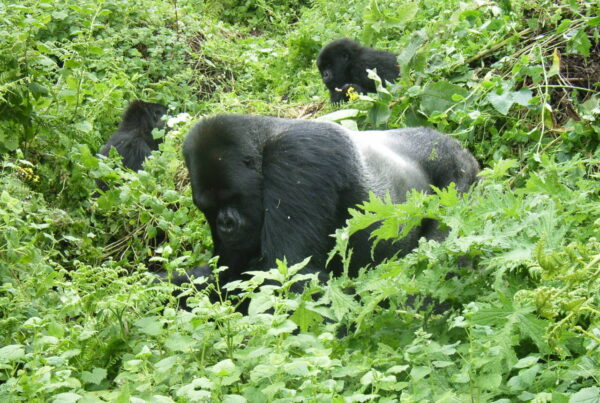
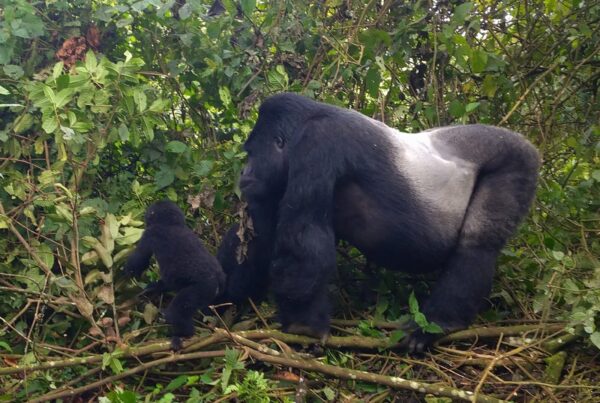
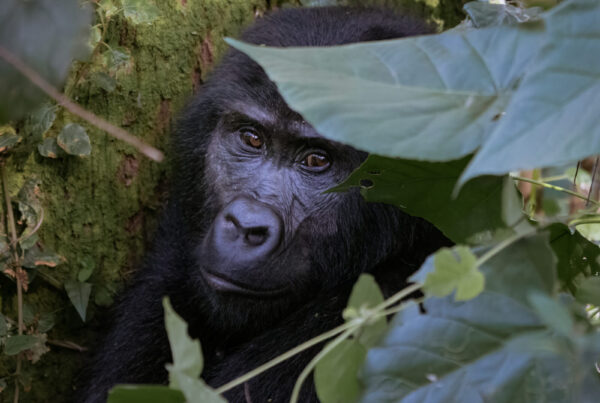
- Access to one of the world’s rarest and most sought-after wildlife encounters, with a 98%+ success rate
- Eight to ten days in Uganda’s varied landscapes and communities
- An experience that the vast majority of participants describe as among the most memorable of their lives
- A memory that research suggests will remain vivid and emotionally significant for decades
The question is not whether $3,000 is a lot of money — it is. The question is what $3,000 buys in this specific allocation versus other uses. By the measure of experience quality and durability, the value proposition of gorilla trekking is strong. By the measure of conservation impact, it is outstanding. Contact us to plan how to allocate your budget for maximum return.
The breakdown of how the $800 gorilla trekking permit fee is allocated across Uganda’s conservation system explains why the price represents substantial value beyond the experience itself. Approximately 20% of permit revenue is directed to communities surrounding Bwindi and Mgahinga through the UWA revenue sharing programme — funding schools, health facilities, and infrastructure projects in areas where proximity to the park historically meant costs (crop raiding, land limitation) rather than benefits. The remaining funds support ranger salaries, veterinary care for habituated gorilla families, research programmes, and park infrastructure. The visitor who pays $800 for a permit is simultaneously funding the anti-poaching operation that will protect the gorilla family they visit for the next twelve months.
The clearest way to evaluate the dollar’s work in a gorilla trekking permit is to calculate how many hours of anti-poaching patrol it funds per year, or how many community school places it supports — both calculations produce figures that reframe the single payment as a sustained operational contribution rather than a tourist fee.