Updated
gorilla trek failure refund policy Uganda is one of Africa’s most extraordinary wildlife experiences, connecting travellers with mountain gorillas in their natural forest habitat. The fear that you will pay 800 USD for a gorilla permit, spend a day trekking in Bwindi, and come home without seeing any gorillas is one of the most common anxieties in gorilla trekking Uganda. This post explains exactly what the Uganda Wildlife Authority policy is, what the actual failure rate is, and what happens if it does occur.
What If the Gorillas Are Not Found on My Trek? Refund or Retry Explained
How Gorilla Tracking Actually Works
The gorilla tracking process begins before dawn each morning, before tourists even leave the lodge. UWA trackers head into the forest at first light to locate each habituated gorilla family, noting their position from where the family nested the previous night. By the time the trekking groups assemble at the park briefing point at 8:00 AM, the trackers already know approximately where each gorilla family is. The rangers leading the trekking groups are in radio contact with trackers and receive location updates throughout the morning. The trek is a guided navigation to a known location, not a search through unknown forest.
What Is the Actual Success Rate?
The success rate for gorilla trekking in Uganda — meaning the percentage of treks where the trekking group finds and spends time with the assigned gorilla family — is above 95% and in good years exceeds 98%. Habituated gorilla families are found on virtually every trek. The gorillas do not hide from humans — they are comfortable with the presence of observers and do not flee when approached by the ranger-led group. The tracking system has been refined over 30+ years of operation. Failure to find the gorillas is genuinely rare.
When Does a Trek Fail?
Gorilla families occasionally move to unusually deep or difficult terrain during the night — areas that are inaccessible to humans due to cliffs, swamps, or extremely dense vegetation. In these rare cases, the tracking team may identify the family’s location but be unable to safely guide tourists to it. This is the primary failure scenario. Secondary scenarios include family group splits — when a large family temporarily divides and one sub-group proves harder to find — and very unusual weather events that move families outside their typical range. These events are rare and not predictable in advance.
The UWA Policy on Failed Treks
Uganda Wildlife Authority has a formal policy for failed treks. If the gorilla family is not found, trekkers are offered: (1) a full refund of the permit fee; or (2) a replacement permit for a trek on another day at no additional cost, subject to permit availability. In practice, replacement permits are usually available the following day or within a few days. Most travellers whose trek fails choose the replacement permit rather than the refund, because they are already in Bwindi, already have accommodation, and are determined to make the experience happen. The UWA’s response to failed treks is generous and fair — no operator or visitor leaves Bwindi empty-handed without a remedy.
How Our Itineraries Handle This Risk
For clients with tight travel schedules, we build a buffer day into the Bwindi portion of the itinerary where possible. This means that if the first trek day yields no sighting, the replacement permit can be used the next day without disrupting the broader journey. For clients whose schedules cannot accommodate a buffer, we discuss the risk openly before booking and note that the 95%+ success rate means the risk is small. We have never had a client leave Bwindi without seeing gorillas across more than a decade of operation — but we cannot guarantee nature, and we are transparent about that.
What to Do if Your Trek Fails
Remain calm and trust the ranger’s guidance. When a trek fails, the ranger will inform the group at the point where it becomes clear that continuing is not possible. They will explain the UWA policy and the remedy options. Do not be angry with the ranger — they want the trek to succeed as much as you do. Take the replacement permit if your schedule allows it. If it does not, take the refund and contact us to discuss alternative options including whether another trek day can be added to the trip at reasonable cost.
The Honest Bottom Line
Failed gorilla treks happen, but rarely — less than 5% of treks in a typical year, and often less than 2%. The UWA policy ensures you are not left without a remedy if it happens to you. The tracking system is as reliable as any wildlife encounter on earth can be. Gorilla trekking Uganda has a stronger success-rate guarantee than any African game drive, any whale watching tour, or any other wildlife encounter on the continent. Book with confidence and know that the safety net exists if the unusual happens.
Frequently Asked Questions
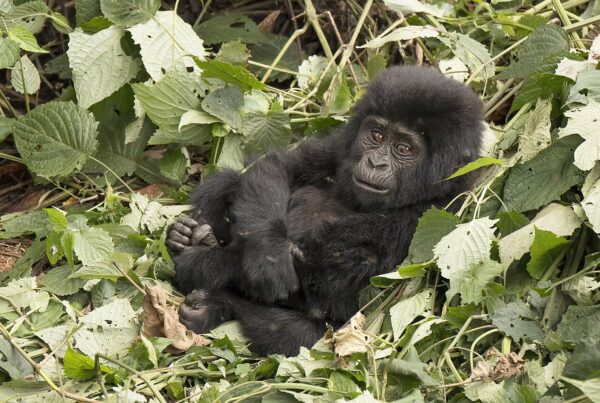
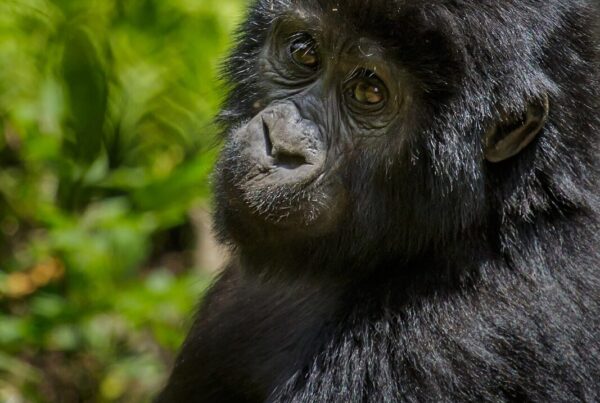
Uganda is home to the mountain gorilla (Gorilla beringei beringei), one of two subspecies of eastern gorilla. They live exclusively in the Virunga volcanic highlands (Uganda/Rwanda/DRC) and Bwindi Impenetrable Forest (Uganda only). Mountain gorillas are the only gorilla subspecies that cannot survive in captivity — every individual you can trek is a wild animal.
The standard gorilla trekking permit gives you exactly 1 hour with the gorilla family. This time begins when you make first contact with the family — the ranger signals the start. The Gorilla Habituation Experience gives 4 hours with a semi-wild family. The walk to find the gorillas can take 30 minutes to 5 hours depending on where the family has moved.
Stay calm, crouch down slowly, avoid direct eye contact, and remain quiet. Do not run — running triggers a chase response. Rangers accompanying your group manage close approaches. Habituated gorillas are accustomed to humans and almost never make contact, but a charging silverback is managed by staying still and following ranger instructions immediately.
A maximum of 8 visitors per habituated gorilla family per day for standard trekking. The Gorilla Habituation Experience has a maximum of 4 visitors per family per day. These limits are set by UWA to minimise stress on the gorilla families and maintain the quality of the experience.
Uganda is home to the mountain gorilla (Gorilla beringei beringei), one of two subspecies of eastern gorilla. They live exclusively in the Virunga volcanic highlands (Uganda/Rwanda/DRC) and Bwindi Impenetrable Forest (Uganda only). Mountain gorillas are the only gorilla subspecies that cannot survive in captivity — every individual you can trek is a wild animal.