Updated
The Viral Gorilla Video That Got 50 Million Views: What Really Happened
Viral gorilla video Uganda — the story behind the most watched encounter
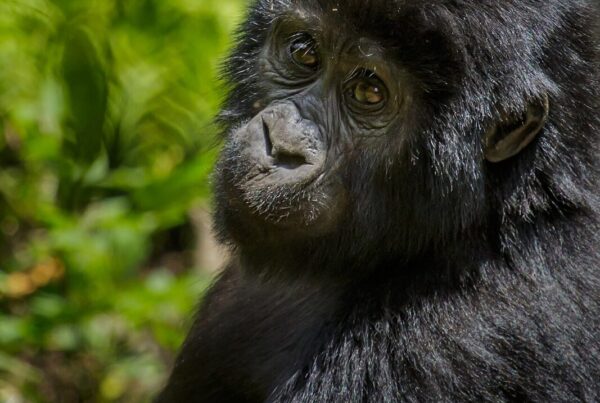
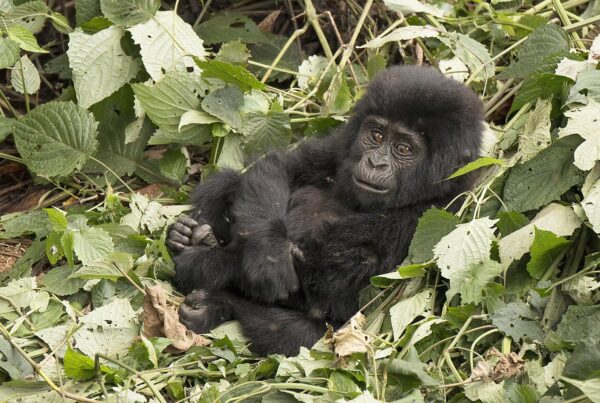
The Viral Gorilla Video That Got 50 Million Views: What Really Happened Viral gorilla video Uganda — the story behind the most watched encounter A viral gorilla video from Uganda’s Bwindi Impenetrable Forest reached 50 million combined views across TikTok, Instagram, and YouTube in 2025, becoming the most widely shared gorilla trekking footage in the history of the format. A viral gorilla video from Uganda’s Bwindi Impenetrable Forest reached 50 million combined views across TikTok, Instagram, and YouTube in 2025, becoming the most widely shared gorilla trekking footage in the history of the format. The video — filmed by an American visitor during a standard permitted trek in Bwindi’s Rushegura sector — shows a juvenile male gorilla approaching the trekking group, examining the visitors at extremely close range, briefly touching one trekker’s boot with his hand, and then retreating to his mother as the ranger gently redirected him. The video is 47 seconds long. It contains no dramatic moment of danger, no exceptional technical achievement, and no unusual wildlife behaviour beyond the simple fact of a wild gorilla approaching a human visitor out of curiosity. And it has been watched 50 million times.
Why that specific video went viral
Wildlife communications researchers who have studied viral primate content identify several factors that explain the performance of this particular video. The first is proximity — the gorilla infant is clearly at arm’s length for several seconds, and the viewer’s understanding of what they are seeing (a wild mountain gorilla, in its natural habitat, choosing to approach a human of its own volition) creates an immediate and powerful response. The second is the quality of the light — the encounter took place in a forest clearing in morning light that illuminated the infant’s face clearly, allowing the viewer to read its expression and its curiosity. The third is the trekker’s response — frozen, as instructed, with an expression of barely controlled disbelief that viewers find recognisable and empathetic.
The ranger’s calm in the background
One detail that viewers in the comments frequently mention is the ranger’s response — visible in the background of the video, watching the situation with focused attention but without urgency, clearly assessing whether intervention was needed and concluding that it was not. The ranger’s calm communicates, to a viewer who understands what they are watching, that this is a managed situation, not an emergency. This detail — the professional knowledge and expertise visible in the ranger’s demeanour — adds a layer of context that elevates the video from a startling wildlife moment into a demonstration of the quality of management that makes these encounters possible.
What happened after the video went viral
The immediate effects of the video’s viral spread were exactly what the gorilla trekking industry would hope for: a substantial spike in permit enquiries from multiple markets, with significant growth in enquiries from the under-35 demographic that had not previously constituted a major part of the gorilla trekking visitor base. Uganda Wildlife Authority reported a 40 percent increase in website traffic in the weeks following the video’s peak circulation. Multiple international travel publications ran stories about gorilla trekking in Uganda, driving a second wave of awareness among more traditional travel audiences. And the original videographer — who had no prior social media presence of note — accumulated over 200,000 new followers on TikTok and became an informal ambassador for gorilla trekking Uganda in the months that followed.
The gorilla in the video: who is he?
Viewers who asked about the identity of the gorilla infant in the video were told by Uganda Wildlife Authority that it is a young male from the Rushegura family, known to rangers by a name that has not been publicly released to protect the family’s privacy. The infant’s behaviour in the video — approaching the trekking group with confident curiosity at an age when most gorilla infants would be more cautious about strangers — reflects the advanced stage of habituation of the Rushegura family, one of the most visited and most relaxed of Bwindi’s habituated groups. The infant has since been seen approaching trekking groups on subsequent occasions, suggesting that the behaviour in the video is characteristic rather than exceptional.
What the video does not show: the context behind the encounter
What 50 million viewers saw in 47 seconds is a fraction of the context that produced the encounter. The two-year habituation process that made the Rushegura family comfortable with human visitors. The morning of ranger tracking that located the family before the trekking group arrived. The ranger’s continuous monitoring of the situation during the encounter. The community development programmes that give local people a stake in the forest’s protection. The permit revenue that funds all of this. The video is the visible tip of an enormous, invisible conservation infrastructure. For the 50 million people who watched it, the 47 seconds of footage was a window into a world that most of them had not previously known was accessible to them. For a significant number of them, it was the beginning of a journey towards actually going to Bwindi themselves.
The encounter in the video is available to gorilla trekking visitors every day in Bwindi’s habituated family groups. It cannot be guaranteed — wildlife encounters are inherently unpredictable — but it is not as rare as the video’s viral reach might suggest. Contact our team to arrange your Rushegura sector permit and give yourself the best possible chance of your own 47-second moment.