Updated
Uganda Gorilla Trekking Permits: Complete Booking Guide
Everything You Need to Know About Gorilla Permits
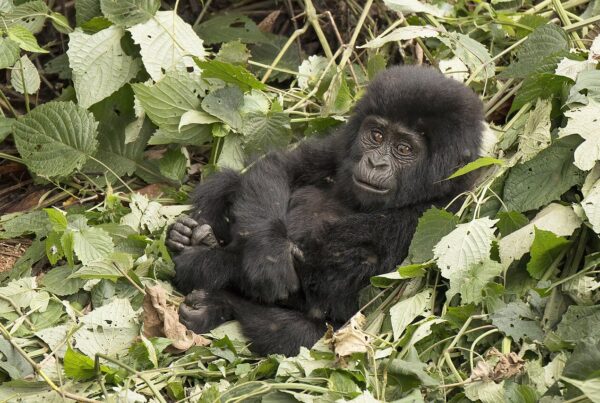
Uganda Gorilla Trekking Permits: Complete Booking Guide Everything You Need to Know About Gorilla Permits A Uganda gorilla trekking permit is the most important booking in any gorilla trekking itinerary — without one, you cannot trek. A Uganda gorilla trekking permit is the most important booking in any gorilla trekking itinerary — without one, you cannot trek. Understanding the permit system, the costs, the booking process, the rules, and the strategies for securing permits on your preferred dates is the foundation of successful gorilla trekking trip planning. This guide covers everything from permit pricing to cancellation policies to the practical realities of the booking process that determine whether your gorilla trekking experience goes smoothly.
Permit Costs
Uganda Wildlife Authority (UWA) issues gorilla trekking permits at the following current prices: $800 USD per person for foreign non-residents (the category that applies to most international tourists), $700 USD per person for foreign residents and East African Community citizens (citizens of Uganda, Kenya, Tanzania, Rwanda, Burundi, South Sudan, DRC), and 300,000 UGX per person for Ugandan nationals.
Planning your trip? Our complete Uganda gorilla trekking guide covers permits, sectors, costs, and everything you need before you go.
These prices are reviewed periodically by UWA and have increased over the years as gorilla tourism has grown. The current $800 price for foreign non-residents is significantly higher than the $500 price that applied before a 2017 increase, reflecting UWA’s strategy of using permit pricing to manage visitor numbers while generating maximum conservation revenue per visitor. Some operators anticipate further increases in the future as gorilla conservation costs rise and demand for permits continues to exceed supply in peak season.
In addition to the basic gorilla permit, a Gorilla Habituation Experience (GHE) permit costs $1,800 per person and is available at Buhoma and Rushaga sectors only. The GHE provides a 4-hour encounter (vs the standard 1-hour) with a gorilla family that is still in the process of habituation. Group size for the GHE is limited to 4 visitors per day.
Where to Buy Permits
Uganda gorilla trekking permits can be purchased directly from Uganda Wildlife Authority through the UWA online booking portal or at UWA headquarters in Kampala. They can also be purchased through UWA-accredited tour operators and agents, which is the route most international visitors use. Purchasing through an accredited operator typically involves the permit cost being included in the broader tour package cost, with the operator handling all UWA booking logistics on the client’s behalf.
The advantage of booking through an operator rather than directly through UWA is the operator’s ability to manage permit availability across multiple date options, handle payment in a currency convenient to the client, and absorb any logistical complications in the booking process. Direct UWA booking is straightforward for visitors with confirmed single dates, USD payment capacity, and comfort with online booking systems.
When to Book
The most important rule of gorilla permit booking is: book early. Peak season permits — June, July, August, and December — sell out months in advance, sometimes 6 to 12 months before the trek date. Visitors who plan to trek during these months and don’t begin the permit booking process at least 6 months before their travel dates risk losing their preferred dates and sometimes their preferred sectors.
Off-peak season (March-May, September-November) permits are more readily available and can sometimes be secured on shorter notice — 1 to 3 months before the trek date — though early booking is always advisable as off-peak period availability has reduced as gorilla trekking has grown in popularity. Even in off-peak months, the best family assignments (families with good access records, shorter trek times) are allocated on a first-come basis, so earlier booking improves permit quality as well as availability.
Sector and Family Assignment
When purchasing a gorilla permit, visitors specify a sector (Buhoma, Rushaga, Nkuringo, or Ruhija) and a date. The specific gorilla family assigned to a visitor’s group on the trek day is determined by UWA rangers on the morning of the trek, based on group composition, physical fitness indicators, and the ranger assessment of which family is most appropriate. Visitors do not choose their specific gorilla family at the time of permit purchase.
This assignment system means that permit holders in a given sector on a given day may be assigned to different families with different trek distances and difficulty levels. While this introduces some variability, the UWA system attempts to match groups to appropriate families and to distribute the visitor pressure across multiple habituated families to avoid over-concentrating visits on a single group.
Permit Rules and Regulations
Several strict rules govern gorilla permit use and the trekking experience itself. Permits are non-transferable — the person named on the permit must be the person who treks. Photo ID (passport) is required for permit verification on trek day. Permits specify the date and sector; they cannot be used on a different date or in a different sector without UWA approval.
Health rules are strictly enforced: visitors with colds, flu symptoms, or other transmissible conditions are not permitted to trek on that day. This rule protects the gorillas from human respiratory pathogens to which they have no immunity and which can be fatal in gorilla populations. There is no refund or credit for permits unused due to health exclusion, though some operators’ insurance arrangements may cover this situation — check your travel insurance and operator terms.
Age minimum: trekkers must be at least 15 years old to participate in gorilla trekking. Children under 15 are not permitted, regardless of physical fitness or parental consent. This rule is firm and enforced at the sector headquarters on trek day.
Cancellation and Refund Policy
UWA’s standard cancellation policy provides limited refunds for cancelled permits: permits cancelled more than 30 days before the trek date may receive a partial refund or credit toward a future permit. Cancellations within 30 days of the trek date typically result in full forfeiture of the permit cost. The exact terms vary and should be confirmed at the time of booking, particularly if booking directly through UWA rather than through an operator whose own terms may differ.
Travel insurance that covers activity cancellation — specifically including gorilla permit costs — is strongly recommended for all gorilla trekking visitors. The high permit cost ($800 per person) and the strict cancellation policy create significant financial exposure if medical or other issues prevent the trek from occurring. Ensure that your travel insurance policy explicitly covers wildlife activity cancellations and that the policy limit is sufficient to cover the full permit cost.
Strategies for Securing Permits on Preferred Dates
For visitors with fixed travel dates and high-demand timing (peak season), the most reliable strategy is to engage a reputable Uganda tour operator early and give them primary responsibility for permit acquisition as part of a complete itinerary package. Experienced operators have relationships with UWA and understanding of availability patterns that improve success rates. They may also have pre-purchased permit blocks or established systems for monitoring availability that direct-purchase approaches lack.
For visitors with flexible dates, offering a range of possible trek dates (3 to 5 consecutive days, for example) gives much better permit availability than committing to a single date. The flexibility to shift a day or two to match available permits can mean the difference between securing a permit in the preferred sector and settling for a second-choice sector or date.
Final Thoughts
The Uganda gorilla permit system is designed to balance conservation revenue generation, visitor experience quality, and wildlife protection through a controlled, high-value access model. Understanding the system — its costs, rules, timing requirements, and strategies — is the foundation of planning a gorilla trekking visit that works. Book early, use a reputable operator, secure appropriate travel insurance, and arrive on trek day healthy and prepared. The permit in your hand represents access to one of the most extraordinary wildlife experiences on Earth, and the planning effort that secured it will be repaid many times over when you first see mountain gorillas in their forest home.