The Honest Truth for First-Time Trekkers
Every first-time gorilla trekker arrives with expectations shaped by documentaries, social media, travel blogs, and the enthusiastic accounts of friends who have already made the journey. These sources inevitably emphasise the wonder of the encounter, the emotional intensity of standing metres from a wild silverback, and the once-in-a-lifetime nature of the experience. What they often omit, or mention only in passing, are the less glamorous realities: the early mornings, the physical struggle, the mud, the uncertainty, and the profound exhaustion that accompanies the profound exhilaration.
This guide is written specifically for first-time trekkers who want the complete picture before they commit to the experience. It covers what other guides often gloss over, the practical challenges, the emotional surprises, the things you cannot prepare for, and the moments that no one warned you about but that you will remember forever. If you are planning your first gorilla trek, this is the honest companion you need.
The Physical Reality Is More Demanding Than You Expect
Even fit, experienced hikers frequently underestimate the physical demands of gorilla trekking. The combination of steep slopes, slippery mud, dense vegetation, altitude, and humidity creates a challenge that differs qualitatively from hiking on maintained trails at sea level. The forest floor is rarely level for more than a few steps. Tree roots create natural staircases and trip hazards. The mud can be ankle-deep. The humidity presses against you like a physical weight.
First-timers often report that the hike was harder than they anticipated, even when they had prepared physically. The altitude, even at Bwindi’s lower elevations, reduces aerobic capacity in ways that sea-level dwellers do not expect. The return hike, after the emotional peak of the encounter, is often the hardest part because your motivation has been spent and your muscles are depleted.
The honest preparation is to expect difficulty and to plan accordingly. Hire a porter regardless of your fitness level. Bring more water than you think you need. Accept that you will be exhausted at the end of the day and that this exhaustion is part of the experience rather than a sign of inadequate preparation.
The Emotional Response May Surprise You
First-time trekkers frequently report emotional reactions that they did not anticipate. Some cry when they first see the gorillas. Others feel overwhelming calm, as if time has stopped. Some experience a sense of kinship that borders on the spiritual, a recognition of shared ancestry that no amount of intellectual knowledge about evolution can fully explain.
These reactions are not universal, and their absence does not mean your encounter was deficient. Some first-timers feel primarily awe, others curiosity, others a complex mixture of emotions that they struggle to articulate. There is no correct emotional response. What matters is that you are present for whatever arises, without judging your experience against the reactions of others or against the expectations you brought with you.
The hour with gorillas passes with extraordinary speed, and many first-timers feel a sense of loss when the guide signals that time is up. This grief is normal and temporary. The memory of the encounter will sustain you long after the disappointment of its brevity has faded.
The Waiting and Uncertainty Are Part of the Experience
Much of gorilla trekking involves waiting and not knowing. You wait at the briefing point for the formalities to conclude. You wait while trackers search for the gorillas. You wait during rest stops while the group regathers. You wait for weather to clear, for slower group members to catch up, for the guide to determine the best route forward.
First-timers often find this waiting more challenging than they expected. In an age of instant gratification, the slow, uncertain pace of forest trekking can feel frustrating. The guide sets the pace, not you. The gorillas determine the route, not you. The weather decides whether you are comfortable, not you. Learning to surrender control and accept the forest’s timeline is part of what gorilla trekking teaches.
Your Fellow Trekkers Matter More Than You Think
You will spend hours with the seven other members of your trekking group, and their behaviour, fitness, and attitude significantly affect your experience. A group member who ignores guide instructions, pushes too close to gorillas for photographs, or complains constantly creates tension that distracts from the encounter. Conversely, a supportive group that shares encouragement, celebrates the experience together, and respects the rules enhances everyone’s enjoyment.
You cannot choose your group members, but you can influence the group dynamic through your own behaviour. Be patient with slower members, offer assistance when appropriate, and follow guide instructions precisely. Your example may influence others to do the same.
The Forest Is the Experience, Not Just the Destination
First-timers often focus so intensively on reaching the gorillas that they miss the extraordinary environment through which they are hiking. Bwindi Impenetrable National Park is one of Africa’s most biodiverse forests, home to hundreds of bird species, countless butterflies, primates, and plants found nowhere else on Earth. The sounds, smells, and textures of the forest are as memorable as the gorilla encounter itself, if you allow yourself to notice them.
During rest stops, look around rather than checking your phone. Listen to the bird calls. Notice the orchids and ferns growing on tree trunks. Feel the texture of ancient bark. These sensory experiences create a richer memory than gorilla photographs alone can provide.
Practical Surprises That Catch First-Timers Off Guard
Several practical realities surprise first-timers. The pre-trek briefing is more formal and lengthy than many expect, involving passport checks, health declarations, and rule explanations that take thirty to forty minutes. The toilet facilities at the trailhead are basic at best, and during the trek itself there are no facilities at all. The one-hour gorilla encounter feels much shorter than it sounds, particularly when you are trying to balance photography with simple observation.
Tipping is expected and should be budgeted for, though the amounts are modest. Guides, rangers, trackers, and porters all appreciate recognition of their efforts. Carry small denomination cash for this purpose.
Your trekking clothes and boots will be filthy afterward, and some lodges charge for laundry or do not offer same-day service. Bring a plastic bag for muddy clothes and accept that your favourite trekking trousers may never be the same colour again.
What to Do If Things Go Wrong
First-timers should know that problems occasionally occur and that systems exist to address them. If you become ill or injured during the trek, inform your guide immediately. If you are genuinely unable to continue hiking, guides can arrange for you to return to the trailhead with assistance. If the gorilla encounter feels unsafe or uncomfortable, guides will adjust the situation or withdraw the group.
If you are dissatisfied with some aspect of your operator’s service, address it promptly and directly rather than waiting until you return home. Most operators want to resolve problems while you are still in country, when remedies are possible. Politely but firmly communicate your concerns and allow the operator opportunity to respond.
Final Thoughts
First-time gorilla trekking is not merely a wildlife encounter. It is a comprehensive experience that tests your body, engages your emotions, challenges your patience, and rewards your openness with one of the most extraordinary moments that travel can offer. The difficulties are real, but they are inseparable from the rewards. Without the strenuous hike, the encounter would feel less earned. Without the uncertainty, the sighting would feel less miraculous.
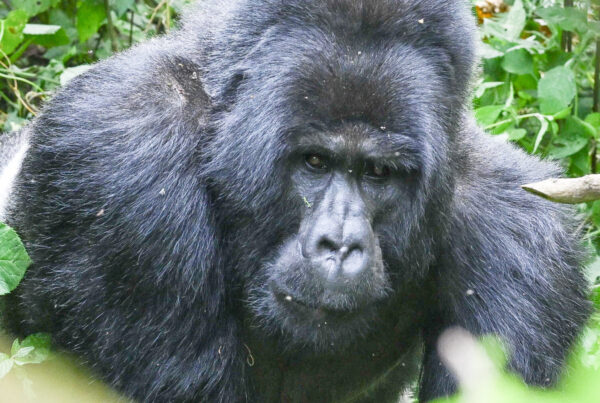
When you stand before a silverback for the first time, all the preparation, all the anxiety, all the physical effort will dissolve into a single present moment of wonder. That moment is what you came for, and it is worth every step, every drop of sweat, every moment of doubt that preceded it. Welcome to the forest. The gorillas are waiting.