Updated
traveller moved to Uganda after gorilla trekking story is one of Africa’s most extraordinary wildlife experiences, connecting travellers with mountain gorillas in their natural forest habitat. The traveller who came to see gorillas and never left Uganda arrived for two weeks in 2018 and is still there. His name is James, he is originally from Manchester, and when I met him last year he was guiding walking safaris in Queen Elizabeth National Park with the fluency in Luganda and the knowledge of East African birds that only years of immersion produces. He did not plan to stay. He just could not find a compelling reason to leave, and over time the reasons to stay multiplied in a way that made the question of returning to Manchester increasingly theoretical.
The Traveller Who Came to See Gorillas and Never Left Uganda
The Original Trip
James had booked a standard two-week Uganda circuit: Kampala, Bwindi for gorillas, Kibale for chimps, Queen Elizabeth for the wildlife. He was thirty-two, between jobs, and had decided that the money he had saved during three years of corporate law was better spent on Africa than on another year of corporate law.
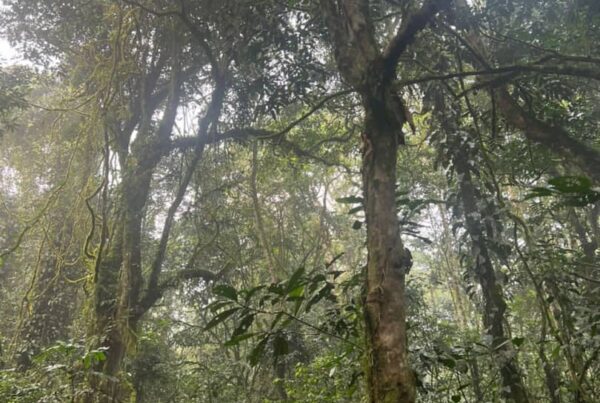
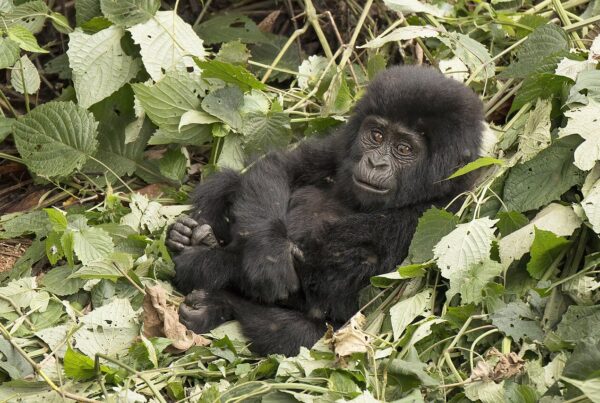
The gorilla trek happened on day four of his trip, at Bwindi’s Buhoma sector. He was assigned to the Mubare family. His guide was David, who had been with the family for eight years. The trek took ninety minutes. The hour with the gorillas produced — James uses his own words here — “the complete collapse of any remaining argument for going back to what I was doing.”
He does not mean this metaphorically. He means that standing three metres from a silverback gorilla in a forest that has been running for millions of years, his entire argument for his previous life — the salary, the career progression, the London flat — simply failed to appear when he reached for it. The argument was gone, replaced by a very clear question: what am I going to do next?
The Decision to Stay
James finished the two-week circuit as planned. He flew home to Manchester, put his things in storage, sublet his flat, and flew back to Uganda within three months. He did not have a plan. He had a sense of direction, which is different, and an understanding that Uganda was where the sense of direction was pointing.
He spent the first six months working as a volunteer for a community conservation organisation near Bwindi, doing the unglamorous work of conservation: data entry, community liaison, infrastructure maintenance. He learned Luganda, partly from necessity and partly because the language was a door into a version of Uganda that was not available to him in English. He made friends. He learned the birds.
Uganda as a Place to Build a Life
The Uganda James describes is different from the Uganda of the tourist brochure, though they overlap. The people — that word that gets used so often in travel writing that it risks losing meaning — are, he insists, the foundation of everything. “The warmth is not performed,” he says. “It is not for the tourists. It is just how people are here. You notice it most when you stop being a tourist.”
The work is also different from what he expected. Conservation in Uganda is not the clean, photogenic business of gorilla encounters. It is politics and community economics and land management and funding cycles and the long, patient work of building relationships between human needs and wildlife needs in places where both are legitimate and both are under pressure.
James finds this work more interesting than corporate law, which is not a high bar, but he also finds it more important, which is a higher one. “Every day has something in it that is actually real,” he says. “I did not have that before.”
The Life He Has Built
He lives now in Kasese, near the base of the Rwenzori Mountains, with a Ugandan partner named Florence and a daughter who is two years old and has already been introduced to the mountain gorillas via a family trek that James describes as “the best day of my life, including all other best days.” He guides walking safaris in Queen Elizabeth three months of the year and does conservation and community work for the rest. He has been back to Manchester twice in seven years, both times for events that required his presence, both times with the specific restlessness of someone who has found their place and has been temporarily removed from it.
His Manchester friends describe him as changed in ways they cannot fully articulate. “More present” is the phrase that comes up most often. James would say this is because presence is a habit, and he has spent seven years practising it in environments that make the alternative very difficult.
What He Says to People Considering Uganda
James is not evangelical in the way of the converted. He does not tell people they should move to Uganda, or that what happened to him will happen to them, or that the corporate life they are living is not valid. He simply describes what the gorilla encounter did to him in a way that is honest and specific, and lets people do what they will with that information.
What he does say, consistently, is this: “Go. See the gorillas. See what happens. The gorillas will do what they do. What happens after is your own business.”
The Gorillas as a Starting Point
The gorilla trek was, in James’s account, a starting point rather than a destination. The hour with the Mubare family did not give him Uganda — it gave him a question clear enough to act on. Uganda gave him everything else, across seven years of daily presence and accumulated belonging.
Not everyone who sees the gorillas will stay in Uganda. Not everyone should. But the question the gorilla encounter poses — the question about what genuinely matters and whether you are doing it — is one that most people who go to Bwindi find themselves carrying home. What they do with it afterward is the rest of the story.
Planning Your Visit
A Uganda gorilla trekking permit costs $800. A standard two-week Uganda circuit costs significantly more, and is worth every cent. Uganda Gorilla Trekking can help plan a complete itinerary that goes beyond the gorilla trek to show you the country that made James stay.
Contact Uganda Gorilla Trekking to start planning. Come for two weeks. Stay for as long as the reasons to leave keep failing to appear.